At Glowskinhub.com, we believe beauty isn’t just a look—it’s a feeling

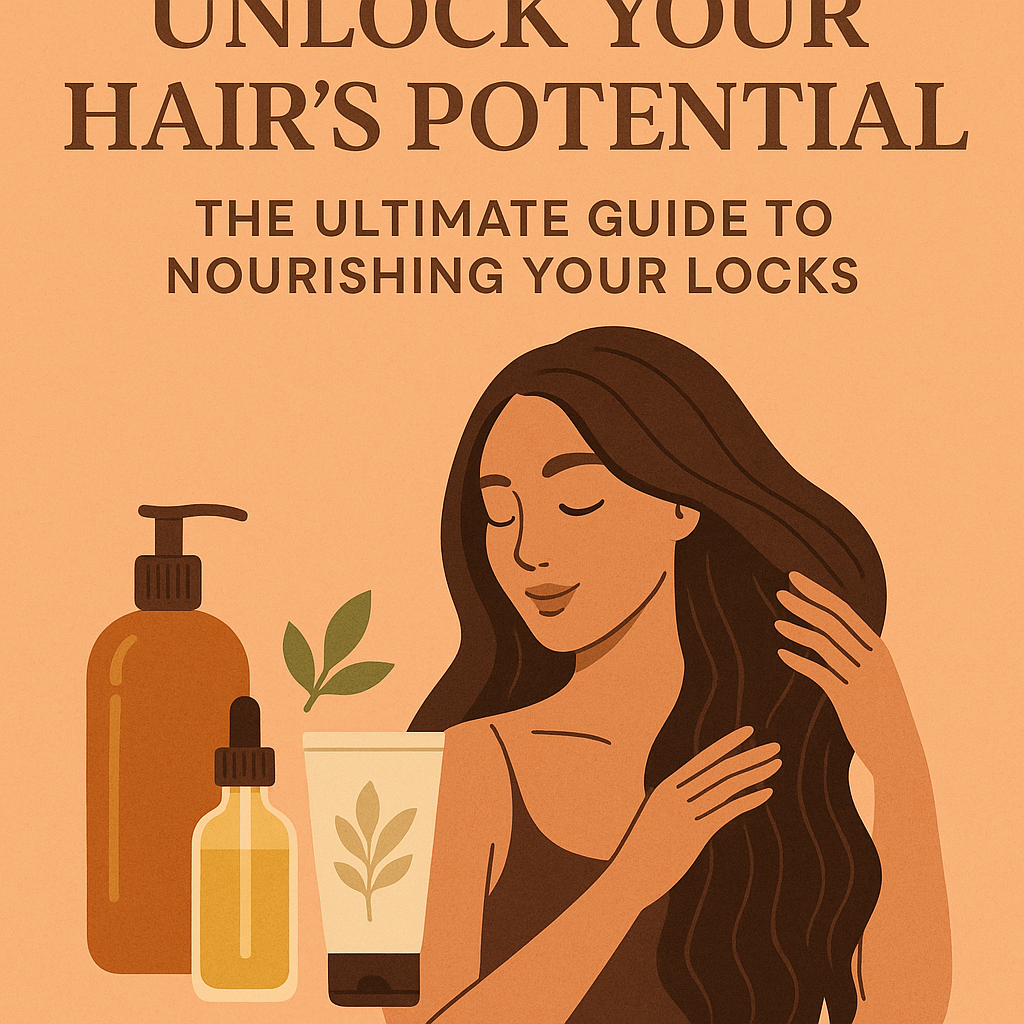
Unlock Your Hair’s Potential: The Ultimate Guide to Nourishing Your Locks

Hair is often seen as a crowning glory, a symbol of Beauty and health. However, many people struggle with dull, lifeless, or damaged hair. The solution lies in a comprehensive approach to Hair Care, focusing on nourishment and tailored treatment strategies. This ultimate guide will help you unlock your hair’s potential so that your locks can shine.
Understanding Hair Structure
Before diving into nourishing practices, it’s essential to understand the basic structure of hair. Hair consists primarily of a protein called keratin, which forms a protective outer layer called the cuticle. Beneath the cuticle lies the cortex, where the hair’s color and texture are determined. The innermost layer, the medulla, is present in thicker hairs, providing additional strength.
Damage can occur at various levels of this structure. Factors such as heat styling, environmental damage, and poor nutrition can lead to weakened hair. Understanding these components can guide you in choosing the right products and methods to nourish your hair.
The Role of Nutrition in Hair Health
The health of your hair mirrors your overall health. To nourish your locks from the inside out, prioritize:
1. Hydration
Water is vital for maintaining hair’s moisture and elasticity. Dehydration can make hair appear dry and brittle. Aim for 8 glasses of water a day and consider adding foods with high water content, such as cucumbers and watermelon, to your diet.
2. Vitamins and Minerals
- Biotin: This B-vitamin is crucial for hair growth and strength. Foods rich in biotin include eggs, nuts, and avocados.
- Vitamin E: It supports circulation to the scalp and has antioxidant properties. Include almonds, spinach, and sunflower seeds in your diet.
- Iron: A deficiency can lead to hair loss. Sources include red meat, beans, and leafy greens.
- Omega-3 Fatty Acids: Found in fish, chia seeds, and walnuts, they nourish hair follicles and prevent dryness.
3. Protein
Since hair is made of protein, it’s essential to consume adequate amounts. Incorporate lean meats, legumes, dairy, and tofu into your meals to ensure you’re getting enough protein.
4. Zinc
This mineral plays a vital role in hair tissue growth and repair. Sources include nuts, whole grains, and shellfish.
Effective Hair Care Practices
In addition to a balanced diet, proper Hair Care can significantly impact its appearance and health. Here are some practices to consider:
1. Gentle Washing
Use sulfate-free shampoos to avoid stripping the hair of its natural oils. Depending on your hair type, washing 2-3 times a week may be sufficient. Always follow with a conditioner to maintain moisture.
2. Regular Conditioning
Conditioning helps seal in moisture and reduces frizz. Deep conditioning treatments can be done weekly to replenish lost hydration. Look for products with natural oils, such as argan or coconut oil.
3. Heat Protection
Reduce heat exposure by allowing your hair to air-dry whenever possible. If you must use styling tools, apply a heat protectant spray to minimize damage.
4. Avoiding Tight Hairstyles
Tight ponytails or braids can lead to traction alopecia. Opt for looser styles and give your hair a break from styling tools.
5. Trimming Regularly
Trimming every six to eight weeks helps remove split ends and keeps your hair looking healthy.
Natural Treatments for Hair Nourishment
Many natural remedies can bring life back to your locks:
1. Essential Oils
- Rosemary Oil: Promotes hair growth and circulation.
- Lavender Oil: Known for its calming effects, it also supports hair growth.
Mix a few drops of essential oil with a carrier oil, like jojoba or coconut oil, and massage it into your scalp.
2. Hair Masks
Consider creating homemade masks to treat your locks:
- Avocado Mask: Mash an avocado and mix with an egg, applying it to your hair for 30 minutes before rinsing.
- Honey and Olive Oil: A nourishing blend that hydrates and adds shine.
3. Aloe Vera
This plant is known for its soothing properties. Apply aloe vera gel directly to your scalp and hair for added moisture and to reduce dandruff.
Protecting Your Hair From Environmental Factors
Your hair faces daily challenges from the environment. To protect it:
1. Sun Protection
UV rays can fade color and dry out hair. Wear a hat or use hair products that contain SPF when outdoors.
2. Avoid Chlorine Damage
Chlorine can weaken hair. Rinse your hair before swimming and consider wearing a swim cap.
3. Humidity and Pollution
These factors can lead to frizz and buildup. Use clarifying shampoos periodically to remove product buildup and consider anti-frizz products.
The Importance of Scalp Care
A healthy scalp is crucial for healthy hair growth. Focus on:
1. Exfoliation
Gently exfoliate your scalp to remove dead Skin cells and product buildup. You can create a homemade scrub using sugar and olive oil.
2. Scalp Massages
Massaging your scalp can stimulate blood flow to the hair follicles, promoting growth. Use your fingertips to massage in circular motions for a few minutes a day.
3. Balanced pH
Opt for pH-balanced shampoos and conditioners to maintain scalp health. Avoid over-shampooing, which can dry out the scalp.
Conclusion
Unlocking your hair’s potential requires a combination of proper nutrition, effective Hair Care practices, natural treatments, and attention to environmental factors. By incorporating these strategies into your routine, you can transform dull, lifeless hair into vibrant, healthy locks. Remember that consistency is key; your hair will flourish with the right care over time.
FAQs
Q: How often should I wash my hair?
A: It depends on your hair type. For most people, washing 2-3 times a week is ideal, but those with oily hair may need to wash more frequently.
Q: Can I use essential oils directly on my hair?
A: No, always dilute essential oils with a carrier oil before applying them to your hair or scalp.
Q: Are there any foods that can cause hair loss?
A: Diets high in processed sugars and unhealthy fats can affect hair health. A balanced diet is essential for maintaining healthy hair.
Q: How can I maintain my hair color?
A: Use sulfate-free shampoos, minimize sun exposure, and consider color-safe hair products to preserve your hair color.
Q: Can stress affect my hair?
A: Yes, stress can lead to hair loss and other hair issues. Incorporate relaxation techniques such as yoga and meditation to manage stress levels.
By following these guidelines, you’ll not only enhance the appearance of your hair but also promote its overall health and vitality. Your hair is an extension of your identity—make sure it reflects the absolute best of you!