At Glowskinhub.com, we believe beauty isn’t just a look—it’s a feeling

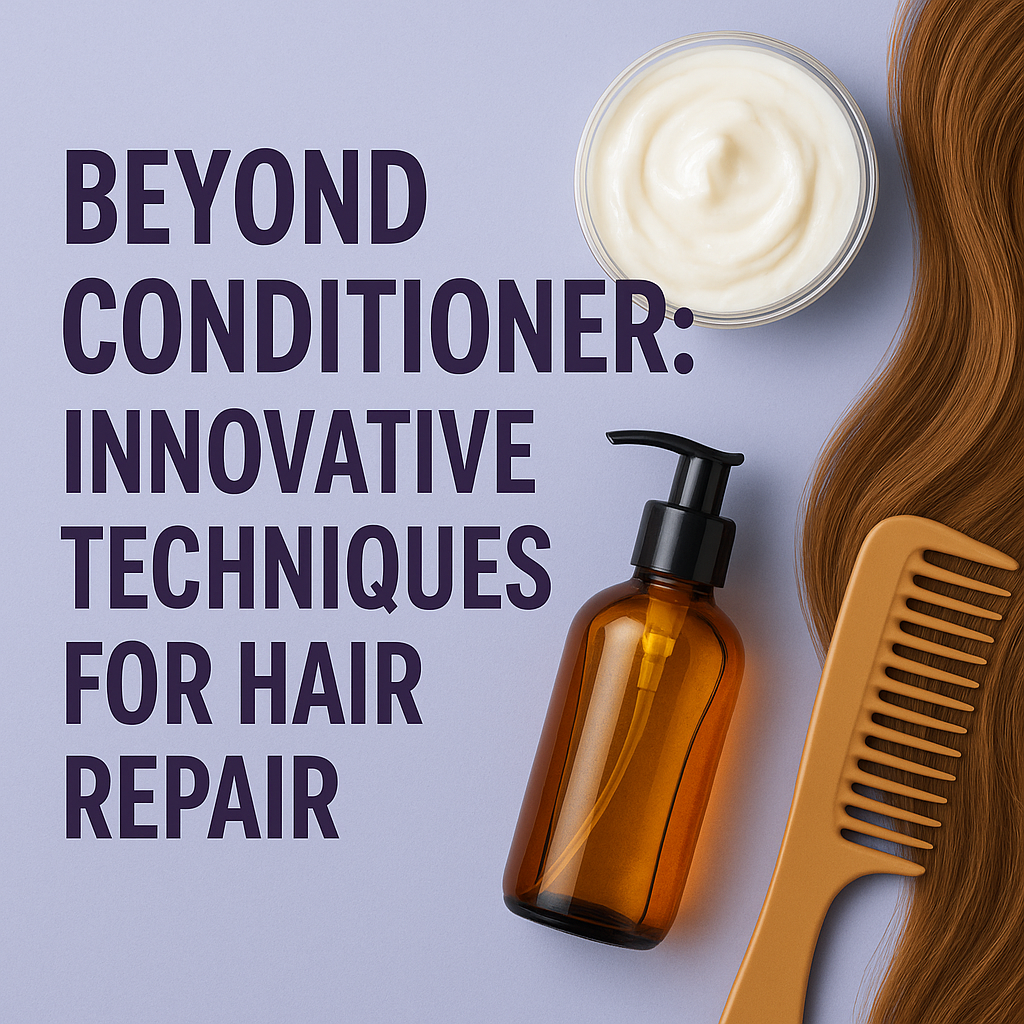
Beyond Conditioner: Innovative Techniques for Hair Repair

In the pursuit of luscious locks, many have relied on traditional conditioners to nourish and detangle their hair. However, the evolving landscape of Hair Care has introduced innovative techniques that go beyond the use of conventional conditioners. These methods not only improve hair texture and manageability but also focus on repairing and rejuvenating damaged strands from the inside out. This article explores various techniques for hair repair, their benefits, and tips for achieving the healthiest hair possible.
Understanding Hair Damage
Before delving into innovative hair repair techniques, it’s important to understand the types of hair damage:
-
Chemical Damage: Caused by coloring, perming, or relaxing treatments. Chemicals can weaken the protein structure of hair, making it brittle and prone to breakage.
-
Mechanical Damage: Results from excessive brushing, heat styling, and tight hairstyles that physically strain the hair shaft.
-
Environmental Damage: Factors like UV rays, pollution, and humidity can strip the hair of moisture, leading to dryness and frizz.
-
Thermal Damage: The extensive use of heat styling tools alters hair’s moisture content and structure, resulting in split ends and dullness.
Innovative Techniques for hair repair
1. Hair Masks and Deep Conditioning Treatments
While traditional conditioners provide surface-level moisture, hair masks and deep conditioning treatments penetrate deeper layers of the hair. Look for products containing:
-
Protein: Essential for rebuilding and strengthening the hair structure. Hydrolyzed keratin, silk, or wheat proteins are popular choices.
-
Natural Oils: Ingredients like argan oil, coconut oil, and jojoba oil seal in moisture and add shine.
To maximize effectiveness, apply hair masks once a week and leave them on for at least 30 minutes, or overnight for maximum hydration.
2. Scalp Treatments
Healthy hair begins with a healthy scalp. Scalp treatments can help unclog hair follicles, improve circulation, and create an optimal environment for hair growth. Consider these methods:
-
Exfoliating Scrubs: Use gentle exfoliating scrubs made of natural ingredients like sugar or coffee grounds to remove product buildup.
-
Essential Oils: Oils such as rosemary, peppermint, and tea tree have properties that stimulate circulation and promote a healthier scalp.
3. The “Water Only” Method
For those interested in a more natural approach, the “water-only” method avoids shampoos and commercial conditioners. This technique involves:
-
Rinsing with Water: Instead of using harsh cleansers, users simply rinse hair with water and may occasionally use apple cider vinegar for balancing pH levels and enhancing shine.
-
Natural Oils for Conditioning: Users can apply light oils directly on the hair for hydration, promoting a healthier look without the effects of synthetic chemicals.
4. Leave-in Conditioners and Serums
Leave-in conditioners are formulated to provide extended hydration throughout the day. Look for lightweight products that:
-
Contain Humectants: Such as glycerin or aloe vera that attract moisture to the hair.
-
Include UV Filters: Protect hair from sun damage.
Serums can also help combat frizz and add shine, with silicones and natural oils as key ingredients.
5. Heat Styling Tools with Advanced Technology
If you can’t resist heat styling, invest in high-quality tools that minimize damage:
-
Ionic Technology: These tools emit negative ions that help to close the hair cuticle, retaining moisture and reducing frizz.
-
Infrared Technology: This heats the hair from the inside out, reducing surface damage and promoting healthier styling.
6. Holistic Approaches
Take a holistic approach to hair health by considering diet and lifestyle changes:
-
Nutrition: Consuming a balanced diet rich in vitamins A, C, D, and E, along with omega-3 fatty acids, can promote hair strength and growth.
-
Hydration: Drinking adequate water aids in maintaining moisture from the inside out.
-
Stress Management: Practices such as meditation, yoga, or regular exercise can reduce stress, which is known to contribute to hair loss.
7. Professional Treatments
For those with severely damaged hair, professional treatments may offer the best solutions:
-
Keratin Treatments: Help to smooth and repair damaged strands, but they may contain chemicals.
-
Bond Builders: Products like Olaplex create and restore the disulfide bonds in the hair that are often broken during chemical or thermal treatments.
-
Hair Transplants and PRP: For extreme hair loss or thinning, consulting a healthcare professional for advanced treatments can be beneficial.
Conclusion
Innovative hair repair techniques extend far beyond traditional conditioning methods. By understanding the nature of hair damage and integrating various approaches—from hair masks to holistic health practices—individuals can achieve stronger, healthier, and more beautiful hair. Remember that consistency is key in any Hair Care routine.
FAQs
1. How often should I use a hair mask?
It is generally recommended to use a hair mask once a week for optimal results. However, individuals with extremely dry or damaged hair might benefit from more frequent treatments.
2. What ingredients should I look for in a leave-in conditioner?
Look for lightweight humectants like glycerin, aloe vera, and natural oils that promote hydration without weighing the hair down. UV filters are also beneficial for sun protection.
3. Is the “water-only” method effective for everyone?
The “water-only” method can be effective for some people, especially those with low porosity hair. However, others may find the need for gentle cleansing to avoid buildup.
4. Can diet really impact hair health?
Yes, hair health is closely linked to overall nutrition. A balanced diet rich in vitamins and minerals contributes to stronger, healthier hair.
5. Are professional treatments worth the investment?
For severely damaged hair, professional treatments can produce significant improvements. It’s important to consult with a Hair Care professional to find the right treatment tailored to your hair’s needs.