At Glowskinhub.com, we believe beauty isn’t just a look—it’s a feeling

The Science of Skincare: How to Choose Products That Work

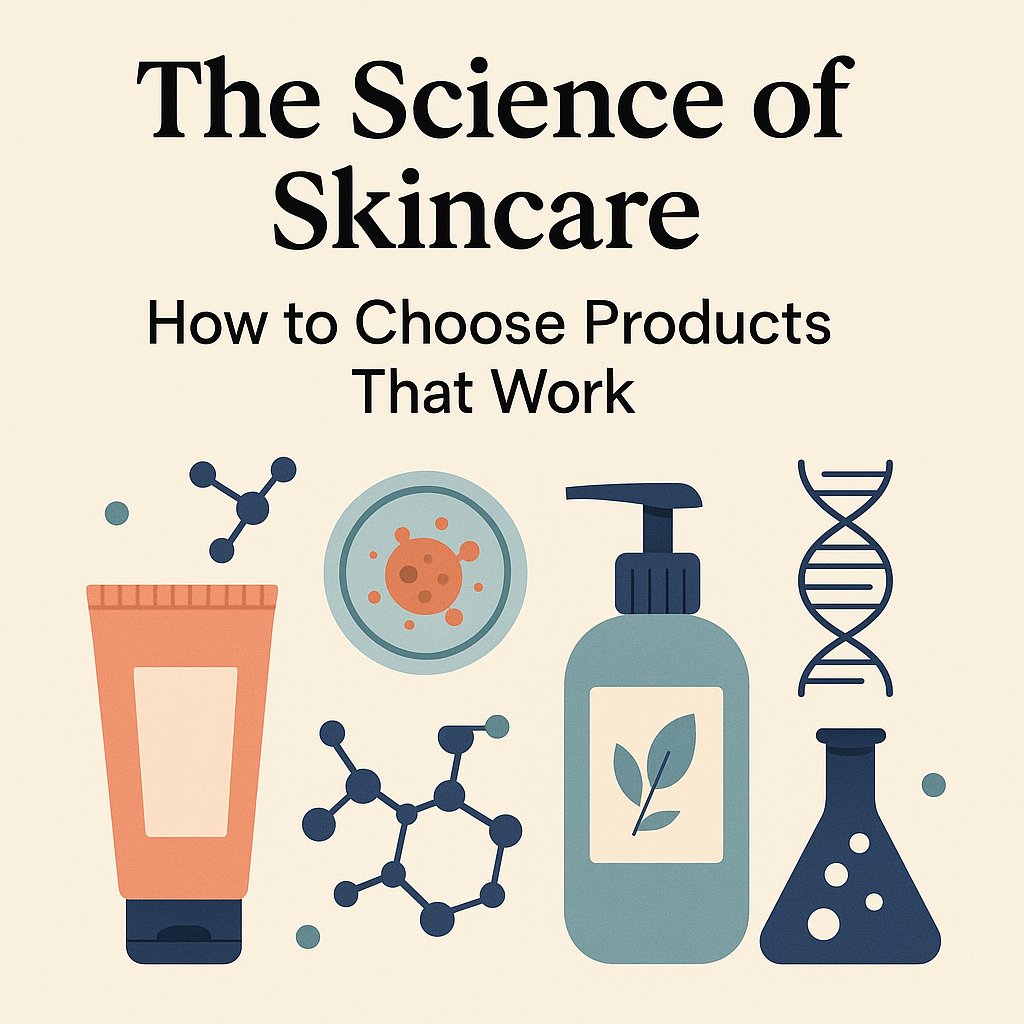
In a world inundated with Beauty products and advertising, understanding the science of skincare has never been more critical. Choosing the right skincare products involves a scientific approach, considering individual Skin types, conditions, and ingredients. This article aims to demystify skincare, help you navigate the market, and ultimately choose products that genuinely work for you.
Understanding Skin Types
The foundation of effective skincare is understanding your Skin type. Generally, Skin can be classified into five primary categories:
-
Normal Skin: Features a balanced complexion—neither too oily nor too dry.
-
Dry Skin: Characterized by flakiness, tightness, and dullness due to lack of moisture.
-
Oily Skin: Often shines due to excess sebum production, may be prone to acne and enlarged pores.
-
Combination Skin: A blend of oily and dry areas, typically with an oily T-zone and dry cheeks.
-
Sensitive Skin: Easily irritated and reactive, often showing red patches or rashes.
To find your Skin type, take note of how it reacts under different conditions, especially after cleansing or during varying weather.
Ingredient Awareness
Once you understand your Skin type, it’s time to delve into product ingredients. Ingredients can make or break the effectiveness of skincare products. Here are some key components to look for:
1. Moisturizers
- Hyaluronic Acid: This humectant can hold up to 1,000 times its weight in water, making it a powerhouse for hydration.
- Glycerin: Another effective humectant that draws moisture to the Skin.
- Ceramides: These lipids restore the Skin barrier, essential for dry or sensitive Skin.
2. Exfoliants
- AHAs (Alpha Hydroxy Acids): Effective for dry or sun-damaged Skin. They help in shedding dead Skin cells and promoting new cell growth.
- BHAs (Beta Hydroxy Acids): Ideal for oily or acne-prone Skin, as they penetrate deeper into the pores to help clear them.
3. Anti-Aging Ingredients
- Retinoids: Stimulate collagen production and increase cell turnover for smoother, younger-looking Skin.
- Vitamin C: An antioxidant that brightens the complexion, reduces uneven pigmentation, and helps to protect against free radicals.
4. sunscreen
- Zinc Oxide & Titanium Dioxide: Physical sunscreens that reflect UVA and UVB rays are crucial for daily sun protection.
- Chemical Filters: Ingredients like avobenzone and octisalate absorb UV radiation.
5. Acne Treatments
- Benzoyl Peroxide: Kills acne-causing bacteria.
- Salicylic Acid: Helps clear pores and reduce inflammation.
It’s crucial to research the products you’re considering and ascertain whether the active ingredients align with your Skin needs.
The Importance of pH Balance
Another scientific aspect of skincare is pH balance. Your Skin has a natural pH of around 4.5 to 5.5, making it slightly acidic. Products that disrupt this balance can lead to irritation and other Skin issues.
- Cleansers: Opt for pH-balanced cleansers to maintain your Skin’s natural barrier.
- Toners: Ensure they are alcohol-free and designed to restore pH.
Patch Testing
Before introducing new products to your routine, conduct a patch test. Apply a small amount of the product on a discreet Skin area, like your wrist or behind your ear. Wait 24 to 48 hours to check for any adverse reactions. This step is essential for sensitive Skin types or when trying potent active ingredients.
Layering Products
Understanding the order in which to apply your products can significantly impact their effectiveness:
- Cleanser: Start clean.
- Toner: Prepare the Skin for better absorption.
- Serum: Deliver active ingredients deep into the Skin.
- moisturizer: Lock in hydration.
- sunscreen: The final protective layer during the day.
Night routines may vary slightly, where you can incorporate retinoids or exfoliating acids.
Considering Lifestyle Factors
Remember that skincare does not exist in a vacuum. Lifestyle factors such as diet, hydration, stress levels, and sleep also play crucial roles in your Skin’s appearance and health.
- Nutrition: A diet rich in vitamins, omega fatty acids, and antioxidants can support your Skin.
- Hydration: Water intake influences Skin moisture levels.
- Stress Management: Chronic stress can exacerbate Skin conditions like acne and eczema.
- Sleep: Quality rest allows for Skin regeneration.
The Role of Professional Help
Sometimes, despite our best efforts, we may not achieve the desired results. Consulting a dermatologist, esthetician, or skincare professional can offer tailored advice and treatment plans, especially for persistent issues like severe acne, rosacea, or anti-aging concerns.
Frequently Asked Questions (FAQs)
1. How often should I change my skincare products?
Your Skin can adapt to products, so it’s generally recommended to switch up your routine every 6-12 months. However, if you start noticing irritation or lack of results, it may be time for a change sooner.
2. Can I mix products from different brands?
Yes, but ensure that the active ingredients in different products do not conflict. For instance, combining retinoids and AHAs can lead to excessive irritation for some.
3. What’s the difference between a Serum and a moisturizer?
Serums contain a higher concentration of active ingredients targeting specific issues, whereas moisturizers focus on hydration and nourishment.
4. Is natural skincare better than synthetic?
“Natural” doesn’t always equate to safer or more effective. Both natural and synthetic ingredients can be beneficial or harmful; what matters most is the individual’s Skin needs and conditions.
5. How long does it take to see results from new products?
Patience is key—most skincare products require consistent use for at least 4-6 weeks to see noticeable results. However, some products, like exfoliants, may show quicker results.
By embracing the science behind skincare and taking a thoughtful approach, you can make informed decisions that lead to healthier, more radiant Skin. Happy skincare!