At Glowskinhub.com, we believe beauty isn’t just a look—it’s a feeling

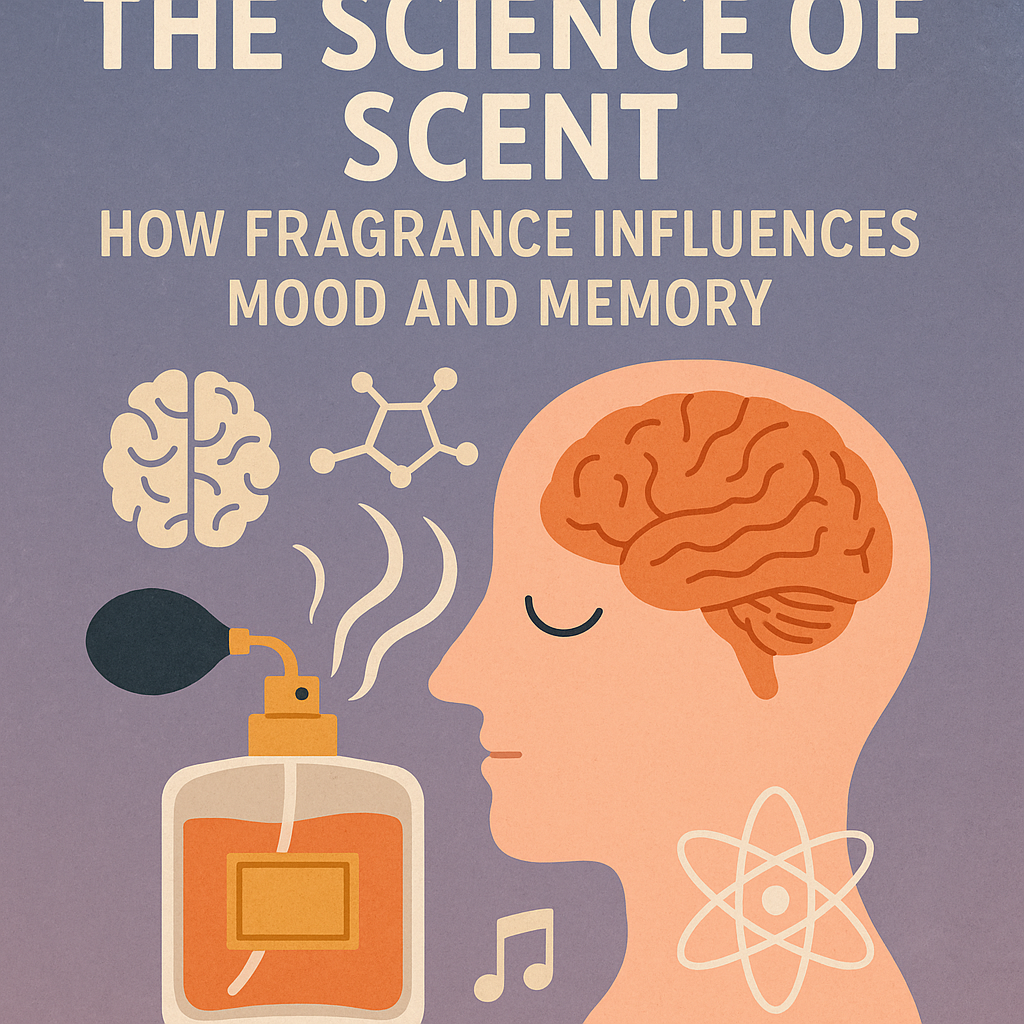
The Science of Scent: How Fragrance Influences Mood and Memory

In a world where visual and auditory stimuli often dominate our attention, the subtle power of scent often goes unnoticed. Yet, Fragrance has an extraordinary ability to stir emotions, evoke memories, and even influence our psychological states. This article delves into the science of scent, unpacking how it affects mood and memory, backed by research and real-world applications.
The Basics of Olfaction
Olfaction, or the sense of smell, is one of the oldest and most primal of our senses. When we perceive a Fragrance, molecules in the air bind to olfactory receptors housed in the nasal cavity. These receptors are then activated and send signals to the olfactory bulb in the brain. From there, information is relayed to various regions, including the limbic system, which governs emotions and memory.
Interestingly, the pathways for scent processing are different from those for sight and sound. This unique direct access to the limbic system explains why fragrances can elicit immediate emotional responses or vivid memories. Imagine catching a whiff of vanilla and instantly recalling a childhood kitchen, or a floral scent transporting you back to a significant moment in your life.
Fragrance and Mood
The connection between Fragrance and mood has been explored in numerous studies. Various scents can have different psychological effects. Here are a few noteworthy examples:
-
Lavender: Known for its calming properties, lavender is often used in Aromatherapy to reduce stress and anxiety. Research has shown that inhaling lavender scent can lower heart rates and promote relaxation.
-
Citrus Scents: Scents like lemon and orange are often associated with freshness and energy. Studies have indicated that citrus scents can enhance mood, reduce stress, and even improve cognitive performance.
-
Vanilla: This warm scent is not only comforting but has also been shown to evoke feelings of happiness and relaxation. It’s often used in products designed to create a welcoming atmosphere, such as candles and air fresheners.
-
Peppermint: This invigorating scent is linked to increased alertness and cognitive performance. Research suggests that the scent of peppermint can help enhance memory retention and boost concentration.
The physiological benefits of these scents underscore their role not only in personal care and well-being but also in making environments — whether at home, work, or retail spaces — more pleasant and productive.
Scent and Memory
Perhaps one of the most fascinating aspects of scent is its profound connection to memory. The phenomenon of “odor-evoked autobiographical memory” describes how certain scents can trigger vivid and emotional recollections. This connection is so strong that it’s often referred to as “Proustian memory,” named after Marcel Proust, whose literary works famously highlighted the power of scent in recalling the past.
When fragrances are inhaled, they are processed through the olfactory bulb and sent to regions of the brain that handle memories, particularly the hippocampus and amygdala. Consequently, smells can serve as potent cues for recalling specific experiences. A study published in “Cognitive Processing” found that participants could recall more details about a past event when a unique scent was presented alongside their recollections.
Practical Applications of Scent in Daily Life
The powerful influence of scent on mood and memory is not just theoretical; it has practical applications in various fields:
1. Aromatherapy
Aromatherapy utilizes essential oils derived from plants to promote well-being and enhance mood. Whether through diffusers, bath oils, or Skin application, these scents are believed to influence emotional states and physical well-being.
2. Marketing and Retail
Businesses increasingly recognize the impact of scent on consumer behavior. Retail spaces often use signature fragrances to create a specific atmosphere that encourages customers to linger and buy. Research indicates that a pleasant scent can enhance product evaluations and boost sales.
3. Therapeutic Settings
In healthcare, fragrances like lavender and chamomile are commonly used to create calming environments, particularly in places like hospitals and clinics. The right scent can help reduce anxiety in patients and improve overall experiences for both patients and caregivers.
4. Memory Care
In settings for individuals with dementia or Alzheimer’s, scented cues can help trigger memories and stimulate emotional responses. Caregivers often use familiar scents like baking bread or specific perfumes to evoke warmth and nostalgia.
Personalizing Your Scent Experience
Understanding the science behind scent can empower you to harness its benefits. Here are some tips for incorporating fragrances into your daily life:
-
Choose Scents Wisely: Experiment with various scents to identify those that resonate with you emotionally and help improve your mental state.
-
Create a Scent Ritual: Whether through candles, incense, or essential oil diffusers, cultivate moments where you can engage with your chosen fragrances thoughtfully.
-
Emphasize Environment: Consider how the optimal scent persona can enhance various environments, from your home office to your bedroom, influencing productivity and relaxation.
FAQs
1. How does Fragrance affect mental health?
Fragrances can significantly improve mental health by reducing anxiety and stress levels. The use of calming scents such as lavender can promote relaxation and emotional balance.
2. Can scents really trigger memories?
Yes, scents can evoke strong emotional memories due to their direct connection with the brain’s limbic system, which is responsible for emotions and memory storage.
3. How do different scents affect different people?
Individual reactions to scents vary based on personal experiences, cultural influences, and even genetic predispositions. What may evoke a positive memory for one person could be unpleasant for another.
4. Is there scientific evidence to support the use of Aromatherapy?
Yes, several studies support the efficacy of Aromatherapy in improving mood and alleviating stress. However, the degree of effectiveness can vary between individuals.
5. How can I incorporate scent into my daily routine?
You can incorporate scent through natural options like candles or essential oils, or through scented lotions and bath products. Creating scent rituals can enhance your overall well-being.
6. Are there any scents that can improve focus and concentration?
Certain scents like peppermint and citrus have been shown to boost cognitive performance and enhance focus, making them ideal for study or work environments.
Conclusion
As we continue to unravel the complexities of human behavior, the science of scent emerges as a profound reminder of the power our senses hold. The intricate connection between Fragrance, mood, and memory illuminates pathways toward harnessing scent for well-being, productivity, and emotional health. Whether you’re seeking to improve your own environment or understand a loved one better, the potential of scent serves as a captivating avenue for improvement.