At Glowskinhub.com, we believe beauty isn’t just a look—it’s a feeling

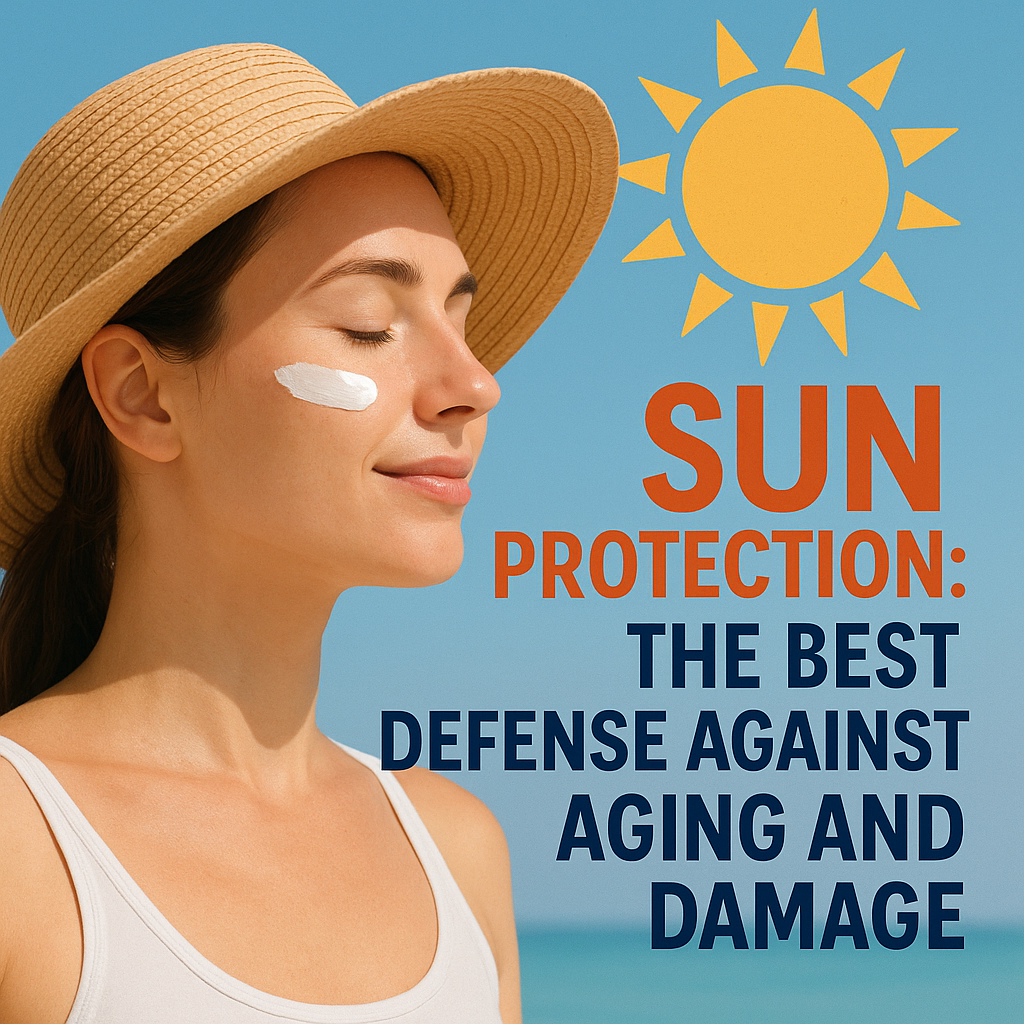
Sun Protection: The Best Defense Against Aging and Damage

As the sun rises each day, it brings light, warmth, and life to our planet. However, alongside these benefits, it also poses a significant threat to our Skin. With the increasing incidence of Skin cancers and premature aging caused by sun exposure, understanding the importance of sun protection is crucial. This article will explore the various aspects of sun protection, its impact on aging and Skin damage, and how we can effectively shield ourselves from harmful UV rays.
The Science Behind UV Radiation
Ultraviolet (UV) radiation is a form of electromagnetic radiation that reaches the Earth from the sun. There are three types of UV radiation: UVA, UVB, and UVC.
-
UVA rays penetrate the Skin more deeply and are primarily responsible for premature aging and wrinkles. They can penetrate windows and affect the Skin even on cloudy days.
-
UVB rays are responsible for sunburn and played a role in the development of Skin cancer. They are more intense during the summer months and can’t penetrate glass.
-
UVC rays are the most harmful but are absorbed by the Earth’s atmosphere and do not reach our Skin under normal conditions.
Understanding these layers of UV radiation is key to selecting effective sun protection methods.
The Effects of Sun Exposure on Skin
Unprotected sun exposure can lead to a multitude of Skin issues:
-
Premature Aging: Sun exposure accelerates the breakdown of collagen and elastin, leading to wrinkles, sagging, and a leathery texture. This aging process is often referred to as “photoaging.”
-
Hyperpigmentation: Sun exposure can cause uneven Skin tone, leading to dark spots, freckles, and other pigmentation issues.
-
Skin Cancer: Prolonged and unprotected exposure to UV radiation significantly increases the risk of developing various forms of Skin cancer, including melanoma, basal cell carcinoma, and squamous cell carcinoma.
-
Sunburn: Acute reactions, or sunburns, can cause painful inflammation and peeling of the Skin.
-
Immune Suppression: UV radiation can suppress the local immune response in the Skin, making it more vulnerable to infections and reducing its ability to repair itself.
Strategies for Effective Sun Protection
Given the harmful effects of UV radiation, implementing an effective sun protection strategy is essential. Here are several methods to consider:
1. sunscreen
-
Broad-Spectrum Protection: Choose a broad-spectrum sunscreen that protects against both UVA and UVB rays. Look for a Sun Protection Factor (SPF) of at least 30.
-
Water Resistance: If you plan to swim or sweat, opt for a water-resistant formula that lasts for at least 40 or 80 minutes.
-
Reapplication: sunscreen should be reapplied every two hours and immediately after sweating or swimming. Don’t forget areas often overlooked, such as your ears, neck, and the tops of your feet.
2. Protective Clothing
Wearing protective clothing can significantly reduce UV exposure:
-
Long-Sleeved Shirts and Pants: Opt for lightweight, long-sleeved shirts and full-length pants made from tightly-woven fabric.
-
Hats: A wide-brimmed hat (at least 3 inches) can shield your face, ears, and neck.
-
Sunglasses: Look for sunglasses that block 100% of UVA and UVB rays to protect your eyes and the surrounding Skin.
3. Seek Shade
Whenever possible, seek shade during peak sunlight hours (10 a.m. to 4 p.m.), when UV rays are most intense. Use umbrellas, trees, or other structures to minimize direct exposure.
4. Self-Examination and Regular Check-ups
Regular self-examinations of your Skin for new moles or changes to existing ones can help in early detection of Skin cancer. Additionally, schedule annual visits with a dermatologist for professional Skin examinations.
5. Diet and Hydration
A diet rich in antioxidants can help combat Skin damage from UV exposure. Foods high in vitamins C and E, such as fruits, vegetables, nuts, and seeds, can aid in Skin health. Additionally, staying hydrated helps maintain the Skin’s elasticity and moisture.
The Importance of Consistency
Sun protection should be a daily habit, not just something to consider during summer months or beach vacations. UV rays can damage Skin year-round, regardless of weather conditions. Incorporating sun protection into your daily skincare routine is essential.
Conclusion
Sun protection is undoubtedly the best defense against Skin aging and damage. By taking proactive steps—such as applying broad-spectrum sunscreen, wearing protective clothing, seeking shade, and maintaining a healthy lifestyle—you can minimize your risk of Skin issues and maintain youthful, healthy Skin for years to come.
FAQs about Sun Protection
1. What does SPF mean?
SPF (Sun Protection Factor) measures how much UVB radiation is needed to cause sunburn on protected Skin compared to unprotected Skin. For example, if you use SPF 30, it means you can theoretically stay in the sun 30 times longer without burning than if you were not wearing sunscreen.
2. Is sunscreen enough to protect my Skin?
While sunscreen is crucial for protection, it is not enough on its own. Combining sunscreen with protective clothing, seeking shade, and avoiding midday sun exposure will provide the best defense against UV damage.
3. How often should I apply sunscreen?
sunscreen should be applied generously every two hours, or more often if you’re swimming or sweating. Always follow the manufacturer’s instructions for best results.
4. Can I skip sunscreen on cloudy days?
No, UV rays can penetrate through clouds, meaning your Skin is still at risk of damage on overcast days. Always apply sunscreen regardless of the weather.
5. Are there any side effects to using sunscreen?
Most sunscreens are safe for daily use. However, some individuals may experience allergic reactions or irritation. It’s best to conduct a patch test with new products, especially if you have sensitive Skin. If irritation occurs, consult a dermatologist for suitable alternatives.
Taking these proactive steps toward sun protection is vital for maintaining not only your Skin’s appearance but also its overall health. Embrace sun-safe habits and enjoy the outdoors with confidence.