At Glowskinhub.com, we believe beauty isn’t just a look—it’s a feeling

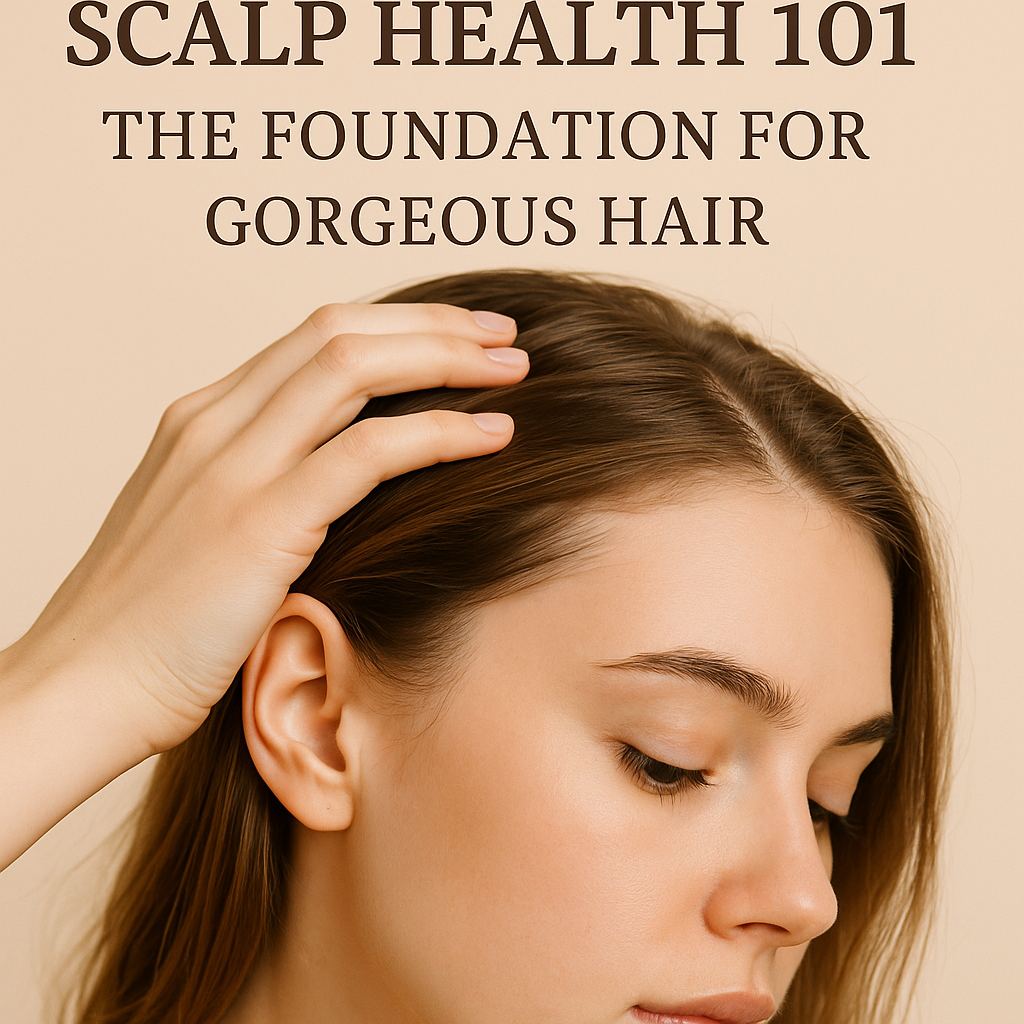
Scalp Health 101: The Foundation for Gorgeous Hair

When it comes to luscious, healthy hair, most people focus on the strands, applying the latest shampoos, conditioners, and styling products to achieve that desired shine. However, the cornerstone of beautiful hair actually starts below the surface—on the scalp. Scalp health is essential for maintaining strong, vibrant hair. In this article, we’ll explore the importance of scalp health, how it influences hair growth and quality, and tips for maintaining a healthy scalp.
Understanding the Scalp
The scalp is the Skin-covered area on the top of your head that contains a wealth of hair follicles. It plays a vital role in hair growth, housing the roots from which your hair emerges. However, the scalp is easily neglected, leading to numerous problems that can affect not only your hair but also your overall health.
Common Scalp Issues
-
Dandruff: A common condition characterized by flaking Skin, dandruff can be exacerbated by dry Skin, sensitive Skin, or conditions like eczema or psoriasis. It can lead to itching and discomfort.
-
Seborrheic Dermatitis: This chronic form of dermatitis can cause red patches and stubborn scales on the scalp. It’s often aggravated by stress, hormonal changes, or oily Skin.
-
Folliculitis: Inflammation of the hair follicles, often caused by bacteria or fungi, can lead to red bumps, irritation, and even hair loss.
-
Scalp Psoriasis: A more severe Skin condition, scalp psoriasis causes thick, red patches covered with white scales and can be itchy or painful.
-
Alopecia: This refers to hair loss that can be sudden (alopecia areata) or gradual (androgenetic alopecia). Scalp health significantly impacts hair vitality and shedding.
The Importance of a Healthy Scalp
A healthy scalp supports optimal hair growth and longevity. Just as the soil must be fertile for plants to thrive, your scalp needs to be nourished and well-maintained for your hair to flourish. Here are some key factors that make scalp health essential:
-
Hair Growth: A healthy scalp environment encourages hair follicles to remain active and can enhance hair growth. Proper circulation, hydration, and balanced oils can keep follicles healthy.
-
Reduced Hair Loss: Conditions like dandruff or inflammation can hinder hair growth, leading to hair thinning or loss. Keeping the scalp free from irritants helps minimize risk.
-
Less Itching and Discomfort: A clean, hydrated scalp leads to fewer irritations, which means less scratching and damage to the follicles.
-
Preventing Build-up: Product build-up, oil, and dirt can clog hair follicles, leading to issues like scalp acne and hair loss. A healthy scalp is less prone to such problems.
Tips for Maintaining Scalp Health
Maintaining a healthy scalp is easier than it seems. Here are some effective tips to help you achieve scalp health:
1. Regular Cleansing
Use a gentle, sulfate-free shampoo to cleanse your scalp regularly. Your scalp produces oils and may accumulate product residues, so finding a balance between cleanliness and moisture is key. Depending on your hair type, aim to wash every 2-4 days.
2. Exfoliation
Just like your Skin, your scalp can benefit from exfoliation. Use a scalp scrub or an exfoliating shampoo to remove dead Skin cells, excess oil, and product build-up. This can stimulate blood circulation and promote healthy hair growth.
3. Moisturize Your Scalp
Keep your scalp hydrated by using lightweight oils such as argan oil, jojoba oil, or even natural remedies like aloe vera. Hydration prevents dryness and flakiness, reducing the likelihood of irritations.
4. Balanced Diet
Your diet plays a crucial role in scalp health. A diet rich in vitamins (A, C, D, E, and B-complex), minerals (zinc, iron), omega-3 fatty acids, and protein supports hair health from the inside out. Foods like fish, nuts, seeds, fruits, and leafy greens contribute to your scalp’s condition.
5. Stress Management
Stress can lead to various scalp issues like dandruff and hair loss. Engaging in activities such as yoga, meditation, or regular exercise can help manage stress levels and positively impact your scalp health.
6. Limit Heat and Chemical Treatments
Overusing heat styling tools and chemical treatments can harm the scalp and hair. Limiting their usage helps to maintain the integrity of both the scalp and hair. Always use heat protectants if you must use heat.
7. Avoid Over-Brushing
While brushing can distribute oils and improve circulation, excessive brushing can irritate the scalp and lead to hair breakage. Use a wide-toothed comb or a soft brush to gently detangle your hair.
8. Stay Hydrated
Drinking enough water is crucial for Skin and scalp health. Aim for at least eight 8-ounce glasses a day, adjusting for your activity level and climate.
9. Consult a Professional
If you experience persistent scalp issues, like severe itching, redness, or hair loss, consult a dermatologist or trichologist. They can provide tailored recommendations and potential treatments.
FAQs about Scalp Health
Q: How often should I wash my hair for optimal scalp health?
A: This depends on your hair type and lifestyle. Generally, washing every 2-4 days is ideal, but those with oily hair may need to wash more frequently, while those with dry hair might wash less often.
Q: Can my diet affect my scalp health?
A: Yes, a nutrient-rich diet supports scalp health. Consuming vitamins, minerals, and healthy fats can improve hair growth and prevent common scalp issues.
Q: Is dandruff contagious?
A: No, dandruff is not contagious. It often results from factors like dry Skin, seborrheic dermatitis, or sensitivity to hair products.
Q: What are the best oils for scalp health?
A: Lightweight oils like argan oil, jojoba oil, and tea tree oil are beneficial for scalp health. They provide hydration and can help with issues like dryness and irritation.
Q: Can stress cause hair loss?
A: Yes, chronic stress can lead to hair loss due to conditions like telogen effluvium, where hair follicles enter a resting phase prematurely. Managing stress can help prevent this.
Conclusion
Your scalp health is the foundation for gorgeous hair. By incorporating simple yet effective practices, such as regular cleansing, a balanced diet, and stress management, you can nurture a thriving scalp. With a well-maintained scalp, you’re well on your way to achieving the vibrant, beautiful hair you’ve always dreamed of. Remember, taking care of your scalp is as essential as the products you use on your hair; both work hand-in-hand to create the most fabulous results!