At Glowskinhub.com, we believe beauty isn’t just a look—it’s a feeling

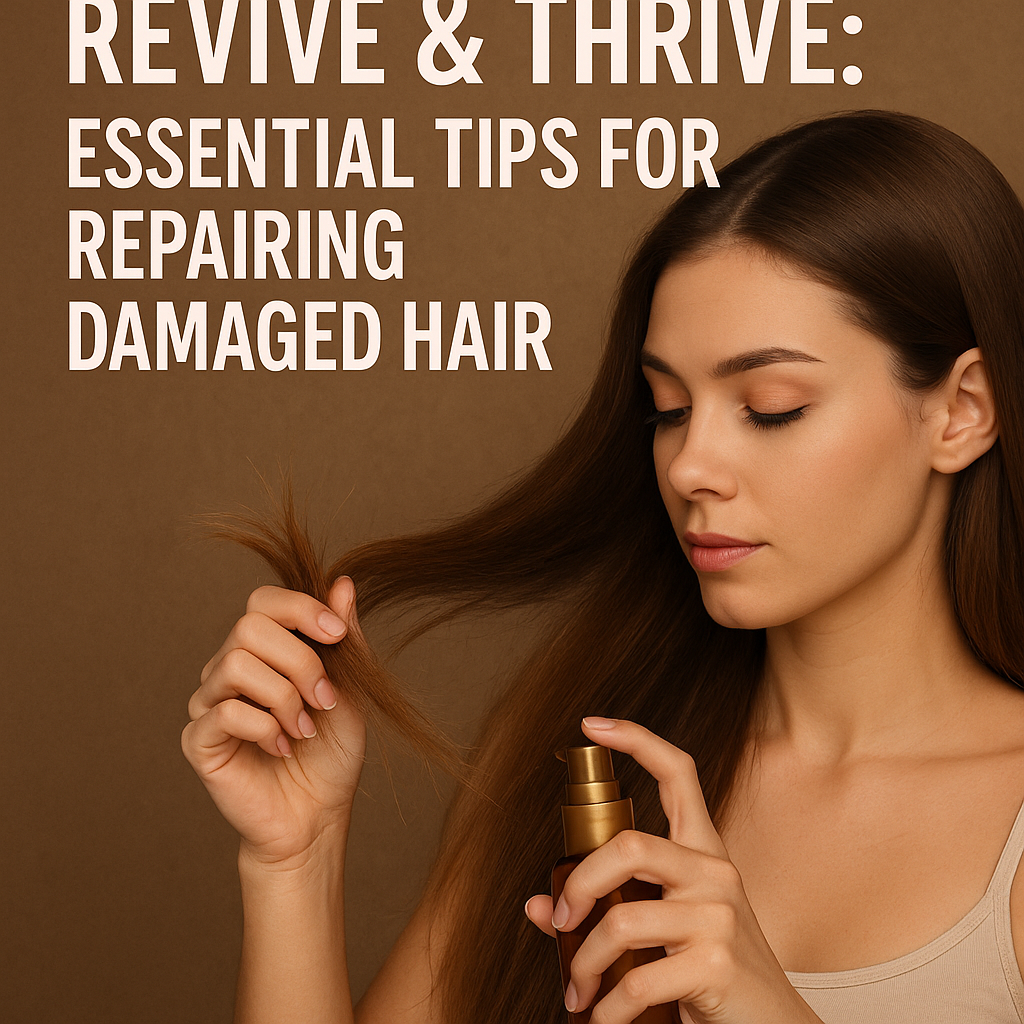
Revive & Thrive: Essential Tips for Repairing Damaged Hair

Healthy, vibrant hair is often associated with Beauty and confidence. However, the realities of daily life can take a significant toll on the health of our hair. Factors such as heat styling, chemical treatments, environmental stresses, and even diet can lead to hair damage. Luckily, reviving and thriving your hair is possible. Below are essential tips and strategies for repairing damaged hair.
Understanding Hair Damage
Before delving into repair techniques, it’s crucial to understand the types of hair damage. Hair can become damaged in several ways:
-
Heat Damage: Frequent use of blow dryers, curling irons, and straighteners can strip away moisture, leading to dryness and brittleness.
-
Chemical Damage: Color treatments, relaxers, and perms often contain harsh chemicals that can degrade hair structure.
-
Mechanical Damage: Rough brushing, tight hairstyles, and lack of care can cause breakage and split ends.
-
Environmental Damage: Exposure to sun, wind, and pollution can undermine hair health, making it more prone to damage.
-
Nutritional Deficiencies: A lack of essential vitamins and minerals can weaken hair from the inside out.
Understanding the cause of your hair’s condition will better inform your repair strategy, so let’s dive into practical steps you can take.
Essential Tips for Repairing Damaged Hair
1. Assess & Trim
Starting with a good haircut can help eliminate split ends and reduce the appearance of damaged hair. Consider trimming about one inch off the ends every 6 to 8 weeks to maintain hair health.
2. Use the Right Products
Opt for sulfate-free shampoos and moisturizing conditioners designed for damaged hair. Look for products containing ingredients like keratin, argan oil, or shea butter, as these help restore moisture and strength.
3. Deep Conditioning Treatments
Consider incorporating deep conditioning masks into your routine once a week. Look for masks that contain natural oils or proteins to penetrate the hair shaft and provide much-needed nourishment.
4. Minimize Heat Styling
Try to limit your use of heat styling tools. When you do use them, apply a heat protectant spray and keep the settings on the lower side. Air-drying whenever possible can significantly reduce heat-related damage.
5. Gentle Handling
Be kind to your hair when washing and styling. Use a wide-toothed comb to detangle when wet, as this is when hair is most vulnerable. Avoid harsh rubbing with towels; instead, pat your hair dry gently.
6. Limit Chemical Treatments
If your hair is already damaged, it’s wise to postpone further chemical treatments until it recovers. If you wish to color your hair, consider gentler alternatives like semi-permanent dyes or natural options such as henna.
7. Stay Hydrated and Eat Well
Hair health is deeply tied to overall nutrition. Ensure you’re drinking enough water and consuming a balanced diet rich in vitamins like biotin, vitamins A and E, zinc, and omega-3 fatty acids. Foods like nuts, seeds, leafy greens, and fish can provide these essential nutrients.
8. Protect From the Elements
When spending time outdoors, protect your hair from the sun and wind. Wearing a hat can shield your hair from UV damage and environmental pollutants. Additionally, consider using a leave-in conditioner with UV protection.
9. Limit Hair Washing
Washing your hair too frequently can strip it of natural oils. Depending on your hair type, you may find that washing every two to three days is sufficient. On non-wash days, you can refresh your hair with dry shampoo if needed.
10. Scalp Care
Healthy hair starts with a healthy scalp. Regularly exfoliate your scalp and consider using a nourishing scalp oil during your Hair Care routine to stimulate growth and improve circulation.
11. Mindful Styling
Avoid tight hairstyles that can cause breakage. Opt for loose buns or braids and use soft hair ties that won’t snag. Consider styles that minimize tension on the hair shaft.
12. Holistic Treatments
Consider natural remedies such as coconut oil or olive oil treatments. Massaging these oils into your scalp and hair can promote moisture and shine. Leave them on for a few hours or overnight before washing them out.
FAQs
Q1: How long does it take to repair damaged hair?
The time it takes to repair damaged hair varies based on factors like the extent of damage, your hair type, and how consistent you are with your Hair Care routine. Generally, noticeable improvements can be seen within a few weeks, but complete healing might take several months.
Q2: Can I repair damaged hair permanently?
While you can significantly improve the condition of damaged hair, it’s essential to understand that all hair will eventually have some wear and tear. Regular maintenance is key to keeping hair healthy.
Q3: Are there any in-salon treatments that can help?
Yes, many salons offer deep conditioning and reconstructive treatments such as Olaplex or keratin treatments designed to restore strength and shine to damaged hair. Consult with a professional stylist for options suitable for your specific needs.
Q4: How often should I use deep conditioning treatments?
For severely damaged hair, you may want to use a deep conditioner weekly. If your hair is less damaged, bi-weekly or monthly treatments can suffice. Listen to your hair’s needs to adjust frequency accordingly.
Q5: What should I avoid if I have damaged hair?
Avoid using heat tools, harsh shampoos, chemicals, and tight hairstyles. Also, try to limit exposure to environmental stressors where possible.
Conclusion
Reviving and thriving your hair after damage requires a holistic approach that includes proper products, routine changes, and mindful care. By following these essential tips, you can restore your hair’s health and vitality over time. With patience and commitment, your hair can be a source of strength and Beauty. Start your journey today and watch as your hair transforms into the lush, vibrant locks you desire!