At Glowskinhub.com, we believe beauty isn’t just a look—it’s a feeling

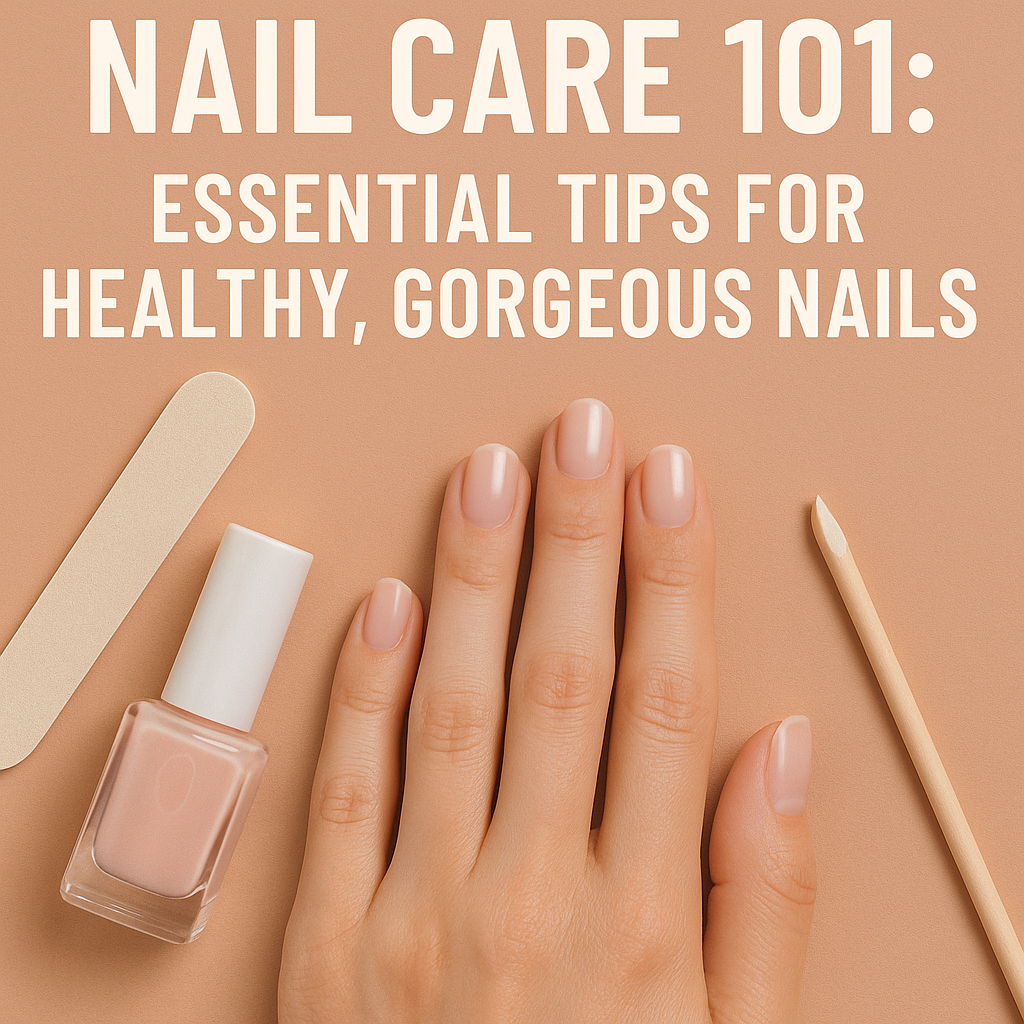
Nail Care 101: Essential Tips for Healthy, Gorgeous Nails

Nail Care is often overlooked in the grand scheme of personal grooming, yet it plays a significant role in overall appearance and health. Whether you’re a nail polish enthusiast or prefer to keep things bare, maintaining healthy nails is essential for your wellbeing. Here’s a comprehensive guide to help you cultivate and care for gorgeous nails, as well as some frequently asked questions for further clarity.
Understanding Your Nails
Before diving into care techniques, it’s important to understand the anatomy of your nails. Each nail is made up of a few key components:
- Nail Plate: The hard part of the nail that is visible.
- Cuticle: The layer of Skin at the base of the nail, protecting the nail matrix.
- Nail Bed: The Skin beneath the nail plate, supporting nail growth.
- Matrix: The tissue under the cuticle where nail growth begins.
Understanding these components can aid in maintaining nail health and recognizing potential problems.
Essential Nail Care Tips
1. Keep Your Nails Clean and Dry
Regularly wash your hands and clean your nails to prevent buildup of bacteria and fungi. Use a soft brush with soap to scrub the nail plates and the surrounding Skin. Be sure to dry your nails thoroughly after washing to prevent moisture-related issues.
2. Trim Regularly
Regular nail trimming helps prevent snags and breaks. Use a quality nail clipper and trim your nails straight across, rounding the edges slightly. This technique can help reduce the risk of ingrown nails.
3. Moisturize Your Nails and Cuticles
Just like your Skin, nails need hydration. Use a good-quality hand cream or cuticle oil to keep your nails and the Skin surrounding them hydrated. Applying oil to your cuticles regularly can also help in preventing hangnails.
4. Protect Your Nails
When doing chores or any activities that may put stress on your nails, it’s prudent to wear gloves. This helps to shield your nails from harsh chemicals and exposure to water, both of which can weaken them.
5. Avoid Nail Biting
Nail biting not only damages the nail but can also introduce bacteria into your mouth and under the nails. If you find this habit hard to break, consider using bitter-tasting nail polish designed to deter nail biting.
6. Choose Quality Products
When it comes to nail polish and removers, opt for products that are free from harmful chemicals like formaldehyde, toluene, and dibutyl phthalate. Look for “five-free” or “seven-free” nail products that highlight their non-toxic formulation.
7. Give Your Nails a Breather
If you enjoy applying nail polish, give your nails a break every so often. Allowing your nails to breathe for a week or two can help prevent discoloration and brittleness.
8. Maintain a Healthy Diet
Your nails reflect your overall health. A balanced diet rich in vitamins and minerals plays a vital role in nail strength. Incorporating foods high in biotin, zinc, and protein can enhance nail growth. Good sources include eggs, nuts, fish, and leafy greens.
9. Be Mindful of Nail Hardener
While nail hardeners can be beneficial for weak nails, overuse can lead to brittleness. Use them sparingly and read the instructions carefully. Ensure that you’re not building a habit of relying solely on hardeners for nail health.
10. Regularly Visit a Manicurist
Professional manicures can offer great benefits. Not only will they allow for deeper cleaning and conditioning, but they can also help you identify any potential nail problems. Choose a reputable salon that follows hygiene and safety standards.
Nail Problems and Solutions
1. Brittle Nails
If your nails frequently chip or break, they might be brittle. Ensure you’re drinking enough water, using moisturizer, and possibly introducing a biotin supplement into your diet.
2. Discoloration
Nail discoloration can indicate health issues or may stem from excessive nail polish use. If discoloration persists despite care, consult a healthcare provider.
3. Ingrown Nails
Ingrown nails can be painful. If you find that trimming them yourself causes pain or discomfort, seek professional help to prevent infection.
4. Fungal Infections
If you notice a white or yellow discoloration along with changes in thickness, you may have a fungal infection. Over-the-counter treatments might help, but consulting a doctor is advisable for severe cases.
FAQs
Q1: How often should I get a manicure?
A1: It generally depends on your personal preference, but getting a manicure every 2-4 weeks is common. This allows time for nail growth and maintenance.
Q2: What can I do about ridges on my nails?
A2: Ridges can be a normal part of aging, but they can also indicate some form of health issue. Keeping nails moisturized and practicing a good Nail Care regimen can help. Consult a healthcare provider if you have concerns.
Q3: Is it important to use a base coat?
A3: Yes, a base coat provides a protective barrier between your nails and the pigments in nail polish. It also helps with adherence and extends the life of your manicure.
Q4: How can I strengthen my nails?
A4: Strengthening your nails involves a combination of diet, hydration, and care. Biotin supplements, proper hydration, and using nail treatments can all contribute to stronger nails.
Q5: Can stress affect my nails?
A5: Yes, stress can lead to various nail issues such as brittleness or nail biting. Managing stress through relaxation techniques can positively impact your overall nail health.
Conclusion
Healthy, gorgeous nails are not only a reflection of good grooming but also a sign of your overall health. By following these essential Nail Care tips and developing a routine tailored to your needs, you can maintain beautiful nails and avoid common problems. Remember that consistency is key, and don’t hesitate to consult professionals when necessary. With attention and care, your nails can be as stunning as they are healthy.