At Glowskinhub.com, we believe beauty isn’t just a look—it’s a feeling

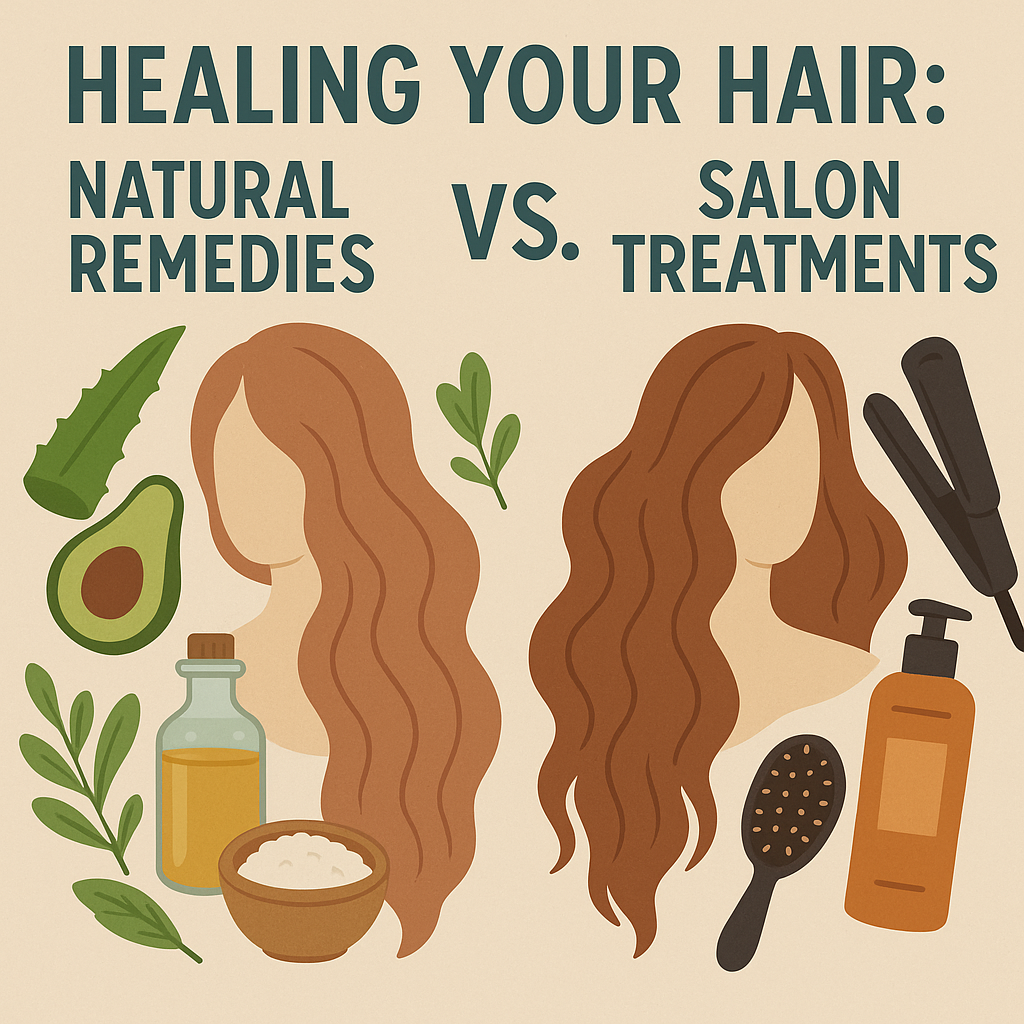
Healing Your Hair: Natural Remedies vs. Salon Treatments

In a world increasingly attuned to the benefits of wellness and self-care, our hair health has emerged as a significant focus. Many of us aspire to have healthy, shiny hair—not just for aesthetics but also as a reflection of our overall well-being. When it comes to healing damaged hair, we are often faced with a choice between natural remedies and salon treatments. Let’s explore both options, their benefits, drawbacks, and how to make informed decisions regarding your Hair Care.
Understanding Hair Damage
Before diving into remedies, it’s essential to understand the types of hair damage. Hair can suffer from various issues, including:
- Mechanical Damage: Caused by excessive brushing, tight hairstyles, or heat styling.
- Chemical Damage: Resulting from hair coloring, perming, or relaxing.
- Environmental Damage: Impacted by pollution, UV rays, and harsh weather conditions.
- Nutritional Deficiencies: Poor diet can lead to brittle hair and hair loss.
Each type of damage may require different treatment approaches, and recognizing the underlying causes can lead to more effective healing.
Natural Remedies for Hair Healing
Natural remedies have gained popularity due to their accessibility, affordability, and the perception that they are safer than chemical treatments. Here are some effective natural methods to heal your hair:
1. Coconut Oil
Coconut oil is rich in fatty acids and vitamins that moisturize and strengthen hair. It can penetrate the hair shaft, reducing protein loss and damage. To use, warm a small amount of coconut oil and massage it into your scalp and hair. Leave it on for at least 30 minutes or overnight before washing it out.
2. Aloe Vera
Aloe vera has natural moisturizing and healing properties that can soothe the scalp and nourish the hair. It contains vitamins A, C, and E, which promote hair growth. Applying pure aloe vera gel to the scalp can help reduce dandruff and increase shine.
3. Egg Mask
Eggs are high in proteins and nutrients essential for hair health. An egg mask can strengthen hair and promote elasticity. Mix one or two eggs with a tablespoon of olive oil or honey, apply it to your hair, and leave it on for about 30 minutes before rinsing.
4. Honey and Olive Oil
Honey is a natural humectant, meaning it attracts moisture. Combining honey with olive oil creates a powerful moisturizer. Mix equal parts of both, apply it to your hair, and leave it for 30-45 minutes before rinsing.
5. Apple Cider Vinegar (ACV)
Using ACV as a rinse after shampooing can balance the scalp’s pH and remove product buildup. Mix one part ACV with two parts water, apply it to your hair, let it sit for a few minutes, and then rinse.
Salon Treatments for Hair Healing
While natural remedies can be effective, sometimes they may not be enough. Salon treatments offer stronger, immediate results. Here are some popular salon options for hair healing:
1. Keratin Treatments
Keratin treatments are designed to smooth the hair cuticle, reducing frizz and making hair more manageable. They infuse keratin, a natural protein found in hair, back into the strands. However, many treatments involve formaldehyde, which raises health concerns.
2. Deep Conditioning Treatments
Salon-grade deep conditioning treatments often contain high concentrations of proteins and moisturizing agents. These can help revive dry and damaged hair quickly, offering immediate results that may be difficult to achieve with natural remedies alone.
3. Scalp Treatments
Many salons offer specialized scalp treatments that target issues like dryness, flakiness, and oiliness. These treatments can deeply cleanse and nourish the scalp, promoting healthier hair growth.
4. Hair Botox
Hair Botox is a conditioning treatment that aims to restore moisture and revive dull, lifeless hair. It doesn’t contain any actual botulinum toxin; rather, it works as a deep conditioning treatment that offers a smooth finish.
5. Color Treatments
If you’re dealing with color-treated hair, regular visits to the salon for touch-ups and treatments can keep your hair healthy. Many color treatments include built-in conditioning that helps counteract damage from dyeing.
Natural Remedies vs. Salon Treatments: Making the Right Choice
When it comes to healing your hair, the choice between natural remedies and salon treatments can depend on various factors including:
- Severity of Damage: For mild damage, natural remedies may suffice. For severe damage, salon treatments could provide quicker results.
- Skin Sensitivities: Individuals with sensitive Skin may prefer natural remedies, as they generally have fewer chemicals.
- Budget: Natural remedies are often more affordable than salon treatments, which can range from moderately priced to quite expensive.
- Time Commitment: Natural remedies usually require preparation and waiting. Salon treatments can provide immediate results but require scheduling and travel.
Ultimately, combining both approaches may offer the best results. Use natural remedies at home for maintenance and occasional salon treatments to address specific concerns.
FAQs
1. How often should I use natural remedies for my hair?
It varies depending on individual needs. Generally, using natural remedies once a week is beneficial for most hair types.
2. Are chemical treatments safe for hair?
While many salon treatments are generally considered safe, they often contain chemicals that may cause allergic reactions or damage if used improperly. It’s essential to consult a certified professional.
3. Can I transition from salon treatments to natural remedies?
Yes! You can gradually switch to natural remedies, but it may take time for your hair to adjust and respond positively.
4. What should I do if my hair is severely damaged?
If your hair is severely damaged, it might be best to consult a salon professional for immediate help, and then you can incorporate natural remedies for ongoing care.
5. Do natural remedies work for all hair types?
Most natural remedies are suitable for a variety of hair types. However, it’s essential to consider your specific hair needs and possibly test remedies on a small section first.
In conclusion, whether you opt for natural remedies or salon treatments, understanding your hair’s specific needs is key to achieving healthy, vibrant locks. Balancing both approaches may provide the most significant benefits, ensuring your hair not only looks good but feels great, too.