At Glowskinhub.com, we believe beauty isn’t just a look—it’s a feeling

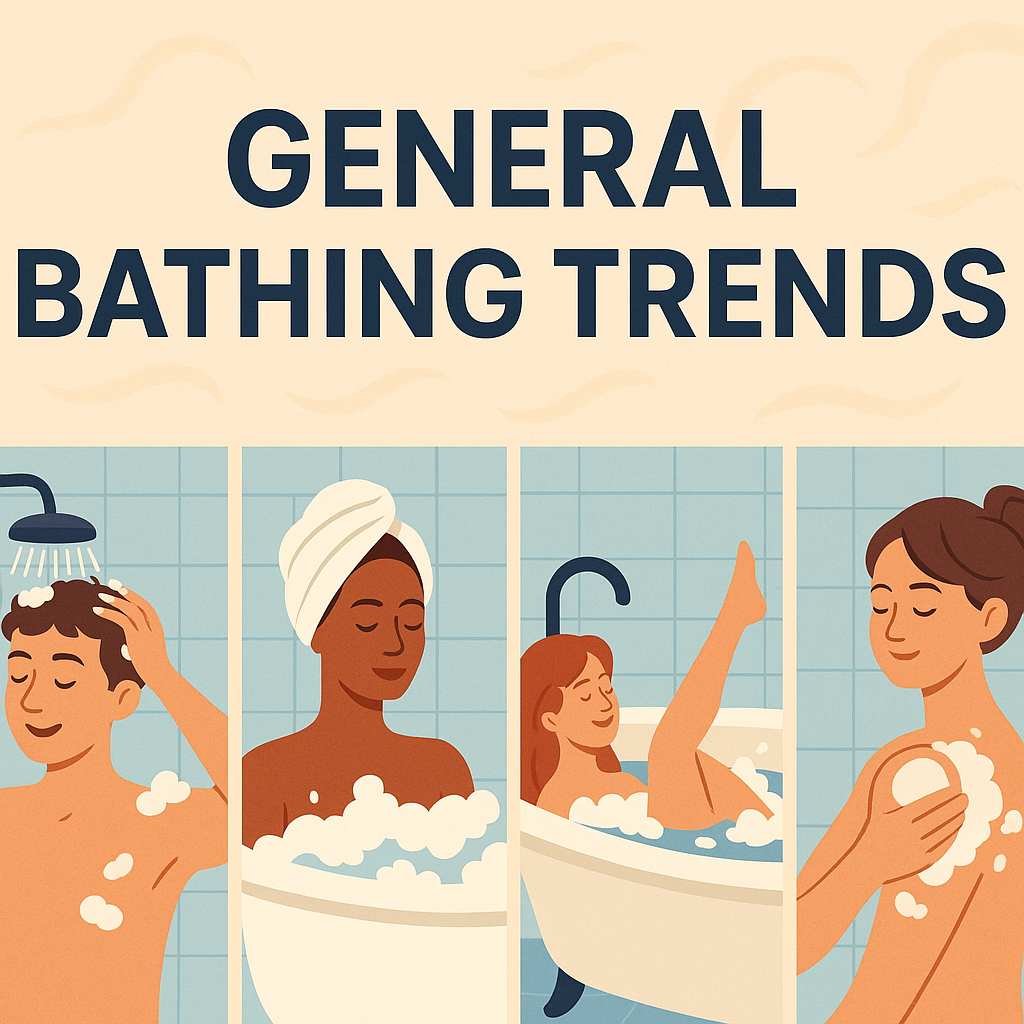
General Bathing Trends

General Bathing Trends: A Comprehensive Overview
Bathing has evolved from a basic hygienic necessity to a holistic experience that promotes relaxation, wellness, and self-care. As society becomes increasingly aware of the importance of mental and physical well-being, bathing trends have continuously transformed to include various elements from culture, technology, and wellness practices. This article explores the key trends in bathing, focusing on the modern practices, products, and philosophies surrounding this age-old ritual.
Historical Context
Historically, bathing has played significant roles across various cultures. Ancient civilizations, including the Romans and Greeks, turned bathing into a social activity within grand public bathhouses. As centuries passed, bathing shifted from communal to private spaces, particularly in Western countries. Today, many are reviving the notion of social bathing, though this time in a more personalized and elevated manner.
Modern Bathing Trends
- Eco-Friendly Products
With rising environmental concerns, many consumers are shifting toward eco-friendly bathing products. This includes biodegradable soaps, organic bath bombs, and sustainable packaging. Brands that prioritize natural ingredients and cruelty-free practices have gained significant traction, catering especially to the eco-conscious demographic.
- Smart Technology
Technology integrates seamlessly into our daily lives, and the bathing experience is no exception. Smart showers, temperature control, and automatic water-saving features are becoming common in modern bathrooms. High-tech bath accessories, like waterproof speakers and mood lighting, can enhance the bathing experience, allowing users to customize their ambiance.
- Aromatherapy and Herbal Baths
The use of essential oils, herbs, and botanical ingredients has surged in popularity. Aromatherapy is known for its psychological benefits, promoting relaxation, reducing stress, and improving sleep quality. Bathers are increasingly incorporating herbal infusions, such as chamomile or eucalyptus, into their bathing routines, creating a soothing atmosphere that feels luxurious and therapeutic.
- Self-Care Rituals
Bathtime is no longer just about hygiene; it’s about creating a self-care routine. The rise of social media has popularized the importance of mental health, and taking time for oneself has become a priority. Bathing is now seen as an opportunity for mindfulness, allowing individuals to disconnect from daily stresses while appreciating the soothing experience of warm water.
- The Revival of Traditional Baths
There’s a renaissance of traditional bathing practices like Japanese onsen and Scandinavian saunas. These methods emphasize not just cleansing but also the meditative aspects of bathing. Many wellness retreats and spas offer these traditional experiences, allowing individuals to connect with ancient rituals that focus on detoxification and relaxation.
- Luxurious Additions
Luxury is a key trend in modern bathing. Consumers are investing in high-end products such as scented bath oils, indulgent bath salts, and plush towels. The addition of luxurious bath fixtures, like freestanding tubs and rain showers, transforms the bathroom into a spa-like sanctuary. The concept of “wellness at home” has driven consumers to recreate luxurious bathing experiences within their own private spaces.
- Bathing for Connection
Social media platforms have led to the rise of #bathtime and other related hashtags, emphasizing the communal aspect of bathing. Many are now sharing their unique bathing experiences online, leading to a new trend where bathing is associated not just with individual wellness, but also with fostering relationships. Engaging in shared bath experiences among friends or loved ones has become increasingly popular.
- Therapeutic Bathing
With an increased focus on health and wellness, therapeutic bathing options like hydrotherapy are on the rise. These baths employ different water temperatures, pressure, and mineral additives to benefit various ailments such as muscle tension, arthritis, and stress. Treatments that incorporate Epsom salts, magnesium, or even specific mineral-rich waters (like those found in natural springs) are gaining recognition for their restorative properties.
- Minimalism in Bathing
The minimalist movement is also influencing bathing trends. Consumers are gravitating toward fewer, high-quality products instead of an overwhelming array of choices. Simple rituals, focusing on the essentials, promote a more mindful and less cluttered bathing experience. This vital shift encourages individuals to connect deeply with what they apply to their bodies and how they groom themselves.
Benefits of Modern Bathing Trends
While the trends in bathing have shifted significantly, the overarching benefits remain consistent and vital:
- Promotes Relaxation: Bathing reduces stress, and modern practices enhance this by incorporating Aromatherapy, calming colors, and soothing sounds.
- Improves Skin Health: The use of natural and organic products boosts Skin health, catering to a variety of Skin types and concerns.
- Encourages Mindfulness: Many trends encourage individuals to slow down and appreciate the moment, fostering a mindful mindset.
- Facilitates Connection: The social aspect of bathing helps strengthen bonds between individuals, promoting emotional well-being.
FAQs
1. What are the benefits of Aromatherapy in baths?
Aromatherapy enhances relaxation, reduces stress, and can improve mood. Various essential oils offer specific benefits, such as lavender for sleep and eucalyptus for respiratory health.
2. How often should one take a bath?
The frequency of bathing depends on individual preferences and lifestyles. Generally, bathing 2-3 times a week is adequate for most people, but daily baths can be beneficial for relaxation and self-care.
3. What are some eco-friendly bathing products to consider?
Look for organic soaps, biodegradable bath bombs, reusable shower sponges, and refillable body washes. Brands focusing on sustainability often provide clear labeling on their eco-friendly practices.
4. Are traditional baths really beneficial?
Yes, traditional bathing practices like Japanese onsen and saunas offer numerous benefits such as improved circulation, relaxation, and enhanced detoxification.
5. How can I create a spa-like experience at home?
To recreate a spa experience, focus on ambiance with dim lighting or candles, choose high-quality bath products, and add soothing music. Consider incorporating elements like plants or calming decorations to enhance the atmosphere.
Conclusion
Modern bathing has transformed into a multi-faceted ritual that embraces wellness, technology, and self-care. As trends continue to evolve, the fundamental benefits of bathing remain apparent. Whether indulging in luxurious oils, embracing eco-friendly practices, or reviving traditional bathing methods, there’s a trend for everyone in the quest for relaxation and rejuvenation. Bathing is not merely a routine; it’s a celebration of mindfulness, wellness, and connection—a journey that deserves to be embraced.