At Glowskinhub.com, we believe beauty isn’t just a look—it’s a feeling

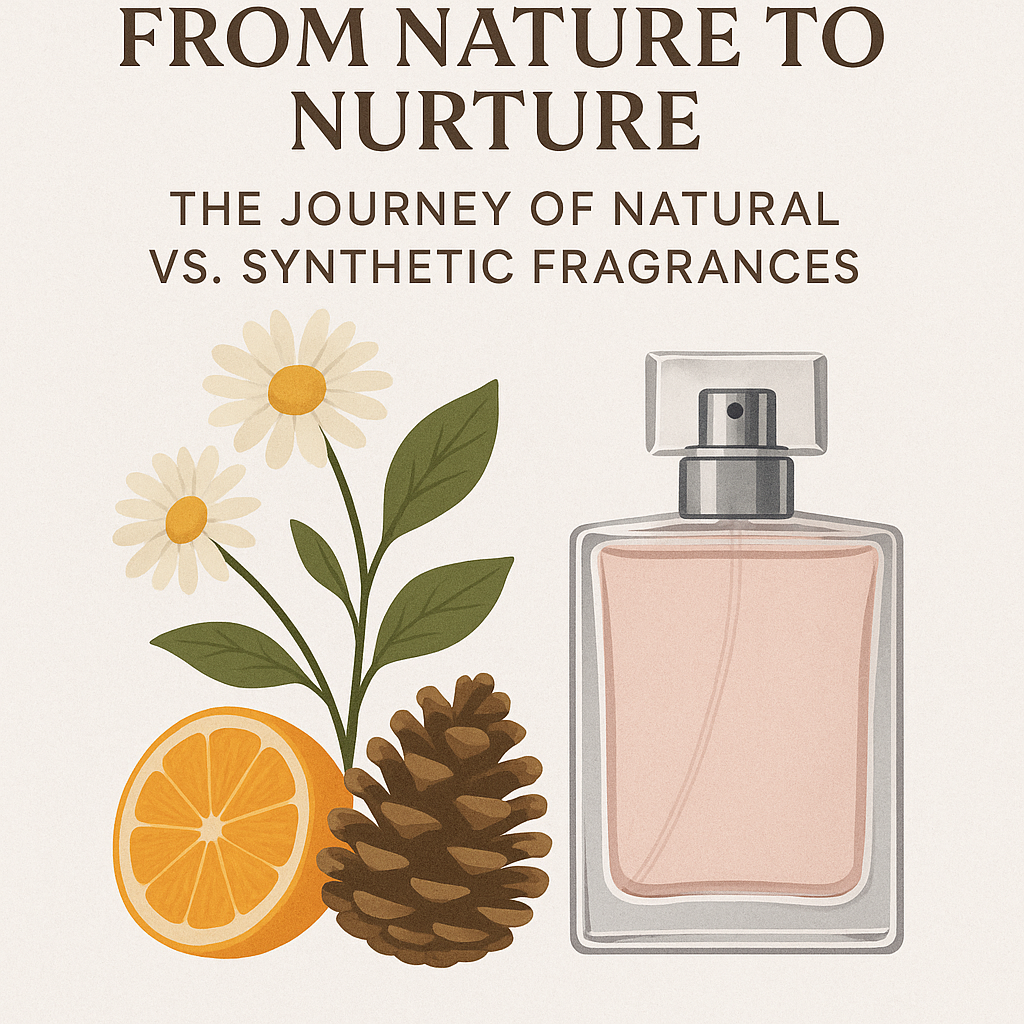
From Nature to Nurture: The Journey of Natural vs. Synthetic Fragrances

Fragrances have a profound ability to evoke memories, influence moods, and enhance our experiences. They play a significant role in personal care products, home ambiance, and even the food industry. However, the world of fragrances is increasingly overshadowed by a critical dichotomy: natural vs. synthetic fragrances. This article explores the journey of these two categories and the implications they have on our health, environment, and the Fragrance industry.
The Evolution of Fragrances
Early Beginnings
Historically, humans have utilized natural fragrances since the dawn of civilization. Ancient Egyptians were known for their use of oils derived from flowers, herbs, and spices in religious ceremonies, Beauty routines, and even mummification processes. The Greeks and Romans also integrated fragrances into their daily life, significantly contributing to its cultural and social relevance.
From Nature to Synthetic
The mid-19th century marked the beginning of synthetic Fragrance creation. Chemists began to identify the molecules found in natural sources and replicated them through chemical processes. The synthesis of compounds such as vanillin (the primary component of vanilla) led to a proliferation of synthetic fragrances. This innovation made Fragrance production more cost-effective and accessible. By the late 20th century, synthetic fragrances had largely taken over the market.
Understanding Natural Fragrances
Definition and Sources
Natural fragrances are derived from plant materials (flowers, leaves, fruits, and seeds) and animal-based substances (musk, ambergris, and civet). Their production often involves techniques such as steam distillation, solvent extraction, and cold pressing.
Benefits of Natural Fragrances
- Purity: Natural fragrances tend to carry fewer potential irritants and allergens, making them more suitable for sensitive Skin.
- Environmental Impact: Ethically sourced natural ingredients can have lower environmental footprints compared to synthetic ones, especially when sustainable farming practices are employed.
- Complexity and Depth: Natural fragrances often possess a nuanced profile that evolutionarily developed over time. They carry more than just scent; they resonate with narratives tied to specific plants or locations.
Challenges of Natural Fragrances
- Consistency: The availability of natural ingredients can vary based on seasonal changes, crop yields, or ecological factors, making it challenging to maintain consistency in Fragrance profiles.
- Shelf Life: Natural fragrances often have shorter shelf lives than synthetic options. They can deteriorate quicker due to oxidation, unlike their synthetic counterparts.
- Cost: The production processes for natural fragrances can be more labor-intensive and thus more expensive.
Navigating the Realm of Synthetic Fragrances
Definition and Sources
Synthetic fragrances are manufactured using artificial or lab-made compounds, which often imitate natural scents or create entirely new ones not found in nature. They have gained popularity due to their reproducibility and cost-effectiveness.
Advantages of Synthetic Fragrances
- Consistency: Synthetic fragrances can be produced in large quantities with uniformity, ensuring that consumers receive the same scent experience with every purchase.
- Diversity: The synthetic Fragrance palette is vast, allowing perfumers to create unique and complex fragrances that are unavailable in nature.
- Stability: Synthetic fragrances generally last longer and have greater stability than natural fragrances, making them preferable for certain applications, such as in cleaning products and perfumes.
Concerns Regarding Synthetic Fragrances
- Health Risks: Some synthetic fragrances may contain phthalates or other chemicals linked to allergic reactions, hormone disruption, and other health issues.
- Environmental Impact: The production and disposal of synthetic chemicals can lead to ecological harm, particularly when not managed sustainably.
- Lack of Transparency: Regulatory requirements for synthetic Fragrance disclosure can be minimal, leaving consumers unaware of what specific chemicals are used.
The Balance Between Natural and Synthetic
Consumer Preferences
The debates surrounding natural vs. synthetic fragrances have led to evolving consumer preferences. More individuals are gravitating towards natural fragrances, valuing eco-friendliness, and a “back-to-nature” ethos. However, many appreciate the unique qualities and diversity that synthetic options can offer.
Innovating Responsibly
Today, the Fragrance industry is seeing a trend toward “clean” fragrances, which prioritize transparency in ingredient sourcing and safety. Many brands blend natural and synthetic materials to achieve the best of both worlds: the natural scents of flora and the reliability of synthesis.
Labels and Certification
As more consumers emphasize quality and safety, brands are beginning to adopt stringent labeling standards. Fragrance associations have introduced certifications that indicate adherence to eco-conscious and health-conscious practices, helping consumers make informed choices.
FAQs
1. Are natural fragrances always better than synthetic ones?
Not necessarily. While natural fragrances are often gentler and more eco-friendly, synthetic fragrances have their advantages, including consistency and stability. The choice between them depends on individual preferences and sensitivities.
2. Can synthetic fragrances cause allergies?
Yes, some individuals may experience allergic reactions or sensitivities to certain synthetic Fragrance components. It’s important to check ingredient lists, especially if you have known allergies.
3. Are there regulations governing the safety of fragrances?
Regulations vary by country. In the U.S., the FDA does not require Fragrance ingredients to be listed in detail, while the EU has stricter regulations that may provide better safety assurances.
4. Can I find a Fragrance that uses both natural and synthetic ingredients?
Yes, many modern fragrances blend both types of ingredients to achieve unique scents while maintaining safety and stability.
5. How can I identify if a Fragrance is natural or synthetic?
Check the label. If it’s labeled as “100% natural,” it contains natural Fragrance ingredients. “Fragrance” or “parfum” without clarification may indicate synthetic components.
Conclusion
The journey from nature to nurture in the realm of fragrances reflects a balance between heritage and modernity. Both natural and synthetic fragrances bring unique benefits and challenges, influencing the way we experience scent. An informed understanding allows consumers to make choices that resonate with their lifestyle and values, whether they lean towards the tactile allure of nature or the innovative potential of synthetic compounds. Ultimately, the decision between the two comes down to personal preference, values, and individual experiences in the world of scent.