At Glowskinhub.com, we believe beauty isn’t just a look—it’s a feeling

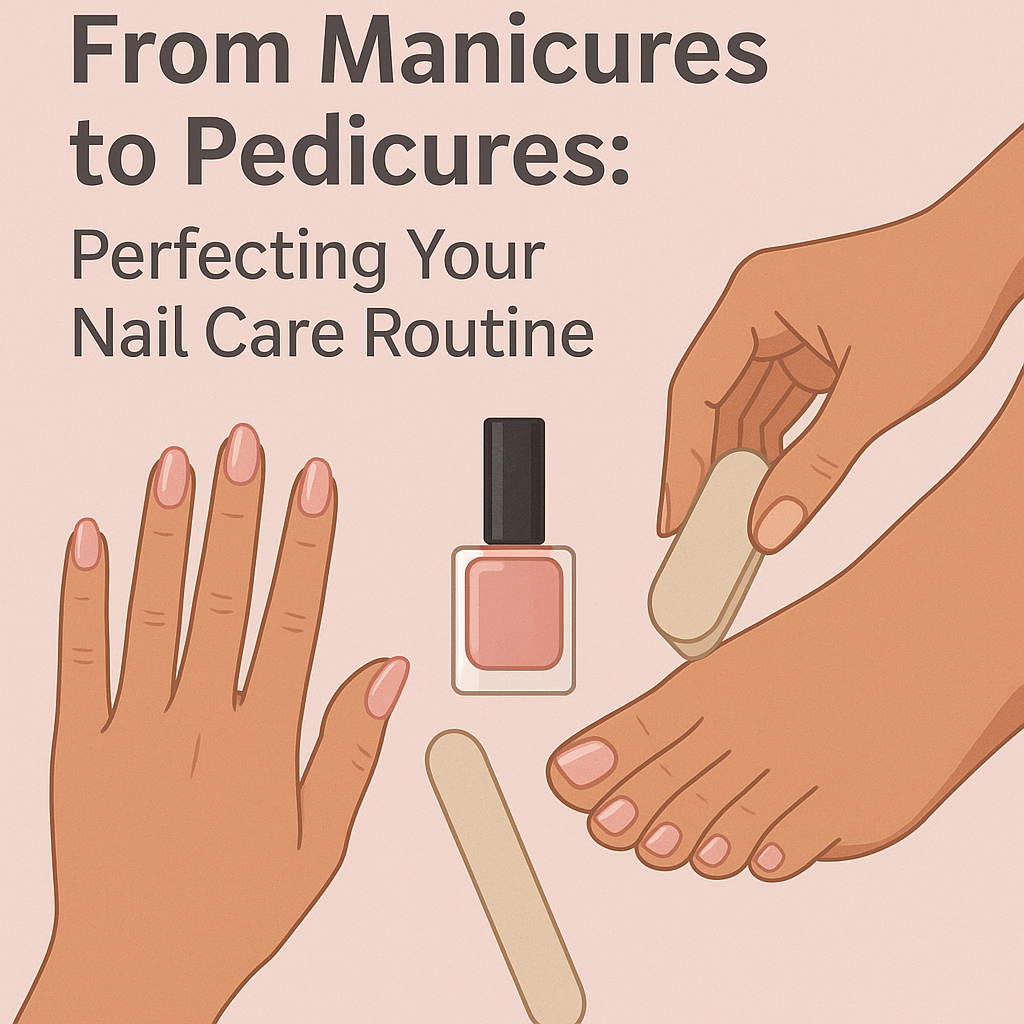
From Manicures to Pedicures: Perfecting Your Nail Care Routine

Nail Care is an integral part of grooming that transcends aesthetics; it’s a reflection of self-care, health, and even personality. Whether you enjoy a manicured look or prefer the natural Beauty of your nails, understanding Nail Care is essential for maintaining their strength and appearance. This article guides you through a comprehensive Nail Care routine—covering everything from manicures to pedicures—and how you can tailor it to fit your lifestyle.
The Importance of Nail Care
Healthy nails go beyond cosmetic appeal; they can also indicate your overall health. Condition, shape, and growth rate can all reflect your diet, lifestyle, and general well-being. A vigorous Nail Care routine not only enhances the Beauty of your hands and feet but can also prevent issues such as nail infections and other ailments.
The manicure Routine
Step 1: Preparation
Before diving into a manicure, gather your tools: a nail clipper, file, cuticle pusher, buffer, polish, and a base and top coat. Ensure your hands are clean; wash them thoroughly to prevent adding oils or dirt to your nails.
Step 2: Shaping Your Nails
Use a nail clipper to trim your nails to your desired length. Following this, a finer nail file can smooth the edges. When filing, always file in one direction rather than sawing back and forth. This minimizes the risk of splitting.
Step 3: Cuticle Care
Soften your cuticles by soaking your nails in warm, soapy water for 5-10 minutes. Afterward, gently push back the cuticles using a cuticle pusher. Take care not to cut the cuticles, as they serve as a protective barrier against infection.
Step 4: Buffing
Buff the surface of your nails using a nail buffer. This will remove any ridges and create a smooth surface for nail polish. Be cautious not to over-buff, as this can weaken the nail.
Step 5: Moisturizing
Applying cuticle oil is crucial at this stage. It hydrates both the nails and the cuticles, promoting overall nail health. Massage the oil into the cuticles and surrounding Skin. Follow with a hand cream to ensure your hands are well-moisturized.
Step 6: Polish Application
Start with a base coat to protect your nails from staining and to provide a smooth surface for your polish. Then, apply two thin layers of your chosen nail color, allowing each layer to dry before applying the next. Seal your manicure with a top coat for enhanced shine and longevity.
Step 7: Clean-Up
It’s not uncommon to get a little polish on your Skin. Use a brush or a cotton swab dipped in nail polish remover to clean any mistakes around the nail edges.
The Pedicure Routine
A pedicure shares similarities with a manicure but requires a few additional steps due to the different nature of feet.
Step 1: Soaking
Start by filling a basin with warm water and adding Epsom salts or foot soak liquids. Soak your feet for about 10-15 minutes to soften the Skin and make it easier to work on calluses.
Step 2: Exfoliation
After soaking, use a pumice stone or foot file to remove dead Skin, especially on the heels and the balls of your feet. Exfoliation helps prevent issues like calluses and roughness.
Step 3: Nail Care
Similar to the manicure routine, trim and file your toenails. It’s important to trim them straight across to avoid ingrown nails. Push back the cuticles gently and apply cuticle oil to nourish the nails.
Step 4: Moisturizing
After scrubbing, wash off any remaining foot scrub and dry your feet. Apply a generous amount of foot cream or lotion, massaging it in to improve circulation.
Step 5: Polish Your Toes
Just like with your fingernails, start with a base coat to protect the nails, followed by two coats of nail polish, and finish with a top coat for protection and shine.
Step 6: Freshen Up
Consider using a foot spray or powder after your pedicure to keep your feet smelling fresh if you plan to wear close shoes afterward.
Maintenance Tips
-
Regular Trims: Whether fingers or toes, keep nails trimmed to avoid snagging.
-
Hydration: Keep both your nails and cuticles moisturized to prevent breakage and hangnails.
-
Diet: A diet rich in vitamins A, C, and E as well as biotin contributes to nail health.
-
Protect Your Nails: Wear gloves while doing household chores to prevent damage.
-
Avoiding Over-polishing: Give your nails a break from polish occasionally to let them breathe.
Choosing the Right Products
When it comes to Nail Care products, quality matters. Opt for non-toxic, hypoallergenic nail polishes and base/top coats. Look for moisturizing oils that contain natural ingredients such as almond oil, argan oil, or vitamin E.
Home vs. Salon
While at-home Nail Care can be effective, periodic visits to a salon can provide professional techniques and treatments that elevate your at-home care. Treatments like paraffin dips and gel manicures may be more difficult to replicate at home.
Common Nail Problems
-
Brittle Nails: Often caused by frequent exposure to water or nail products. Consider increasing your intake of Omega-3 fatty acids or apply strengthening treatments.
-
Hangnails: A common issue related to dryness; keeping your cuticles moisturized is key.
-
Nail Fungus: If you notice a discoloration or changes in texture, consult a healthcare professional as this may require treatment.
Conclusion
Achieving perfectly manicured nails and soft, smooth feet is not just about aesthetics; it’s about self-care and demonstrating your attention to well-being. By developing a comprehensive Nail Care routine that encompasses both manicures and pedicures, you’ll be better equipped to maintain your nails in top condition.
FAQs
Q1: How often should I get a manicure or pedicure?
A: It depends on your personal preference and how fast your nails grow. A monthly routine is typical, but some people prefer to do it every two weeks or as needed.
Q2: Can I perform a pedicure at home?
A: Absolutely! With the right tools and products, you can easily give yourself a pedicure at home. Just take your time and follow the steps outlined.
Q3: How do I prevent my nail polish from chipping?
A: Use a high-quality base coat, apply thin layers of polish, and always seal with a top coat. Additionally, avoid using your nails as tools to reduce breakage.
Q4: What can I do to strengthen weak nails?
A: Incorporate a biotin supplement into your diet, keep nails hydrated with oil, and limit exposure to harsh chemicals by wearing gloves when cleaning.
Q5: Is it necessary to push back my cuticles?
A: Yes, but do so gently. Pushing back cuticles can promote growth and enhance the appearance of your nails, but avoid cutting them to prevent infection.
By integrating proper Nail Care into your routine, you can enjoy the benefits of beautiful, healthy nails that reflect your self-care efforts. Whether you choose to indulge in salon treatments or prefer the satisfaction of home care, keep these tips in mind for optimal results.