At Glowskinhub.com, we believe beauty isn’t just a look—it’s a feeling

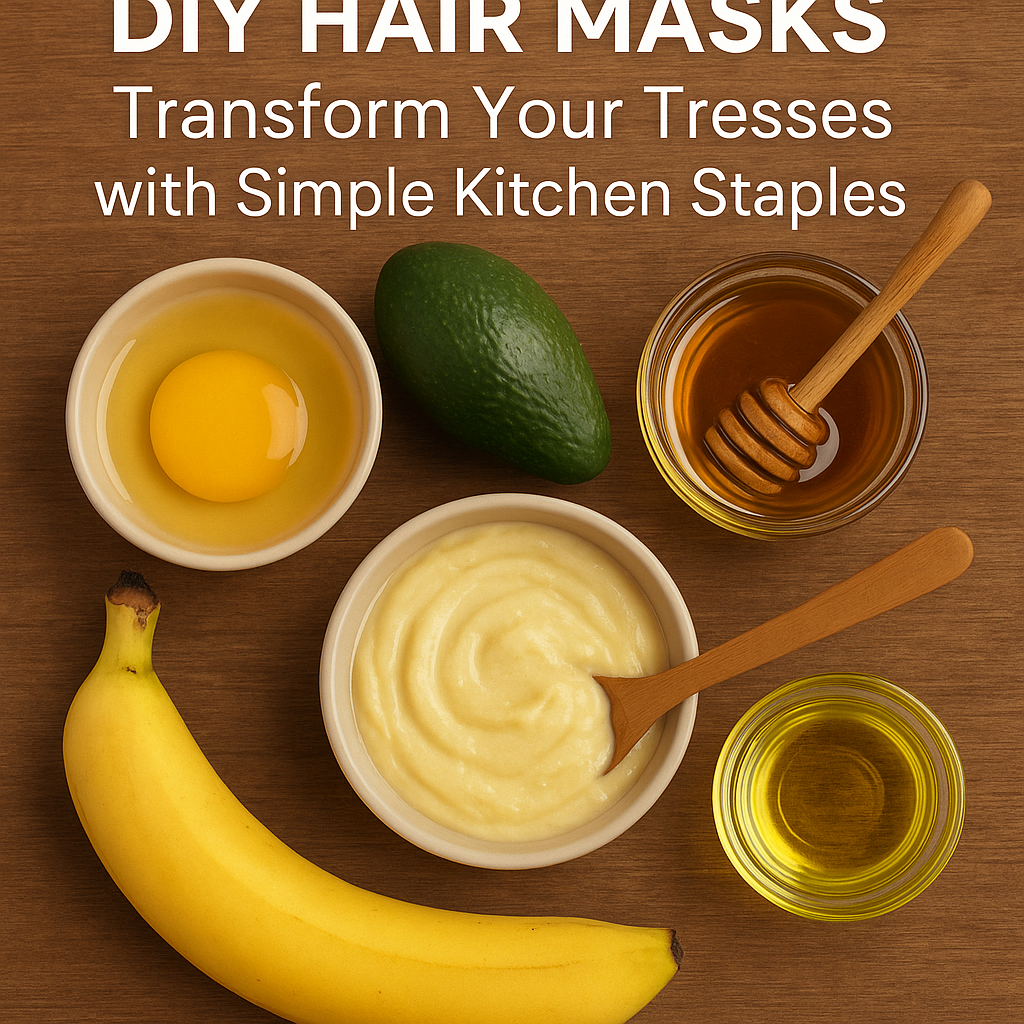
DIY Hair Masks: Transform Your Tresses with Simple Kitchen Staples

In the quest for luscious locks, many of us spend a small fortune on Hair Care products that promise to nourish and rejuvenate our tresses. However, the answer to healthier hair might be lurking in your kitchen! DIY hair masks crafted from simple, everyday ingredients can transform your hair without breaking the bank. This article will explore various DIY hair masks, their benefits, and how to use them effectively.
Why Choose DIY Hair Masks?
1. Cost-Effective: Store-bought hair masks can be expensive. DIY options utilize ingredients you likely already have in your pantry, making them a budget-friendly choice.
2. Natural Ingredients: Many commercial products contain chemicals and artificial additives. DIY masks allow you to know exactly what you’re putting on your hair, reducing the risk of allergies and scalp irritation.
3. Customizable: Everyone’s hair is different. DIY masks can be tailored to fit your specific hair needs—be it dryness, damage, or oiliness.
4. Eco-Friendly: Making your own hair masks can reduce packaging waste, making it a more sustainable option.
Popular DIY hair mask Ingredients
To craft effective hair masks, let’s first explore some common kitchen staples that can work wonders for your locks:
1. Avocado
Rich in healthy fats and vitamins, avocado helps to hydrate and nourish hair, making it particularly beneficial for dry and damaged hair.
DIY Mask: Mash one ripe avocado with a tablespoon of olive oil and a teaspoon of honey. Apply to damp hair, leave for 30 minutes, then wash out with a mild shampoo.
2. Coconut Oil
Known for its deep conditioning properties, coconut oil penetrates the hair shaft, providing moisture and shine.
DIY Mask: Warm up 2 tablespoons of coconut oil and massage into your scalp and hair, focusing on the ends. Leave it on for at least an hour or overnight for maximum benefits, then wash out.
3. Honey
A natural humectant, honey attracts moisture and can moisturize dry hair.
DIY Mask: Mix 2 tablespoons of honey with 1 tablespoon of olive oil and apply to damp hair. Cover with a shower cap for 20-30 minutes before rinsing.
4. Yogurt
Rich in protein and essential nutrients, yogurt can help strengthen hair and reduce breakage.
DIY Mask: Combine half a cup of plain yogurt with a tablespoon of honey and a teaspoon of olive oil. Apply it to your hair, leave for 30 minutes, then rinse thoroughly.
5. Banana
Bananas are packed with vitamins and can help smooth hair while reducing frizz.
DIY Mask: Blend one ripe banana with a tablespoon of honey and two tablespoons of olive or coconut oil. Apply to hair for 30 minutes before rinsing.
6. Eggs
Eggs are an excellent source of protein, providing strength and shine to the hair.
DIY Mask: Beat one or two eggs (depending on hair length) and mix with a tablespoon of olive oil. Apply the mask for 20 minutes, then rinse with cold water to avoid cooking the eggs in your hair.
7. Oatmeal
Oatmeal can soothe the scalp and promote healthy hair growth.
DIY Mask: Blend half a cup of oatmeal with water until you achieve a paste-like consistency. Apply it to your hair and scalp, leave for 30 minutes, then rinse.
How to Apply DIY Hair Masks
Step 1: Choose the right mask based on your hair type and needs.
Step 2: Prepare your ingredients according to the recipe.
Step 3: Apply the mask evenly. Use a comb or your fingers to distribute it from root to tip, ensuring every strand is coated.
Step 4: Cover your hair with a shower cap or plastic wrap to trap heat, allowing ingredients to penetrate better.
Step 5: Leave the mask on for the recommended time, generally 20-30 minutes, depending on the ingredients.
Step 6: Rinse thoroughly. Follow up with a mild shampoo for best results, especially for heavier masks like those containing oils.
Tips for Maximum Effectiveness
- Frequency: Aim to use a DIY hair mask once a week for best results.
- Patch Test: Before applying any new ingredient, especially if you have sensitive Skin, conduct a patch test.
- Stay Hydrated: Drink plenty of water and maintain a balanced diet for overall hair health.
- Heat Application: Consider applying heat with a warm towel around your hair after applying the mask; it can enhance absorption.
FAQs
1. How often should I use a DIY hair mask?
It depends on your hair type. For dry or damaged hair, you may use a mask once a week. For oily hair, once every two weeks could suffice.
2. Can I store leftovers for later use?
While fresh masks are usually best, you can store leftover masks in the refrigerator for a maximum of 3-5 days, depending on the ingredients. Always check for spoilage before using.
3. Are there any ingredients I should avoid?
Avoid using ingredients that can strip moisture, such as lemon juice and vinegar, unless diluted or combined with other nourishing components.
4. Will DIY masks work for all hair types?
Yes, but it’s essential to choose a mask that addresses your specific hair needs. For instance, oily hair typically benefits from lighter ingredients, while dry hair needs more moisture-rich products.
5. Can I use these masks on colored-treated hair?
Most DIY masks can be safe for colored hair, but always perform a patch test first. Avoid strong ingredients like vinegar and lemon, which may affect color vibrancy.
Conclusion
Transforming your hair doesn’t need to involve expensive salon treatments or chemically laden products. With these easy-to-make DIY hair masks from simple kitchen staples, you can hydrate, nourish, and revitalize your locks right at home. Experiment with different ingredients and masks to find the perfect fit for your hair, and enjoy the journey to healthier, more vibrant tresses!