At Glowskinhub.com, we believe beauty isn’t just a look—it’s a feeling

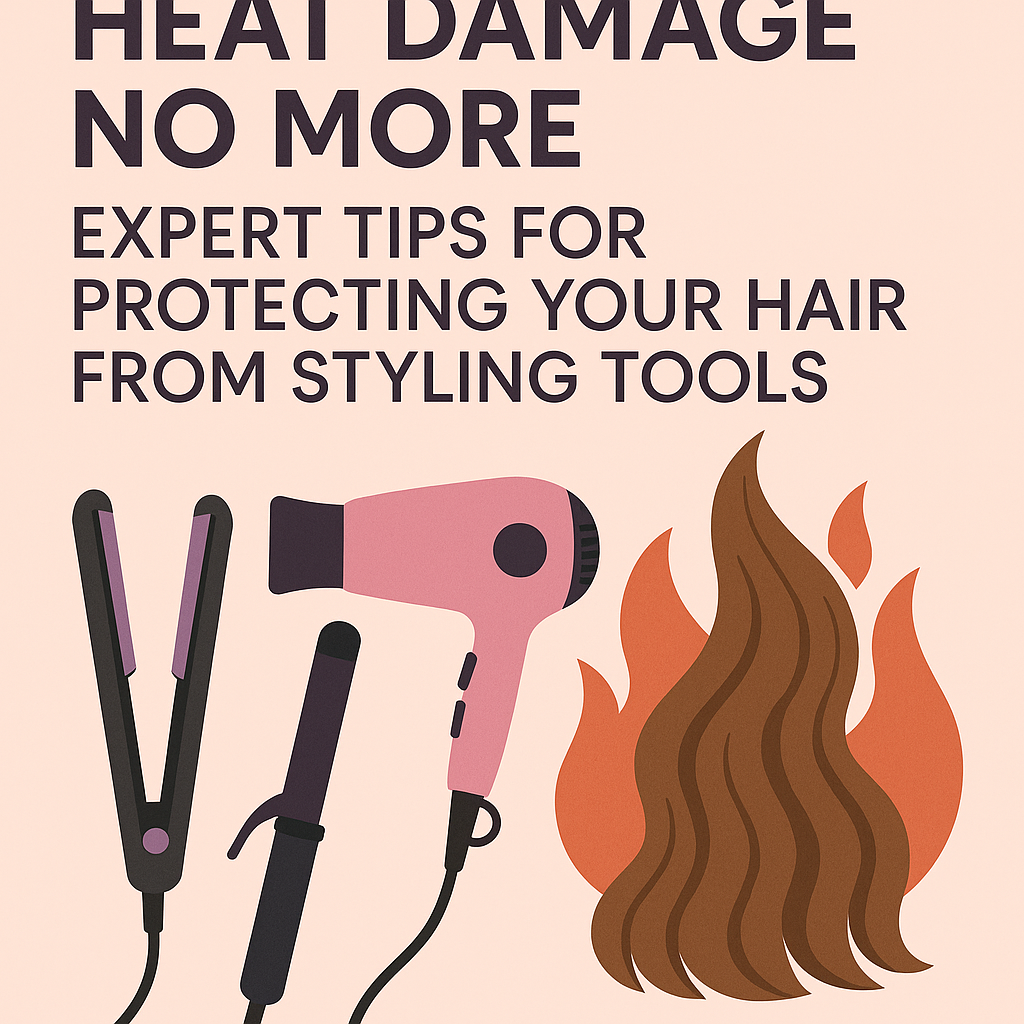
Heat Damage No More: Expert Tips for Protecting Your Hair from Styling Tools

In our quest for the perfect hairstyle, many of us rely heavily on styling tools such as straighteners, curling wands, and blow dryers. Unfortunately, these high-heat appliances can inflict significant damage on our hair, leading to dryness, brittleness, and split ends. Fortunately, there are effective methods to protect your strands while still achieving the desired look. In this article, we will explore expert tips for safeguarding your hair from heat damage and ensuring it remains healthy and vibrant.
Understanding Heat Damage
Before diving into the protective measures, it’s essential to understand what heat damage is. When hair is exposed to high temperatures, the protein bonds that give hair its structure can break down. This results in the weakening of the cuticle, the outer layer of the hair shaft. Over time, heat damage can manifest in various ways, including:
- Dryness: damaged hair loses moisture quickly.
- Brittleness: Hair becomes fragile and prone to breakage.
- split ends: The ends of your hair may fray and split.
- Loss of Shine: Healthy hair reflects light, while damaged hair appears dull.
Educating yourself about heat damage can empower you to make informed decisions about your Hair Care routine.
Expert Tips for Protecting Your Hair
1. Use Heat Protectant Products
The most effective way to shield your hair from heat damage is by using heat protectant products. These sprays, creams, or serums create a barrier that reduces the impact of high temperatures. Look for products with ingredients like dimethicone, which coats the hair, or natural oils like argan oil, known for its hydrating properties. Apply the product generously to damp hair before styling to ensure optimal coverage.
2. Adjust Your Styling Tools
Investing in high-quality styling tools is crucial. Look for tools that have adjustable temperature settings, allowing you to choose a lower temperature suitable for your hair type. For instance, fine or damaged hair should be styled at lower temperatures (around 300°F), while thicker or coarser hair can withstand higher heat (up to 400°F). Always start at the lowest temperature and gradually increase if necessary.
3. Limit Heat Exposure
One of the most effective ways to prevent heat damage is to limit the frequency with which you style your hair. Aim to give your hair a break between heat styling sessions. Consider embracing natural hairstyles or using no-heat styling techniques, such as braiding damp hair for waves or using rollers. You can also alternate between heat styling tools to reduce overall exposure.
4. Prioritize Hydration
Healthy hair starts from within, and proper hydration is key to maintaining moisture levels. Incorporate hydrating shampoos and conditioners into your routine, and consider weekly deep conditioning treatments or hair masks. Look for products rich in proteins and nourishing ingredients that can help repair damage and maintain elasticity.
5. Use the Right Tools
The type of styling tools you use can make a significant difference in maintaining hair health. For example, ceramic or tourmaline plates on hair straighteners distribute heat evenly, minimizing hot spots that can cause burns. Similarly, a diffuser attachment can help distribute heat evenly when blow-drying, reducing the risk of damage.
6. Embrace Protective Styles
Protective hairstyles, such as braids, buns, or twists, can shield your hair from environmental damage while reducing the need for styling tools. These styles not only minimize heat exposure but also help retain moisture and prevent breakage.
7. Schedule Regular Trims
Regular trims can help get rid of split ends and keep your hair looking healthy. Aim for a trim every 6 to 8 weeks, depending on your hair type and growth rate. This not only removes the damaged ends but also promotes healthy growth.
8. Avoid Styling Wet Hair
When hair is wet, it is in its most vulnerable state. The high heat from styling tools can cause the water in the hair to bubble, leading to more significant damage. Always style your hair when it’s completely dry. If you need to style it while damp, opt for a low-heat setting or a styling tool designed for wet hair.
9. Protect Hair from Environmental Damage
Heat isn’t the only threat to your hair’s health. Environmental factors such as UV rays and pollution can also cause damage. Use Hair Care products that contain UV filters or natural oils to protect your hair from sun exposure. Additionally, consider wearing hats on sunny days or during extreme weather conditions.
10. Incorporate Healthy Habits
Lastly, remember that your lifestyle affects your hair health. A balanced diet rich in vitamins and minerals—specifically biotin, vitamins A, C, and E—can promote hair health from within. Staying hydrated and managing stress levels can also make a significant impact on the overall condition of your hair.
FAQs
Q1: How often can I heat style my hair without causing damage?
A1: It’s best to limit heat styling to once or twice a week. Allow your hair to rest and recover to minimize damage.
Q2: Can I use heat protectant on dry hair?
A2: While heat protectant is most effective on damp hair, you can apply it to dry hair before styling if you forget to use it earlier. Just ensure you distribute it evenly.
Q3: What’s the best temperature for styling hair?
A3: Generally, fine or damaged hair should be styled at 250°F to 300°F, while thick or coarse hair can withstand temperatures of 350°F to 400°F. Always adjust based on how your hair responds.
Q4: Are there any styling tools that are safer for hair?
A4: Yes! Look for tools with ceramic or tourmaline plates, as they distribute heat evenly. Additionally, tools that have a steam feature can add moisture while styling, helping to reduce damage.
Q5: What ingredients should I look for in heat protectants?
A5: Look for ingredients like silicon-based compounds (e.g., dimethicone), natural oils (e.g., argan oil or coconut oil), and proteins that can help form a protective barrier against heat.
By implementing these expert tips into your Hair Care routine, you can significantly reduce the risk of heat damage while still enjoying beautiful styles. Remember, healthy hair is beautiful hair!