At Glowskinhub.com, we believe beauty isn’t just a look—it’s a feeling

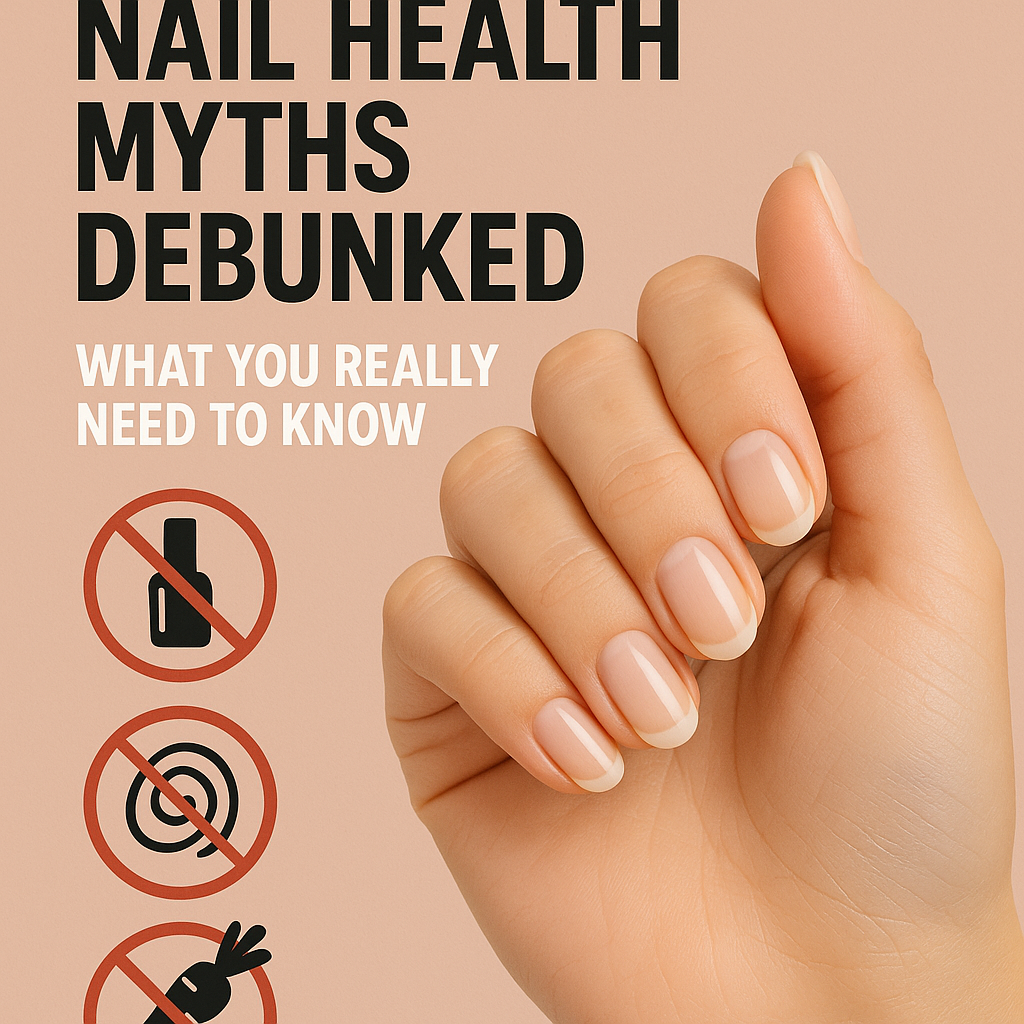
Nail Health Myths Debunked: What You Really Need to Know

Nail health is often overlooked when we think about our overall well-being. Many people are unaware that nails can reveal a lot about our internal health. However, several myths surrounding Nail Care and health circulate in popular culture, leading to confusion and potentially harmful practices. In this article, we’ll debunk common nail health myths and provide you with the clear, evidence-based information you need to keep your nails healthy.
Myth 1: Long Nails Are Always Stronger
Debunked:
It’s a common belief that long nails are a sign of health and vitality. However, long nails can often be more susceptible to breakage, especially if they are thin or have been subjected to routine trauma (e.g., typing, using tools). Nail strength is largely determined by nail quality, which is influenced by diet, genetics, and overall health. Short, well-maintained nails can be just as strong—if not stronger—than long ones.
Recommendation:
Opt for a nail length that is practical for your lifestyle. Keep nails trimmed and shaped properly to minimize breakage, regardless of their length.
Myth 2: You Shouldn’t Get Your Nails Wet
Debunked:
Some believe that frequent exposure to water can weaken nails, leading to splits and tears. While prolonged moisture can soften nails temporarily and make them more prone to damage, regular handwashing and hydration are essential for overall nail and Skin health. Keeping nails dry for long periods can lead to fungal infections rather than strengthening.
Recommendation:
Practice good nail hygiene by washing your hands regularly but make sure to dry them thoroughly. Moisturize your nails and cuticles after washing to keep them healthy.
Myth 3: Nail Products Are Harmful
Debunked:
Another myth suggests that all nail products—including polish, removers, and treatments—are harmful. While some products contain harsh chemicals that can cause damage with prolonged use, many Nail Care products are safe and formulated to promote nail health. It is essential to read labels and opt for products free from toxic ingredients such as formaldehyde, toluene, and dibutyl phthalate.
Recommendation:
Choose quality products that are labeled as “3-Free,” “5-Free,” or even “10-Free,” indicating that they exclude various harmful chemicals. Always research and read reviews before purchasing.
Myth 4: Nails Don’t Need Moisturizing
Debunked:
Just like Skin, nails can become dry and brittle, especially in harsh weather conditions. Many believe that nails are impermeable and thus do not require moisturization. However, dehydrated nails are more vulnerable to splits and breakage.
Recommendation:
Incorporate a good moisturizer or cuticle oil into your routine. Products that contain natural oils, such as jojoba or argan oil, can be particularly effective. Apply it daily to maintain healthy nails.
Myth 5: Filing Nails Causes Damage
Debunked:
There’s a popular notion that filing nails is detrimental to their health. While aggressive filing techniques can harm the nail structure, properly filing nails can help to shape and even strengthen them. The key is to file gently and avoid a back-and-forth motion, which can cause splitting.
Recommendation:
Use a fine-grit file and always file in one direction to avoid damaging the nail. Regular maintenance will keep your nails looking neat without causing harm.
Myth 6: You Can ‘Dig’ Out an Ingrown Nail
Debunked:
Many mistakenly believe they can cure an ingrown nail by simply digging it out. This DIY approach can actually worsen the problem, causing pain, infection, and further nail abnormalities.
Recommendation:
If you suspect you have an ingrown nail, seek professional help. A podiatrist can safely and effectively treat the condition.
Myth 7: Eating Gelatin Will Strengthen Nails
Debunked:
There’s a belief that consuming gelatin can strengthen nails. While it contains collagen, which is beneficial for connective tissues, there’s limited scientific evidence to support this claim regarding nail health specifically.
Recommendation:
Focus on a balanced diet rich in vitamins and minerals to support strong nails—look for foods high in biotin, zinc, and protein, which are essential for nail strength.
Myth 8: You Should Cut Your Cuticles
Debunked:
Cuticles act as a protective barrier for the nail matrix. Cutting them can lead to infections and is generally discouraged. Instead, gentle pushing back of the cuticle can maintain nail health without compromising safety.
Recommendation:
Use a wooden or silicone stick to gently push back cuticles after a warm shower when they are softer. Always hydrate with cuticle oil afterwards.
Myth 9: Nail Biting Is Harmless
Debunked:
Many people think nail-biting is a harmless habit. In reality, it can lead to significant damage, including infections, damaged teeth, and even scarring. Additionally, it can compromise your nails’ health and appearance.
Recommendation:
Identify triggers for nail-biting and consider strategies to distract yourself—like stress balls or fidget toys—to help break the habit.
Myth 10: nail polish Can Cause Your Nails to Discolor
Debunked:
While some nail polishes can stain nails, discoloration is often due to a lack of oxygen and moisture or underlying health issues rather than the polish itself. Using a base coat can minimize the staining effect of colored polishes.
Recommendation:
Always apply a base coat before using colored nail polish to protect your nails from staining.
FAQs
1. How can I improve my nail health?
Focus on a balanced diet rich in vitamins and minerals, moisturize regularly, avoid harsh chemicals, and keep your nails trimmed and filed properly.
2. What should I do if my nails are weak?
Consult a healthcare professional to rule out any underlying health issues and adopt a routine that includes moisturizing your nails and cuticles, avoiding harsh nail products, and using nail strengthening treatments as recommended.
3. Can stress affect my nails?
Yes, stress can lead to habits like nail-biting, which negatively impacts nail health. Additionally, chronic stress can lead to changes in nail texture and integrity.
4. How often should I get a manicure?
It’s generally safe to get a manicure every two weeks, but listen to your nails. If they feel weak or damaged, consider extending the time between visits for recovery.
5. Are there any signs that indicate a serious nail issue?
Any persistent changes in nail color, texture, or shape, as well as signs of pain or infection, warrant a consultation with a healthcare professional. Be proactive about your nail health to prevent minor issues from becoming major problems.
In conclusion, being aware of the truths surrounding nail health can empower you to take better care of your nails. With the right knowledge and practices, you can enjoy beautiful and healthy nails.