At Glowskinhub.com, we believe beauty isn’t just a look—it’s a feeling

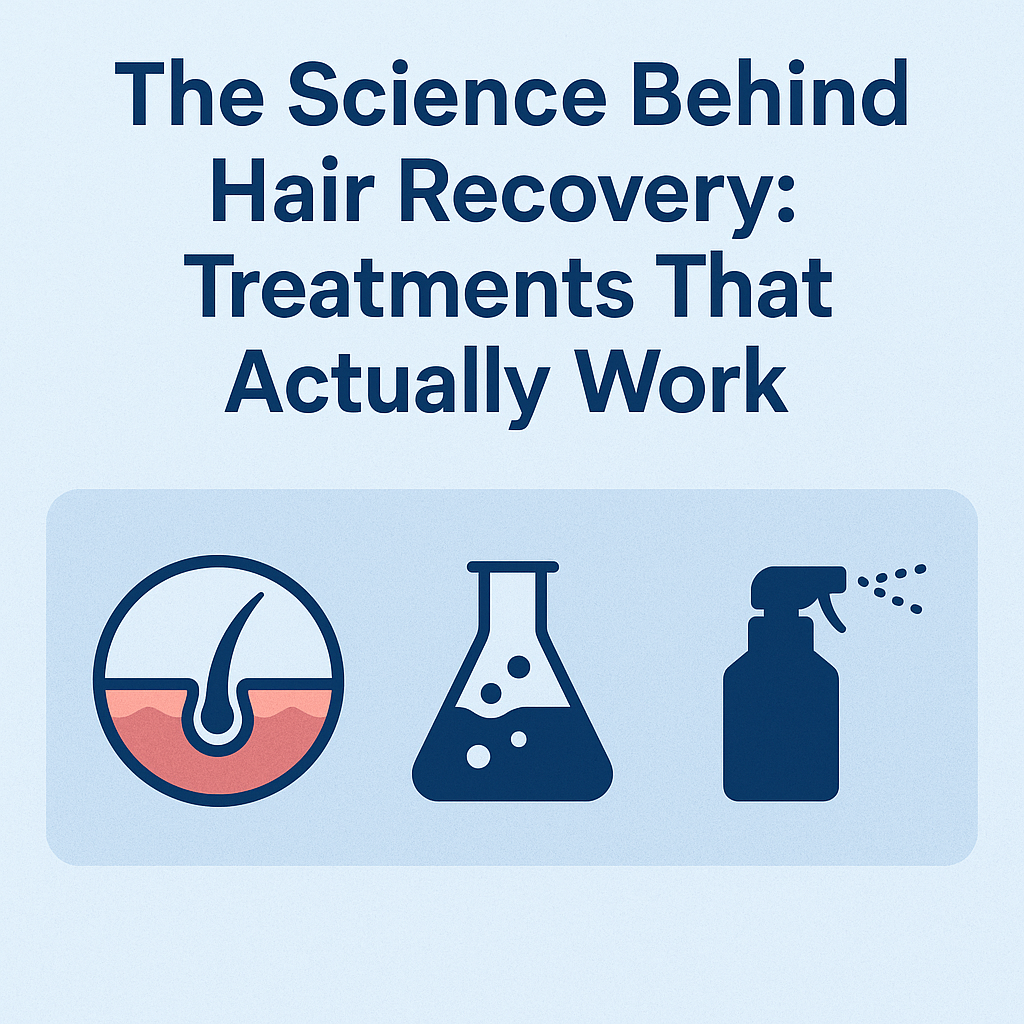
The Science Behind Hair Recovery: Treatments That Actually Work

Hair loss is a common concern affecting millions of people around the world. Whether it’s due to genetics, hormonal changes, stress, or environmental factors, losing hair can be distressing. Fortunately, advancements in medical technology and science have led to effective treatments designed to promote hair recovery. Understanding the science behind these treatments can help you make informed decisions about your hair health. This article explores various methods that have been scientifically proven to aid in hair recovery.
Understanding Hair Loss
The Biology of Hair
Before delving into treatments, it is crucial to understand how hair growth works. Hair follicles go through a cycle of growth (anagen), rest (telogen), and shedding (catagen). Factors such as genetics and hormones can disrupt this cycle, leading to hair thinning or loss. The primary types of hair loss include:
- Androgenetic Alopecia: Commonly known as male or female pattern baldness, this hereditary condition is characterized by gradual thinning of hair.
- Alopecia Areata: An autoimmune condition where the body attacks its own hair follicles, leading to patchy hair loss.
- Telogen Effluvium: Temporary hair shedding triggered by stress, childbirth, or illness.
- Traction Alopecia: Hair loss caused by tight hairstyles that pull on the hair shaft.
Proven Treatments for Hair Recovery
1. Minoxidil
Minoxidil is an over-the-counter topical treatment that has gained popularity for its effectiveness in promoting hair growth. Originally developed as a medication for hypertension, researchers found that it had the side effect of hair regrowth.
How It Works: Minoxidil stimulates hair follicles and increases blood flow to the scalp, promoting hair growth. While it is often effective in individuals with androgenetic alopecia, results can vary.
Usage: For best results, Minoxidil is typically applied directly to the scalp twice daily. Consistency is key, with most users seeing results in three to six months.
2. Finasteride
Finasteride is a prescription oral medication primarily used to treat male pattern baldness but is also prescribed off-label for women.
How It Works: This medication inhibits the conversion of testosterone to dihydrotestosterone (DHT), a hormone responsible for shrinking hair follicles. By reducing DHT levels, Finasteride helps to slow hair loss and promote regrowth.
Usage: Finasteride is generally taken once daily. Users may begin to see effects in three to six months, but long-term commitment is often required.
3. Platelet-Rich Plasma (PRP) Therapy
PRP therapy has emerged as a popular treatment option backed by researched effectiveness. This process involves drawing a small amount of blood, processing it to concentrate the platelets, and then injecting it into the scalp.
How It Works: The growth factors present in platelets contribute to tissue regeneration and promote healing. When injected into the scalp, PRP can stimulate hair follicles and enhance hair thickness.
Usage: Patients typically undergo a series of sessions every few months. Clinical studies show significant improvements in hair density and thickness with PRP therapy.
4. Low-Level Laser Therapy (LLLT)
Low-Level Laser Therapy utilizes low-intensity lasers or light-emitting diodes (LEDs) to stimulate hair growth non-invasively.
How It Works: LLLT improves cellular activity and blood circulation in the scalp, which in turn enhances hair follicle function. Studies have shown that regular LLLT can lead to significant hair regrowth.
Usage: Treatment can be done at home with laser combs or caps, or in a clinical setting. Regular sessions are recommended for noticeable results.
5. Hair Transplantation
For those with significant hair loss, hair transplantation is a surgical option. This method involves extracting hair follicles from areas with dense hair and implanting them in balding areas.
How It Works: The most common techniques are Follicular Unit Transplantation (FUT) and Follicular Unit Extraction (FUE). Both methods reallocate hair from donor sites to patches with thinning or no hair.
Usage: Results can take up to a year as newly implanted follicles settle and grow. A thorough consultation with a certified surgeon is essential for personalized care.
6. Nutritional Supplements
Hair health is intricately linked to nutrition. Deficiencies in essential vitamins and minerals can hinder hair growth.
How It Works: Supplements containing biotin, zinc, iron, and vitamins A, C, D, and E have shown promise in supporting healthy hair growth.
Usage: Combining a balanced diet rich in fruits, vegetables, and proteins with targeted supplements can create a robust foundation for hair recovery.
Lifestyle Modifications for Hair Health
In addition to clinical treatments, certain lifestyle choices can bolster hair health:
- Stress Management: High stress can exacerbate hair loss. Practices such as mindfulness, exercise, and relaxation techniques can help mitigate stress.
- Scalp Care: Regular scalp massages can stimulate blood flow and promote healthier hair follicles.
- Avoiding Harmful Hairstyles: Limiting tight hairstyles can help prevent traction alopecia and minimize hair damage.
FAQs
Q1: How long does it take to see results from hair treatments?
A1: Results can vary based on the treatment type. Generally, topical treatments like Minoxidil may show results in 3-6 months, while hair transplants can take up to a year for full results.
Q2: Are these treatments safe?
A2: Most hair recovery treatments are safe when used as directed. However, it’s essential to consult a healthcare provider to evaluate risks and benefits, particularly with prescription medications like Finasteride.
Q3: Can women use Finasteride?
A3: While it is sometimes prescribed off-label for women, Finasteride can have potential side effects, including hormonal imbalances. Consultation with a healthcare provider is crucial.
Q4: Is PRP therapy painful?
A4: PRP therapy involves needles, and patients may experience mild discomfort. A numbing agent can often be applied to minimize discomfort during the process.
Q5: Can dietary changes affect hair growth?
A5: Absolutely! Nutritional deficiencies can hinder hair growth. A balanced diet rich in essential vitamins and minerals is key to supporting hair health.
Conclusion
Hair recovery requires a multifaceted approach grounded in science. From topical solutions like Minoxidil and Finasteride to advanced therapies like PRP and hair transplantation, there are several options available. The importance of a balanced lifestyle, including stress management and nutritional health, cannot be understated.
If you’re struggling with hair loss, consult with a healthcare professional or a dermatologist to determine the best treatment plan tailored to your specific needs. Understanding the science behind these treatments can empower you to make informed decisions and contribute to healthier hair growth.