At Glowskinhub.com, we believe beauty isn’t just a look—it’s a feeling

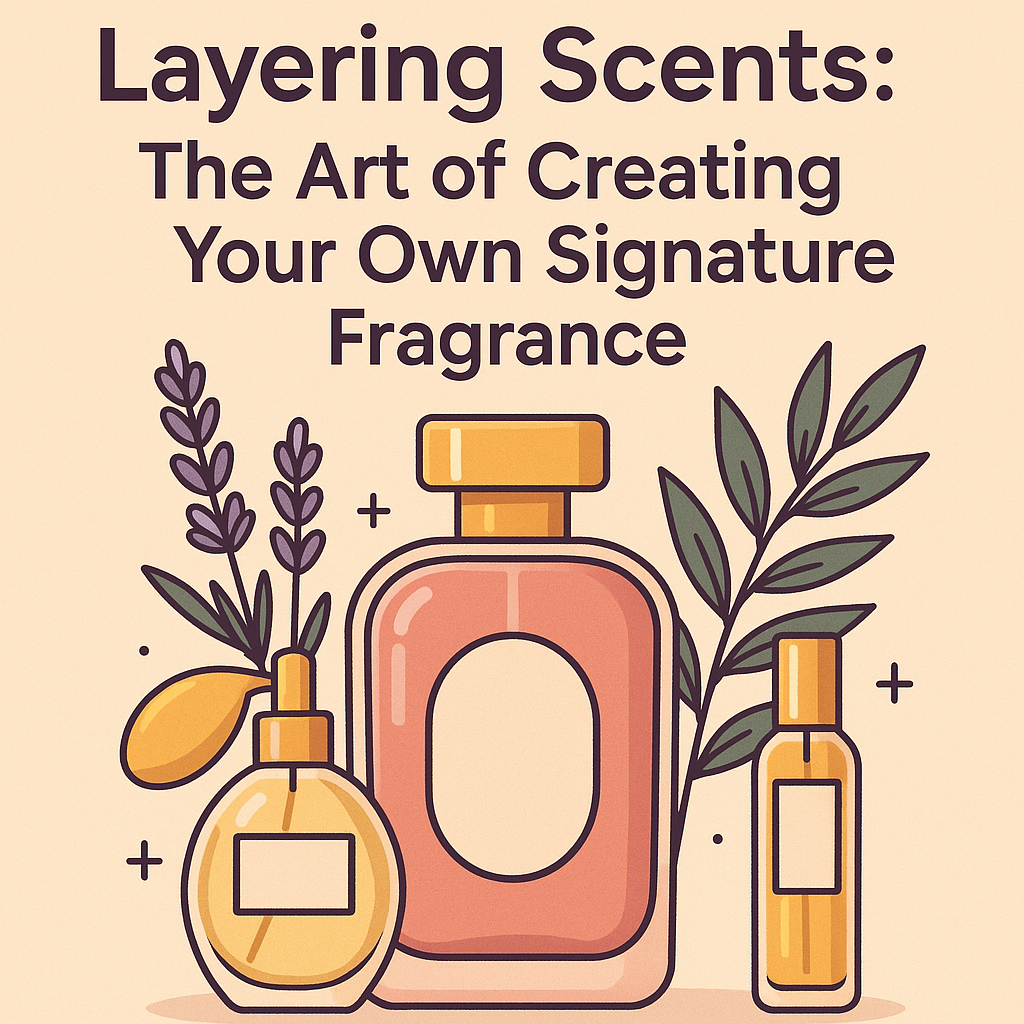
Layering Scents: The Art of Creating Your Own Signature Fragrance

Creating a signature Fragrance is an art form that allows individuals to express their identity, mood, and personality. Just as clothing can reflect style, scent can convey character. One of the most creative ways to develop a unique scent is through the technique of layering fragrances. This practice can elevate your olfactory experience from generic to extraordinary, enabling you to craft a signature scent that is distinctly yours.
The Basics of Fragrance Families
Before diving into scent layering, it’s essential to understand the different Fragrance families. Each family has unique characteristics:
- Citrus: Fresh, zesty notes like lemon, lime, and orange. Ideal for a refreshing and uplifting feeling.
- Floral: Rich, romantic scents that can range from soft to intoxicating. Common florals include rose, jasmine, and lavender.
- Woody: Notes like sandalwood, cedar, and vetiver evoke a sense of earthiness and warmth.
- Oriental: Exotic scents usually featuring spices, resins, and rich materials. Examples include vanilla, amber, and musk.
- Aquatic: Light, oceanic scents that evoke freshness and tranquility.
Understanding these families will help you choose complementary fragrances when layering.
Why Layer Scents?
The practice of scent layering allows you to:
- Personalize: By layering, you can create a Fragrance that speaks to you. This form of self-expression is empowering.
- Versatility: Changing the ratios or combinations allows you to modify your scent for various occasions, moods, or seasons.
- Uniqueness: While many people wear off-the-shelf perfumes, creating a custom blend allows your scent to remain one-of-a-kind.
Steps for Layering Fragrances
1. Start with a Base
Choose a strong base Fragrance that will last. Base notes typically linger the longest; scents like sandalwood, vanilla, or amber are excellent choices. Apply this Fragrance first, allowing it to settle on your Skin.
2. Choose Complementary Notes
Next, select a middle and top note. These should complement your base Fragrance. For instance:
- Woody base: Pair with a floral middle and citrus top.
- Floral base: Go for a fruity middle and a musky top.
Choose lighter scents for top notes, as they will evaporate faster, while more substantial middle notes will help support the base.
3. Mix and Test
Experiment with different ratios to find the perfect balance. Start with small amounts to avoid overpowering your senses. It’s best to apply the scents on your Skin, as Skin chemistry can alter how fragrances interact.
4. Allow for Dry Down
After layering, allow the fragrances to set and evolve. The initial whiff may differ from the dry-down scent—where the Fragrance settles and reveals its true nature.
5. Adjust and Finalize
Once your layered scent has dried down, take note of the combination. Adjust the proportions or try different fragrances as needed until you achieve the desired balance.
Tips for Successful Layering
- Keep it Simple: Start with two or three scents. Overcomplicating your blend can lead to confusion and an overwhelming smell.
- Consider Concentration: Use the same concentration level (e.g., eau de parfum with another eau de parfum) for better blending.
- Limit the Number of Layers: More than three scents can turn into a cacophony of notes rather than a harmonious blend.
- Pay Attention to Environment and Season: Certain fragrances work better in specific settings or weather conditions. Bright citrus scents may feel more appropriate in summer, while warm, spicy scents can be comforting in winter.
Iconic Examples of Layered Fragrances
- Jo Malone London: Renowned for its layering concept, Jo Malone allows customers to create bespoke fragrances with complementary notes.
- Tom Ford: The Private Blend collection encourages combining fragrances for a more personalized scent experience.
- Diptyque: Offers an array of scents that work harmoniously together and invites patrons to layer.
Maintenance and Storage
Proper storage can extend the lifespan of your fragrances. Keep them in a cool, dark place, away from direct sunlight and humidity. This will help preserve their integrity and ensure longer-lasting results.
FAQs
1. Can I layer any types of Fragrance?
While you can technically layer any fragrances, it’s best to stick to complementary families for a harmonious blend.
2. What if I can’t smell my scent after a few hours?
This could be due to “olfactory fatigue,” where your nose becomes accustomed to the scent. Try applying the Fragrance on a pulse point to enhance longevity or refresh during the day.
3. How do I find my signature scent?
Experiment with various bases, middle, and top notes until you discover a combination that resonates with you. Keep a scent journal to record your favorites!
4. Can I layer scented lotions and body sprays?
Yes! Scented lotions and body sprays can be wonderful for adding depth to your layered Fragrance. Just ensure they are complementary to avoid clashing.
5. How should I apply layered fragrances?
Apply the base scent first to pulse points (wrists, behind the ears). Then, add the complementary scents, ensuring each has time to dry and settle before adding the next.
Conclusion
Layering scents is not just about creating pleasing aromas; it’s about crafting an olfactory identity that is uniquely yours. By understanding Fragrance families, experimenting with combinations, and following best practices, you can create a signature Fragrance that stands out in the crowd. Embrace the art of layering and enjoy the endless possibilities it brings to your personal style!