At Glowskinhub.com, we believe beauty isn’t just a look—it’s a feeling

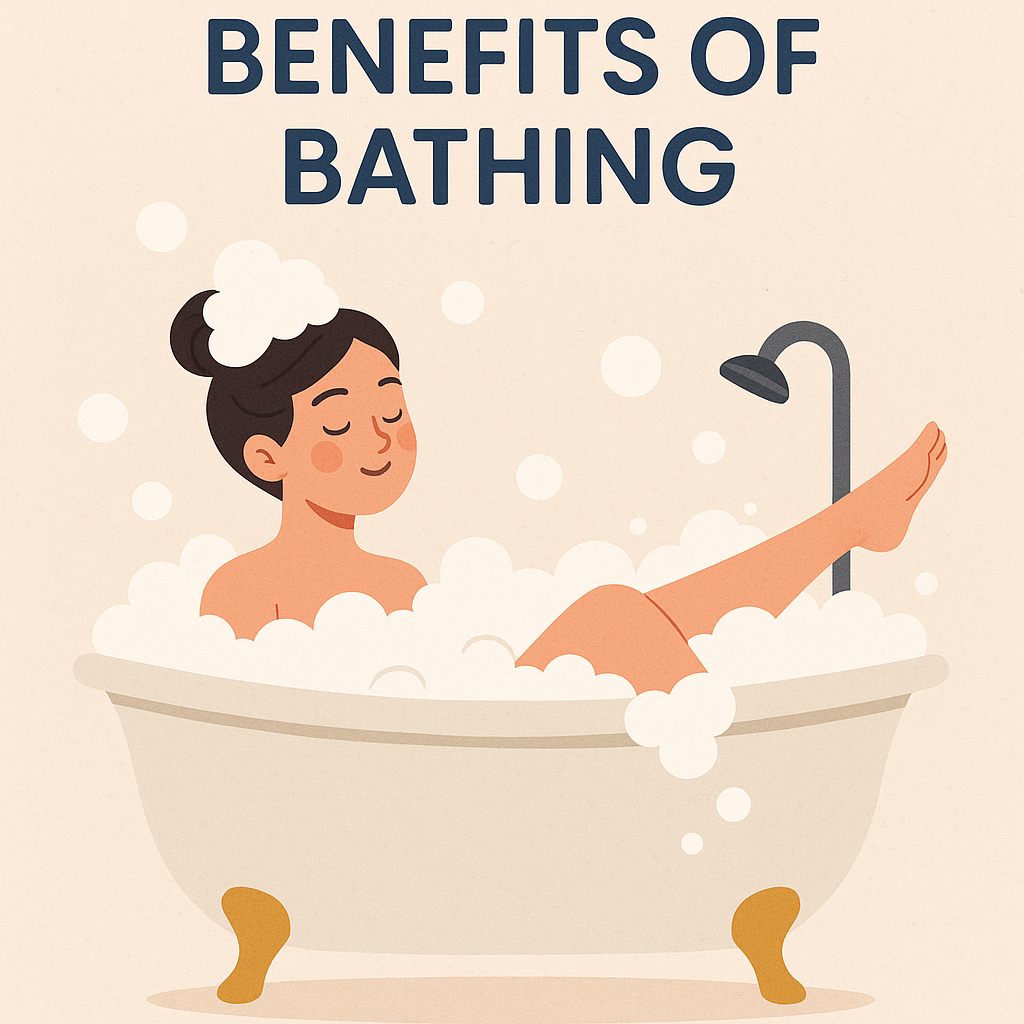
Benefits of Bathing

Bathing is often perceived as a mundane daily routine; however, it transcends far beyond mere hygiene. The art of bathing has been revered in various cultures throughout history, from ancient Roman baths to Japanese onsen experiences. As we dive into the various benefits of bathing, it’s essential to understand how it contributes not only to our physical cleanliness but also to our mental well-being.
Physical Benefits of Bathing
1. Hygiene and Cleanliness
At its most basic level, bathing is crucial for maintaining personal hygiene. Regular bathing helps to eliminate dirt, bacteria, sweat, and dead Skin cells from the body. This practice not only prevents body odor but also reduces the risk of Skin infections.
2. Skin Health
Bathing hydrates the Skin and provides an opportunity to use beneficial products like moisturizers and exfoliators. Warm water can open the pores, allowing for deeper cleansing, while certain bath products can soothe Skin conditions such as eczema and psoriasis.
3. Circulation Improvement
Soaking in warm water can promote better blood circulation. The heat from the bath encourages blood vessels to widen (vasodilation), thereby improving blood flow. Improved circulation can alleviate muscle tension and pain, leaving you feeling rejuvenated.
4. Pain Relief
A warm bath can act as a natural analgesic. It relaxes muscles and alleviates discomfort associated with chronic pain conditions like arthritis or fibromyalgia. The buoyancy of water can also relieve pressure on joints, making movement more comfortable.
5. Detoxification
Bathing, especially in hot water, can facilitate sweating, which helps the body eliminate toxins. This natural detoxification process can purify the Skin and potentially improve overall wellbeing. Some people incorporate Epsom salts for additional detox benefits.
Mental and Emotional Benefits
6. Stress Reduction
Bathing is often considered a sanctuary for relaxation. The act of immersing oneself in warm water can help reduce stress levels by lowering cortisol, the hormone primarily associated with stress. This tranquil environment allows for uninterrupted moments of self-reflection and mindfulness.
7. Enhancing Sleep Quality
A warm bath before bed can significantly improve sleep quality. The warming effect elevates your body temperature, and once you exit the bath, the rapid cooling of your body mimics the natural process of falling asleep. This can signal to your body that it is time to rest.
8. Improved Mood
Taking a bath can stimulate the release of endorphins, the body’s natural mood lifters. This boost can help alleviate anxiety, depression, and feelings of loneliness. Aromatherapy baths, particularly those infused with lavender or chamomile, can further enhance mood through their calming effects.
9. Mindfulness and Reflection
Bathing can serve as a form of meditation. The soothing nature of water provides a quiet space for self-reflection. Engaging in mindfulness while bathing can help you reconnect with yourself, allowing for creative thought and emotional clarity.
Social and Cultural Benefits
10. Cultural Significance
In many cultures, bathing is not only a personal ritual but a social one as well. Community baths or shared bathing experiences can foster social connections and create a sense of belonging. These environments encourage conversation and bonding, linking individuals with their culture and community.
11. Ritualistic Importance
For some, bathing holds ritualistic significance. Whether it’s a morning routine to start the day right or a calming evening practice, these rituals can enhance individuals’ sense of purpose and routine.
Practical Aspects of Bathing
12. Accessibility of Bathing
Bathing can be easily incorporated into one’s daily life, whether through a quick shower or a leisurely soak in the tub. It requires minimal resources and can be adapted to suit individual needs, including those with mobility issues using accessible bath products.
13. Cost-Effective Spa Experience
In our hectic lives, finding time for self-care can be challenging. Bathing at home provides an affordable alternative to spa treatments, allowing you to recreate a soothing spa atmosphere with candles, music, and bath products without breaking the bank.
FAQs About Bathing
Q1: How often should I bathe?
A1: The frequency of bathing often depends on individual lifestyle, activity level, and Skin type. Generally, it’s beneficial to bathe at least a few times a week. People with oily or acne-prone Skin may benefit from more frequent bathing, while those with dry Skin might limit baths to avoid further dryness.
Q2: What are the best temperatures for a bath?
A2: The ideal bathing temperature varies from person to person, but generally, warm water (about 92°F to 100°F or 34°C to 38°C) is preferred. Extreme hot temperatures can lead to dizziness or dehydration, so it’s advisable to stay away from extremely hot baths.
Q3: Are there any risks associated with bathing?
A3: Yes, some risks include slips and falls, especially in slippery bathtubs. Additionally, long exposure to hot water can lead to dehydration. It’s also recommended that individuals with cardiovascular conditions consult a healthcare provider before taking hot baths.
Q4: Can I bath with a bath bomb or oils?
A4: Absolutely! bath bombs and oils can enhance your bathing experience by adding Fragrance and Skin-nourishing properties. However, it’s important to choose products that are free of irritants or allergens, especially if you have sensitive Skin.
Q5: Is there a best time to take a bath?
A5: Many people find evening baths ideal for relaxation and improving sleep quality. However, morning baths can energize and invigorate you for the day ahead. Ultimately, the best time to bathe is when it fits into your schedule and serves your needs best.
In conclusion, the benefits of bathing extend far beyond mere cleanliness. From enhancing physical health and mental well-being to fostering social connections, the act of bathing can significantly improve one’s quality of life. So the next time you immerse yourself in water, remember that you’re not just cleaning yourself; you’re engaging in a timeless ritual that nourishes both body and soul.