At Glowskinhub.com, we believe beauty isn’t just a look—it’s a feeling

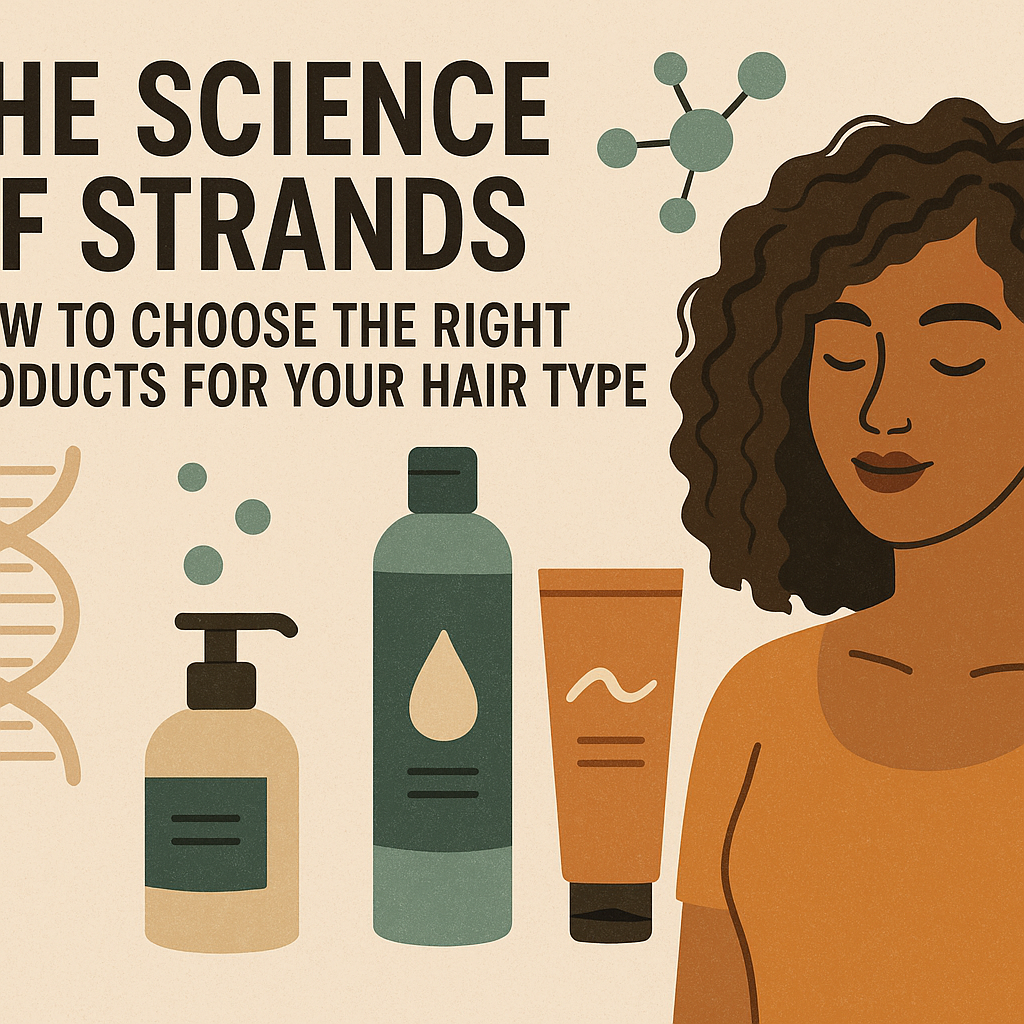
The Science of Strands: How to Choose the Right Products for Your Hair Type

Understanding your hair type is essential to proper Hair Care. It not only influences how your hair behaves but also dictates which products will yield the best results. With the plethora of Hair Care products on the market today tailored to various needs, choosing the right ones can seem overwhelming. This article aims to guide you through the science of hair types and how to select products that best suit your individual needs.
Understanding Hair Type
Hair can generally be categorized based on several factors: texture, density, porosity, and moisture levels. Here’s a closer look at each factor.
1. Texture
Hair texture refers to the thickness or diameter of the individual strands. It can be classified into three main categories:
- Straight: These strands lay flat and have a slick appearance. They typically produce more natural oils, which can lead to greasy roots if not washed properly.
- Wavy: Wavy hair exhibits an S-shape pattern. It can be fine, medium, or coarse and often requires styling products to maintain waves without frizz.
- Curly: Curly hair has a pronounced spiral shape. It often requires more moisture to keep it hydrated and defined, as the natural oils have a harder time traveling down the strand.
- Kinky: Kinky hair is tightly coiled and usually the driest. Like curly hair, it requires ample moisture and special care to maintain health and definition.
2. Density
Density refers to how many strands of hair you have on your scalp. This can affect the type of products you might need:
- Low Density: Finer hair or thinning hair may require lightweight products that won’t weigh it down.
- Medium Density: Most common hair type; can use a variety of products.
- High Density: Thick, voluminous hair may need heavier creams and oils to manage frizz and dryness.
3. Porosity
Porosity refers to how well your hair can absorb moisture. It is typically classified into three categories:
- Low Porosity: Hair that is resistant to moisture, often requiring heat or specific products to hydrate.
- Medium Porosity: This hair type retains moisture well and usually requires regular moisture regimen.
- High Porosity: Hair that absorbs moisture easily but can also lose it just as quickly. High porosity hair often requires protein treatments and heavy moisturization.
4. Moisture Levels
This includes the balance of hydration your hair has. Dry hair often requires moisturizing products, whereas oily hair may need cleansing products that won’t strip essential oils while managing excess sebum.
Choosing the Right Products
Now that you understand your hair type, let’s explore how to choose the right products.
Shampoos and Conditioners
- For Straight Hair: Opt for lightweight, sulfate-free shampoos. Look for conditioners that balance moisture without adding excess weight.
- For Wavy Hair: Use a hydrating shampoo and a conditioner designed to combat frizz while defining waves.
- For Curly Hair: Select sulfate-free, moisturizing shampoos that hydrate curls, combined with rich, creamy conditioners for added definition.
- For Kinky Hair: Look for co-washing products or extremely hydrating shampoos. Conditioning should include rich creams and oils for maximum nourishment.
Styling Products
- For Straight Hair: Lightweight serums or mousses can add volume without making the hair greasy.
- For Wavy Hair: Sea salt sprays or lightweight creams can enhance the wave pattern.
- For Curly Hair: Use curl enhancers, such as gels and creams that provide hold without crunchiness.
- For Kinky Hair: Heavy creams, butters, and oils are essential in defining coils and maintaining moisture.
Treatment Products
- For Low Porosity Hair: Use heat-activated treatments or products with low protein to avoid overload.
- For Medium Porosity Hair: Regular deep conditioning treatments or protein treatments every few weeks can help balance moisture levels.
- For High Porosity Hair: Look for reconstructive treatments rich in proteins and moisture-binding agents like glycerin.
Additional Tips
-
Read Labels: Ingredients matter. Look out for silicones, sulfates, parabens, and alcohols which might strip your hair’s natural moisture.
-
Experiment: Don’t hesitate to try new products; hair types can evolve. Try sample sizes if available.
-
Observe Changes: Pay attention to how your hair reacts to different products over time. Adjust your regimen accordingly.
-
Consult Professionals: If in doubt, consider consulting a hairstylist or trichologist. They can offer tailored recommendations based on a thorough analysis of your hair.
-
Environmental Factors: Consider the climate you live in as weather can greatly affect hair health. Humidity, for example, can require different products than dry climates.
FAQs
1. How often should I wash my hair?
The frequency of washing depends on your hair type. Straight hair might need washing every 1-3 days, while curly and kinky hair might only need washing every 5-7 days to maintain moisture.
2. What’s the difference between a Serum and an oil?
Serums typically provide shine and frizz control, while oils provide deep hydration and seal moisture into the hair.
3. Can I use the same products all year long?
Seasonal changes can necessitate adjustments in your Hair Care products. For example, summer humidity may require lighter products, while winter dryness may require richer hydration.
4. Is it normal for hair to shed?
Yes, losing 50-100 strands of hair per day is normal. However, if you notice a substantial increase, consider consulting a professional.
5. Can I mix products from different brands?
Absolutely! In fact, many people find success in mixing and matching products from different brands to find a regimen that works best for them; just ensure that they are compatible in terms of ingredients.
Conclusion
Selecting the right Hair Care products involves understanding your unique hair type and needs. Whether you have straight, wavy, curly, or kinky hair, you can elevate its health and appearance by using the right products. By educating yourself about your strands, you can ensure you nurture your hair, embracing its natural Beauty while maintaining its health!