At Glowskinhub.com, we believe beauty isn’t just a look—it’s a feeling

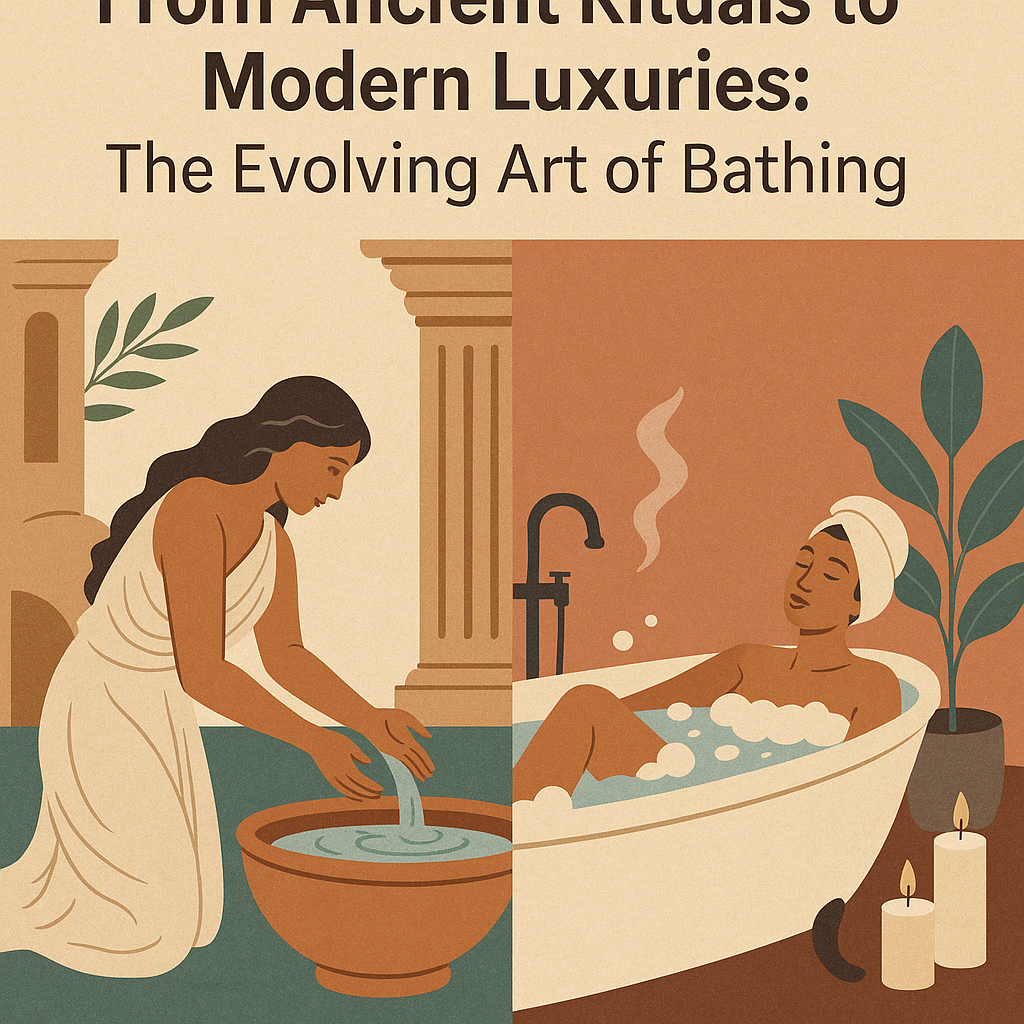
From Ancient Rituals to Modern Luxuries: The Evolving Art of Bathing

Bathing is a ubiquitous practice, ingrained in cultures worldwide as a means of cleansing the body, soothing the mind, and even connecting with spirituality. This seemingly simple act has evolved dramatically over the centuries, shifting from ancient rituals to modern luxuries, reflecting societal norms, technological advancements, and philosophies surrounding health and wellness.
The Origins of Bathing
The history of bathing can be traced back to ancient civilizations, each of which developed unique approaches to the practice. The Babylonians, for instance, were among the first to establish public baths as social and relaxation spaces around 2000 BC. Murals in ancient Egyptian tombs depict bathing rites, highlighting the importance of cleanliness in spiritual traditions and daily life. The Egyptians associated baths with purity and rejuvenation, often using aromatic oils and bathing rituals in their religious practices.
Similarly, the Indus Valley Civilization (around 2500 BC) showcased advanced urban planning with well-constructed drainage systems and public baths, emphasizing their belief in hygiene and communal well-being. Artifacts from ancient Greece reveal the construction of elaborate baths, known as “thermae,” which served as centers for socializing, exercising, and relaxation. Romans later adopted and expanded these bathing practices, creating sprawling bath complexes throughout their empire.
Bathing as Spiritual and Therapeutic Practice
In many cultures, bathing transcended mere hygiene; it became an act of spiritual cleansing. The practice of ritual washings can be observed in various religions. In Hinduism, for example, bathing in sacred rivers is believed to cleanse the soul and erase sins, a tradition that continues today during festivals like Kumbh Mela. Similarly, in Christianity, baptism signifies spiritual purification, reinforcing the connection between water and divine renewal.
Therapeutically, natural hot springs and mineral baths were historically renowned for their health benefits. Ancient cultures, including the Greeks and Romans, praised the healing properties of thermal waters, often integrating them into their daily lives. These practices laid the foundation for modern health retreats and spas, weaving together the concepts of wellness and bathing.
The Rise of Modern Bathing Culture
The Industrial Revolution ushered in significant changes to bathing practices, as urbanization led to the development of public baths and the introduction of indoor plumbing. The late 19th and early 20th centuries saw a surge in interest in personal hygiene, and bathing became a daily routine for the emerging middle class. Bathtubs evolved, featuring iron and porcelain designs, making the luxury of personal bathing accessible to more people.
With the increasing awareness of health and wellness, the mid-20th century saw a rise in spa culture. Wellness retreats gained popularity, incorporating various treatments, including massages, mineral baths, and holistic therapies. The spa experience often combines relaxation and therapeutic benefits, creating an ideal environment for recharging the body and mind.
The Modern Spa Experience
Today, bathing is often viewed as a luxury experience rather than a necessity, turning into a multi-billion-dollar industry that caters to both aesthetics and well-being. High-end spas emphasize unique and innovative bathing experiences, from hydrotherapy and Aromatherapy to Skin treatments and meditation rooms.
Modern spa designs integrate relaxation spaces, featuring soothing decor, ambient lighting, and serene landscapes to provide an oasis away from everyday stressors. Techniques borrowed from various cultures, such as Japanese onsens or Turkish hammams, enhance the bathing experience, offering visitors a chance to explore diverse traditions while indulging in relaxation.
Technological Innovations
In recent years, technology has played a pivotal role in redefining the art of bathing. Smart bathrooms equipped with advanced features enhance the bathing experience, offering options such as adjustable water temperature, pressure control, and built-in sound systems. Luxurious soaking tubs with hydromassage functions transform bathing into an immersive experience.
Moreover, innovations such as Aromatherapy diffusers and water filtration systems contribute to a holistic approach to bathing, making the experience not just a visual escape but also a sensory journey that promotes well-being. The rise of wellness apps and guided meditation also reflects the shift towards integrating mental health into the bathing experience.
Sustainability in Bathing
As society increasingly focuses on sustainability, the art of bathing is also adapting. Eco-friendly spas and wellness centers are promoting water conservation practices, utilizing natural products, and sourcing locally. Innovations like tub-less bathing experiences and environmentally friendly materials are gaining traction, ensuring that the act of bathing evolves with consciousness toward ecological impact.
Bathing as a Form of Self-Care
In contemporary society, self-care has become an essential aspect of maintaining mental health. People are now embracing bathing as a pivotal part of their self-care routines, recognizing its calming and restorative benefits. The act of soaking in a warm bath can serve as a form of meditation, allowing individuals the time to unwind, reflect, and reset.
The popularity of bath rituals at home is skyrocketing, with products like bath bombs, salts, and luxurious soaps becoming staples in many households. This resurgence of personal rituals emphasizes the therapeutic elements of bathing, reinforcing its significance in the pursuit of overall well-being.
Conclusion
The evolution of bathing reflects broader societal changes throughout the ages. From sacred rituals in ancient civilizations to modern luxuries designed for relaxation and self-care, the art of bathing continues to adapt and thrive. As we move forward, the integration of technology, sustainability, and holistic wellness principles will likely shape the future of this ancient ritual, ensuring that bathing remains a cherished practice across cultures and generations.
FAQs
1. Why is bathing important?
Bathing is important for personal hygiene, mental well-being, social interaction, and spiritual cleansing in various cultures. It promotes relaxation, reduces stress, and provides a sanctuary for self-care.
2. How often should I bathe?
The frequency of bathing varies per individual preference, lifestyle, and personal hygiene needs. Generally, bathing several times a week is sufficient for most people, while others may prefer daily baths or showers.
3. What are the benefits of bathing?
Bathing offers numerous benefits, including improved Skin condition, relaxation of muscles, enhanced mood, and a sense of tranquility. It can also aid in mindfulness and stress relief.
4. What are some eco-friendly bathing products?
Eco-friendly bathing products include natural soaps, biodegradable bath bombs, and organic essential oils. Look for certifications like vegan, cruelty-free, and chemical-free to ensure sustainability.
5. Can bathing be considered a form of self-care?
Absolutely! Bathing can be a vital aspect of self-care, providing time for relaxation and mental rejuvenation. Integrating bath rituals into your routine can help maintain balance and promote overall well-being.