At Glowskinhub.com, we believe beauty isn’t just a look—it’s a feeling

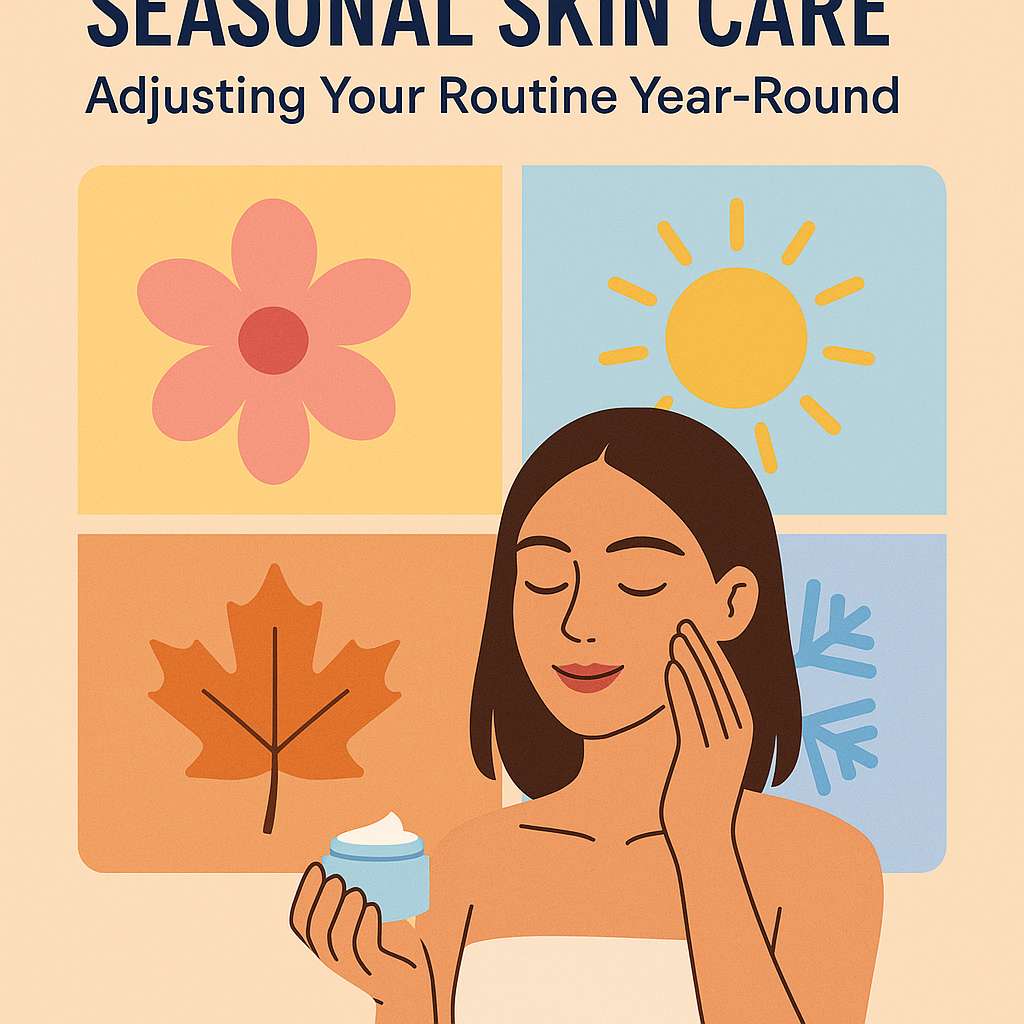
Seasonal Skin Care: Adjusting Your Routine Year-Round

Your Skin is a living, breathing organ that interacts dynamically with its environment. As the seasons change, so too should your Skin care routine. The fluctuations in temperature, humidity, and even sunlight can impact your Skin’s hydration levels, sensitivity, and overall health. That’s why adjusting your Skin care regimen according to the seasons is not only beneficial but vital for maintaining Skin health. This article delves into how to adapt your Skin care routine throughout the year.
Spring: Renewal and Refresh
As winter bids farewell and spring ushers in warmer temperatures, it’s the perfect time for renewal.
Changes to Incorporate:
-
Gentle Exfoliation: Winter often leaves Skin dry and flaky. In spring, incorporate gentle exfoliants with ingredients like AHAs (glycolic acid) or BHAs (salicylic acid) to slough off dead Skin cells, revealing brighter Skin.
-
Lightweight Moisturizers: Consider switching to a lighter moisturizer if your winter cream was heavy and rich. Look for gel-based formulas that hydrate without weighing your Skin down.
-
sunscreen is Key: With longer days and increased sun exposure, apply a broad-spectrum sunscreen with at least SPF 30 every day, even on cloudy days.
-
Hydrating Ingredients: Look for products that include hyaluronic acid, glycerin, and aloe vera to maintain Skin hydration as temperatures rise.
Summer: Protect and Hydrate
Summer brings increased UV exposure and humidity, making sun protection and hydration imperative.
Changes to Incorporate:
-
Broad-Spectrum sunscreen: As you spend more time outdoors, a water-resistant sunscreen becomes essential. Remember to reapply every two hours, especially if swimming.
-
Lightweight, Non-Comedogenic Products: Thick creams can lead to clogged pores during hot weather. Opt for non-comedogenic formulas to prevent breakouts.
-
Antioxidants: Incorporate antioxidants like vitamin C into your routine, as they help combat UV damage and free radicals.
-
Hydration from Within: Alongside topical hydration, drink plenty of water and incorporate hydrating fruits like watermelon and cucumber into your diet.
Fall: Repair and Nourish
With summer fading and cooler air settling in, fall is a time to repair and nourish the Skin after sun exposure.
Changes to Incorporate:
-
Retinol: This is the season to introduce retinol or retinoids into your routine to help with Skin renewal and reversing sun damage.
-
Creamy Moisturizers: As humidity drops, your Skin will need more hydration. Switch to richer creams containing ingredients like shea butter, ceramides, or peptides.
-
Hydrating Masks: Incorporating hydrating masks once or twice a week can help restore moisture and repair the Skin barrier.
-
Avoid Hot Showers: Though tempting in cooler weather, hot water can strip natural oils from your Skin. Opt for lukewarm water instead.
Winter: Protect and Repair
Winter’s cold and dry weather can severely impact your Skin. Focusing on protection and repair during this season is crucial.
Changes to Incorporate:
-
Ointments and Oils: Transition to thicker ointments or oils that create a protective barrier against moisture loss. Products containing squalane, jojoba oil, or coconut oil can be beneficial.
-
Humidifiers: Using a humidifier in your home can help maintain moisture in the air, preventing Skin from becoming excessively dry.
-
Gentle Cleansers: Avoid harsh cleansers and opt for cream-based or oil-based cleansers that don’t strip the Skin of its natural oils.
-
Night Care: Switch to a heavier night cream and consider using a nourishing sleeping mask to lock in hydration overnight.
The Importance of Patch Testing
As seasons change, so should the ingredients in your products. However, introducing new products can sometimes lead to irritation, particularly when your Skin isn’t accustomed to certain active ingredients. Always patch test new products on a small area of Skin and wait 24-48 hours to see if any reaction occurs before applying it to your face.
FAQs
1. Why is it important to change my Skin care routine seasonally?
Seasonal changes bring different environmental factors that can affect your Skin’s hydration, texture, and overall health. Adjusting your routine helps ensure that your Skin remains balanced and protected throughout the year.
2. How do I know which products to choose for each season?
Focus on your Skin type and the current environmental conditions. For example, opt for lighter products in the summer and heavier, more nourishing products in the winter. Always look for ingredients that nourish your Skin during that particular season.
3. Can seasonal allergies affect my Skin?
Yes, allergies can lead to various Skin issues such as rashes, eczema, and increased sensitivity. Consulting a dermatologist about your Skin care routine during allergy seasons can provide you with tailored advice.
4. Is it okay to use the same sunscreen year-round?
While certain sunscreens are effective year-round, during summer, you may want a water-resistant formula, while in winter, a more hydrating option can be beneficial. Be mindful of your environment and adjust accordingly.
5. How often should I exfoliate?
In general, exfoliating 1-2 times a week is sufficient for most Skin types. However, your Skin may need more or less frequent exfoliation depending on the season and its current condition.
In conclusion, adapting your Skin care routine to the changing seasons is essential for maintaining healthy, glowing Skin all year round. By understanding how each season impacts your Skin, you can make informed choices about products and routines, ensuring your Skin remains vibrant and resilient no matter the weather outside.