At Glowskinhub.com, we believe beauty isn’t just a look—it’s a feeling

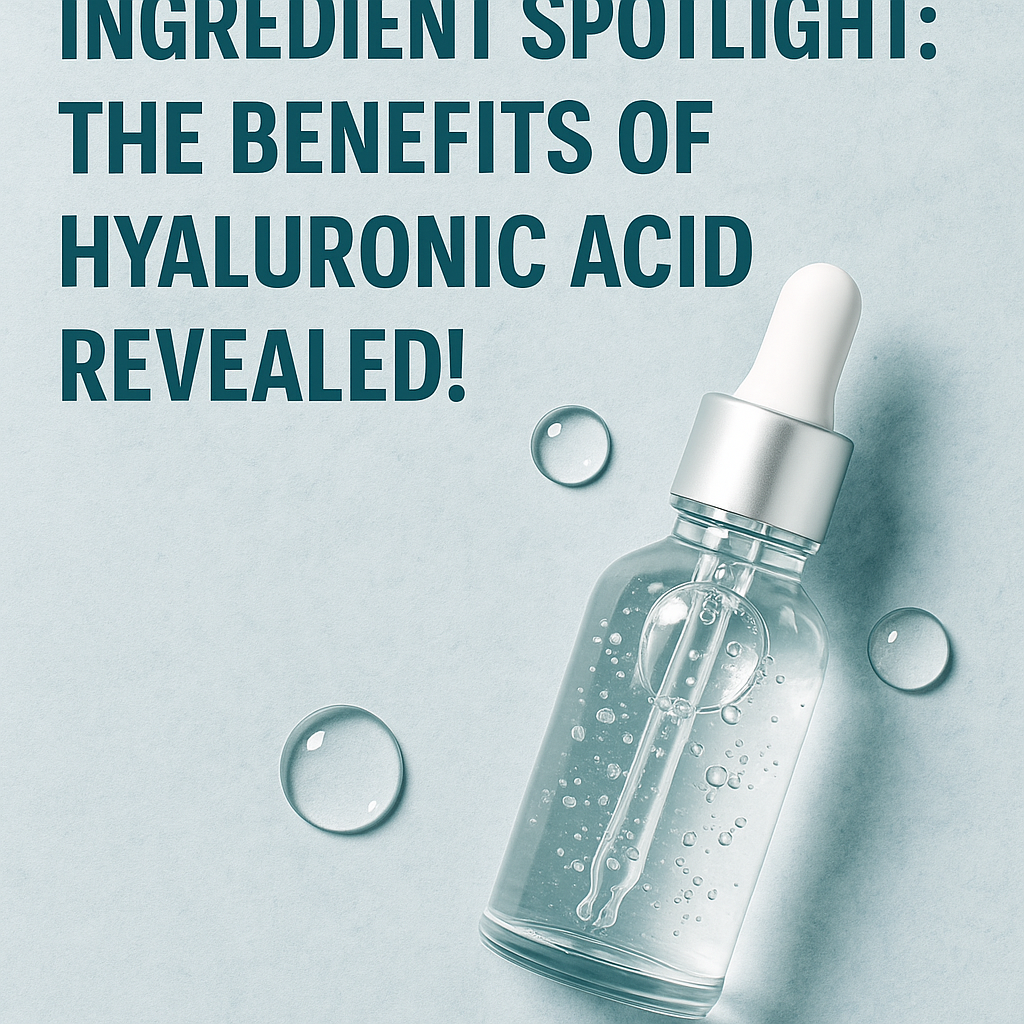
Ingredient Spotlight: The Benefits of Hyaluronic Acid Revealed!

In the realm of skincare, hyaluronic acid (HA) has achieved a near-mythical status. Touted for its remarkable hydrating properties and multifunctional benefits, this ingredient has made its way into serums, moisturizers, and even certain makeup products. In this article, we will delve deep into the world of hyaluronic acid, examining its benefits, how it works, and why it should be a staple in your skincare routine.
What is Hyaluronic Acid?
Hyaluronic acid is a naturally occurring glycosaminoglycan— a type of molecule that holds onto moisture in the Skin. It’s found in connective tissues, Skin, and even in the eyes. The prefix “hyalur” comes from hyalos, the Greek word for glass, which suggests the clear, gel-like consistency of this compound.
When applied topically or ingested, hyaluronic acid interacts with the Skin’s moisture retention processes. It can hold up to 1,000 times its weight in water, making it an incredibly effective hydrating agent.
The Multifaceted Benefits of Hyaluronic Acid
1. Exceptional Hydration
The most lauded benefit of hyaluronic acid is its ability to deliver intense hydration. By attracting and retaining moisture in the Skin, it helps maintain optimal hydration levels, making the Skin appear plump, smooth, and youthful.
2. Enhanced Skin Elasticity
As we age, our Skin loses its natural elasticity due to a decrease in collagen and elastin production. Hyaluronic acid can aid in enhancing Skin elasticity by providing the moisture necessary for the production of these vital proteins, resulting in a firmer appearance over time.
3. Minimization of Fine Lines and Wrinkles
One of the tell-tale signs of aging is the appearance of fine lines and wrinkles. Studies have shown that regular application of hyaluronic acid can significantly diminish the visibility of these imperfections. This occurs because well-hydrated Skin is more resilient and less prone to creasing or sagging.
4. Wound Healing Properties
Hyaluronic acid also plays a crucial role in wound healing. It’s often used in skincare products designed for sensitive or damaged Skin. By promoting Skin repair and creating an optimal environment for healing, hyaluronic acid can facilitate faster recovery from cuts, abrasions, and even acne.
5. Reducing Redness and Inflammation
For those who struggle with sensitive Skin, rosacea, or general redness, hyaluronic acid can be a soothing agent. Its hydrating properties help reduce inflammation and calming any irritation, which makes it an excellent choice for sensitive Skin types.
6. Compatibility with Other Ingredients
One of the most commendable features of hyaluronic acid is its compatibility with other skincare ingredients. It works harmoniously with vitamins, peptides, and other enhancing agents, maximizing the effectiveness of your entire skincare routine.
7. Non-Comedogenic Nature
Unlike many heavy oils and creams, hyaluronic acid is lightweight and non-comedogenic. This means it won’t clog your pores or cause breakouts, making it suitable for all Skin types, including oily and acne-prone Skin.
8. Multiple Forms Available
Hyaluronic acid comes in various molecular weights, meaning it can penetrate different layers of the Skin. Larger molecules form a protective barrier on the Skin’s surface, while smaller molecules can dive deeper, providing hydration at multiple levels.
How to Incorporate Hyaluronic Acid into Your skincare Routine
-
Layering: Apply hyaluronic acid on freshly cleansed Skin. The water content in your Skin enhances absorption. Follow with a moisturizer to lock in hydration.
-
Serums: Look for serums containing at least 1% hyaluronic acid. These are generally more concentrated and allow for better penetration.
-
Hydrating Masks: Use hyaluronic acid-infused masks once or twice a week for an added moisture boost.
-
Eye Creams: Many specialized eye creams utilize hyaluronic acid for addressing dryness and fine lines in the delicate eye area.
-
Always Apply to Damp Skin: This is crucial—always apply hyaluronic acid to damp Skin to maximize its moisture-retaining abilities.
Frequently Asked Questions (FAQs)
Q1: Can hyaluronic acid be used on oily Skin?
Absolutely! Hyaluronic acid is lightweight and non-comedogenic, making it suitable for oily and acne-prone Skin. It hydrates without clogging pores.
Q2: How often should I use hyaluronic acid?
You can apply it daily, either once or twice a day, depending on your skincare routine. It’s versatile and can be used in both morning and evening regimens.
Q3: Is hyaluronic acid safe during pregnancy?
Yes, hyaluronic acid is generally regarded as safe during pregnancy. However, it’s always best to consult your healthcare provider for personalized advice.
Q4: Can I layer hyaluronic acid with other skincare ingredients?
Yes, hyaluronic acid pairs well with almost all other skincare ingredients. Just ensure you layer it in the correct order—typically after cleansing and before heavier creams.
Q5: Will hyaluronic acid cause irritation?
Hyaluronic acid is not known for causing irritation and is suitable for most Skin types, including sensitive Skin. However, everyone’s Skin is different, so patch testing is always a good idea.
Q6: Does hyaluronic acid have an expiration date?
Yes, like most skincare ingredients, hyaluronic acid does expire. Typically, it remains effective for 1-2 years from the date of opening.
Conclusion
Hyaluronic acid is a powerhouse ingredient that delivers not only hydration but a multitude of benefits for the Skin. Whether you’re looking for ways to slow the aging process, improve Skin texture, or simply boost hydration, this superstar ingredient is worth incorporating into your skincare routine. With its light texture and remarkable results, hyaluronic acid is destined to remain a staple in both professional and at-home skincare regimens for years to come.