At Glowskinhub.com, we believe beauty isn’t just a look—it’s a feeling

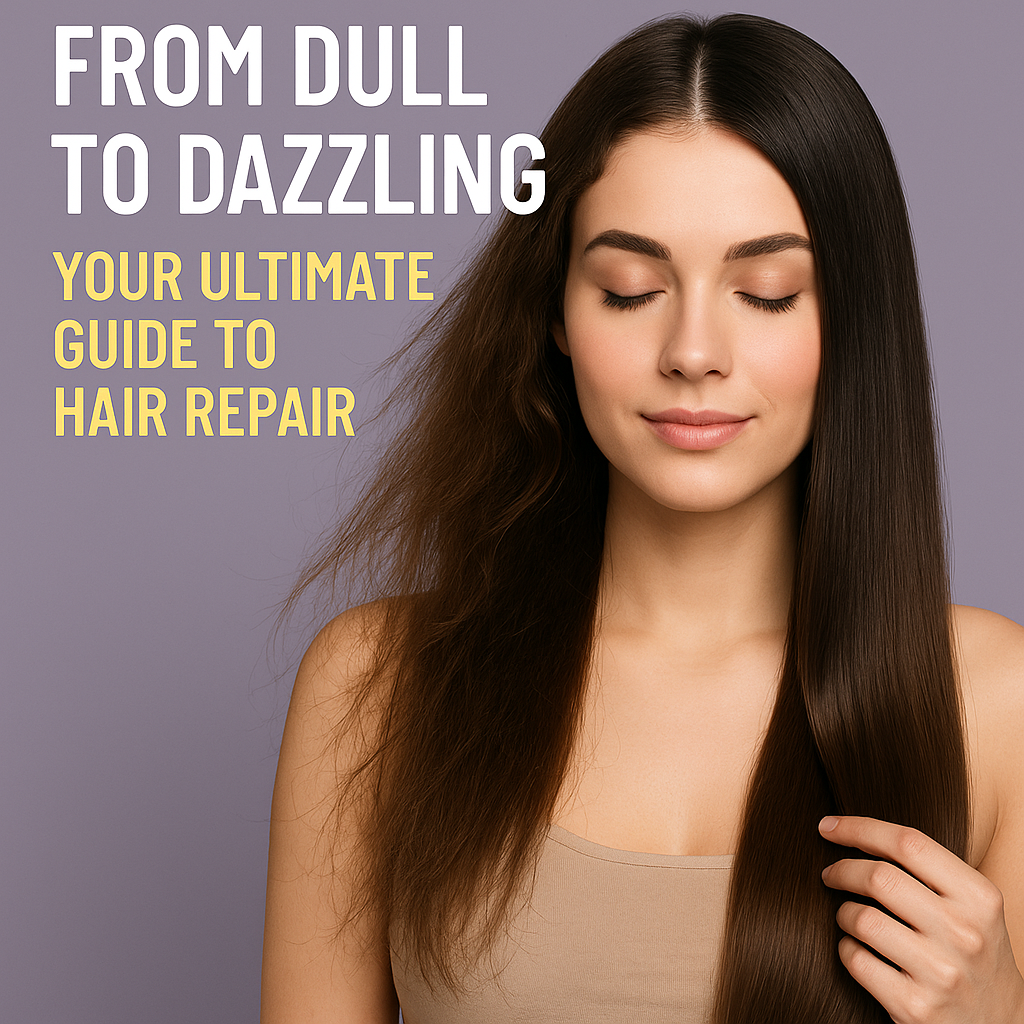
From Dull to Dazzling: Your Ultimate Guide to Hair Repair

Introduction
Hair is often referred to as a person’s crowning glory, and for good reason. It plays a significant role in our overall appearance and self-esteem. However, factors such as environmental stressors, heat styling, chemical treatments, and inadequate nutrition can lead to damaged hair that appears dull, brittle, and lifeless. If your hair is in need of some TLC, this comprehensive guide will provide you with practical tips and treatments to transform your tresses from dull to dazzling.
Understanding Hair Damage
Before diving into repair methods, it’s crucial to understand the different types of hair damage:
- Mechanical Damage: Caused by excessive brushing, combing, or harsh hairstyles that pull on the hair.
- Chemical Damage: Resulting from hair dye, perming, or relaxing treatments that alter the hair’s structure.
- Heat Damage: Due to frequent use of heat styling tools such as flat irons, curling wands, and blow dryers.
- Environmental Damage: Exposure to sun, wind, and pollution that can strip moisture from hair.
- Nutritional Deficiencies: Lack of essential vitamins and minerals in your diet can weaken your hair.
Step 1: Assess Your Hair Type
Understanding your hair type and its specific needs is essential for a tailored repair strategy. Consider the following:
- Texture: Straight, wavy, curly, or coily.
- Porosity: Determines how well your hair absorbs and retains moisture. Low porosity hair repels moisture, while high porosity hair absorbs it but struggles to retain it.
- Thickness: Fine, medium, or thick hair may require different treatments.
Step 2: Follow a Gentle Hair Care Routine
A gentle approach to Hair Care can significantly reduce the risk of further damage:
-
Switch to a Sulfate-Free shampoo: Sulfates can strip your hair of its natural oils. Visit dermatologists or even your stylist for recommendations.
-
conditioner is Key: Invest in a high-quality conditioner that suits your hair type. Conditioning is crucial for detangling and adding moisture.
-
Limit Wash Days: Washing your hair too frequently can lead to dryness. Aim to wash your hair 2-3 times a week, incorporating dry shampoo for in-between days.
-
Gentle Towel Drying: Instead of rubbing your hair with a towel, gently blot it to remove excess water. Consider using a microfiber towel or an old t-shirt to minimize friction.
-
Opt for a Wide-Tooth Comb: When your hair is wet (more vulnerable to breakage), use a wide-tooth comb to detangle.
Step 3: Trim Regularly
Regular trims are essential for minimizing split ends and promoting healthier-looking hair. Aim for a trim every 6-8 weeks, or sooner if your hair is particularly prone to damage. Taking off just an inch can refresh your look and encourage growth.
Step 4: Nourish Your Hair
Deep Conditioning Treatments: Incorporate deep conditioning treatments into your routine at least once a week. Look for products rich in natural oils, proteins, and vitamins. DIY masks made from ingredients like avocados, honey, and olive oil can also work wonders.
Essential Oils: Essential oils like argan, jojoba, and coconut oil not only provide moisture but also create a protective barrier for your hair. Apply them to damp hair or use them as a finishing touch on styled hair.
Hair Supplements: Talk to a healthcare provider about incorporating hair supplements containing biotin, collagen, and vitamins A, C, D, E, and other minerals like zinc into your diet for overall hair health.
Step 5: Use Heat Sparingly
If you can’t bear to part with your heating tools, practice heat protection:
-
Heat Protectant: Always apply a heat protectant spray or Serum before using heat styling tools.
-
Lower the Temperature: Use the lowest effective setting on your styling tools to minimize damage.
-
Air Dry When Possible: Let your hair air dry instead of blow-drying, or use a diffuser attachment on low heat if you must use a dryer.
Step 6: Embrace Natural Styles
Give your hair a break from heat styling whenever you can. Embrace natural hairstyles, braids, or buns that require minimal manipulation. Look for inspiration online for protective hairstyles that keep your hair tucked away from damage.
Step 7: Love Your Scalp
Healthy hair starts with a healthy scalp. Regular massages can stimulate blood flow and encourage hair growth. You can also try exfoliating your scalp with gentle scrubs designed for this purpose, which can help remove buildup and promote a healthier environment.
Step 8: Be Mindful of External Factors
Your environment plays a significant role in hair health. Here are some tips to protect your hair from external damage:
- Wear a Hat: Protect your hair from sun exposure which can lead to dryness and color fading.
- Shower Cap: Use a shower cap when swimming in chlorinated pools to prevent chemical damage.
- Indoor Humidity: Use a humidifier indoors to combat dry air, especially in the winter.
Conclusion
Restoring your hair from dull to dazzling is possible with a consistent and attentive care routine. By assessing your hair type, nurturing with the right products, and making small lifestyle changes, you can achieve the gorgeous, healthy hair you desire. Remember, patience is key—just as with any Beauty regimen, results take time!
FAQs
1. How quickly will I see results from a new Hair Care routine?
Results vary depending on individual circumstances, but you may start to notice improvements in hair texture and appearance within 4-6 weeks of consistent care.
2. Can I repair split ends?
While you can’t actually repair split ends, you can minimize their appearance by trimming them regularly and using nourishing treatments.
3. Are all hair treatments safe for color-treated hair?
Not all treatments are safe for color-treated hair. Always look for products specifically labeled as safe for chemically treated hair.
4. How often should I do a deep conditioning treatment?
Aim for deep conditioning treatments once a week or bi-weekly depending on your hair’s needs and damage level.
5. Can I use heat styling tools on wet hair?
No, it is not advisable to use heat styling tools on wet hair as it increases the risk of severe damage. Always ensure your hair is completely dry before styling.
Embrace your hair journey! With dedication, your hair can radiate health and shine once again.