At Glowskinhub.com, we believe beauty isn’t just a look—it’s a feeling

Debunking Myths: What Really Works for Flawless Skin

Achieving flawless Skin is a quest that many undertake, often fueled by countless myths and sensationalized marketing claims. In a world where information is abundant but often misleading, it’s essential to sift through the noise and understand what genuinely works for maintaining healthy, radiant Skin. Let’s dispel some common myths and shine a light on methods backed by science.
Myth 1: You Only Need to Wash Your Face Once a Day
Truth: Many believe that washing their face just once daily is sufficient, but this is misleading. Proper facial hygiene is crucial to preventing breakouts and maintaining Skin health. Ideally, you should wash your face twice a day—once in the morning to remove excess oil and debris accumulated overnight and once at night to cleanse away makeup and pollutants from the day. However, the key is to choose the right cleanser suited for your Skin type to avoid stripping away natural oils.
Myth 2: High SPF is Always Better
Truth: While it is essential to use sunscreen to protect against harmful UV rays, there is a common misconception that higher SPF always means better protection. SPF 30 blocks about 97% of UVB rays, while SPF 50 blocks about 98%. The difference is minimal, and what’s more important is consistent application, reapplication every two hours, and covering all exposed areas. Additionally, using other forms of sun protection—like wearing protective clothing and seeking shade—enhances protection.
Myth 3: Chocolate and Greasy Foods Cause Acne
Truth: Diet is often blamed for Skin issues, with chocolates and greasy foods at the top of the list. However, recent studies reveal that there is no direct link between these foods and acne for most people. Acne is primarily caused by a combination of hormonal changes, bacteria, and excess oil production. While a balanced diet contributes to overall Skin health, indulging in a piece of chocolate or fries isn’t likely to cause breakouts unless you notice a personal correlation.
Myth 4: You Only Need to Moisturize Oily Skin with Water-Based Products
Truth: Many people with oily Skin avoid moisturizers, thinking they need to let their Skin ‘dry out’ to reduce oil. However, oily Skin can still be dehydrated. The misconception lies in the idea that oily Skin doesn’t require moisture. Instead, using a lightweight, oil-free moisturizer can regulate oil production and keep your Skin nourished without adding additional oil.
Myth 5: Natural Products Are Always Better for Your Skin
Truth: While natural products may seem more appealing, ‘natural’ doesn’t always mean safer or more effective. Some natural ingredients can cause allergic reactions or irritation. Additionally, many synthetic products are formulated with effective compounds that have been rigorously tested for safety and efficacy. It’s crucial to read ingredient labels and choose products based on your Skin’s needs rather than their ‘natural’ status.
Myth 6: Exfoliation is Harmful and Should be Avoided
Truth: Exfoliation is a critical step in maintaining healthy Skin but often comes under scrutiny. The misconception that exfoliation is harmful arises from over-exfoliation or improper techniques. Regular exfoliation helps remove dead Skin cells, unclog pores, and promote cell turnover. The key is to find the right balance and frequency based on your Skin type—gentle exfoliation two to three times a week is generally beneficial.
Myth 7: The More Expensive the Product, the Better the Results
Truth: The price tag of a skincare product does not necessarily correlate with its effectiveness. While premium brands may use high-quality ingredients, many drugstore products are just as effective at a fraction of the cost. It is essential to focus on ingredient efficacy and personal Skin needs rather than the brand reputation or price.
Myth 8: If You Have Clear Skin, You Don’t Need Skincare
Truth: Even those with flawless Skin require a skincare routine. Prevention is key to maintaining Skin health. Skipping routine care exposes Skin to environmental factors that can cause long-term damage leading to premature aging or other Skin issues. A basic regimen including cleansing, moisturizing, and sun protection should be maintained.
Myth 9: You Don’t Need To Start Anti-Aging Products Until You’re Older
Truth: The foundation for healthy Skin, including anti-aging benefits, starts early. While the visible signs of aging might not appear until later, preventive measures should begin in your 20s. Incorporating antioxidants and hydration products can help fight free radical damage, keeping your Skin looking youthful longer.
Myth 10: Makeup Causes Skin Problems
Truth: While makeup can potentially contribute to Skin issues if not removed properly, it’s not the primary cause of Skin problems. Many makeup products available today are non-comedogenic (won’t clog pores) and specifically designed to be safe for the Skin. It’s essential to choose quality products and always cleanse your face before bed.
Conclusion
Understanding your Skin and debunking the myths surrounding skincare is crucial for achieving and maintaining flawless Skin. While products and routines often vary based on individual Skin types and needs, relying on scientifically-backed methods can lead to better results. Always consult with dermatologists or skincare professionals for tailored advice, and remember, consistency is key to any successful skincare regimen.
FAQs
1. How often should I change my skincare routine?
It’s best to re-evaluate your skincare routine every few months or when experiencing new Skin issues, but significant changes should be made gradually to avoid irritating your Skin.
2. What is the best way to identify my Skin type?
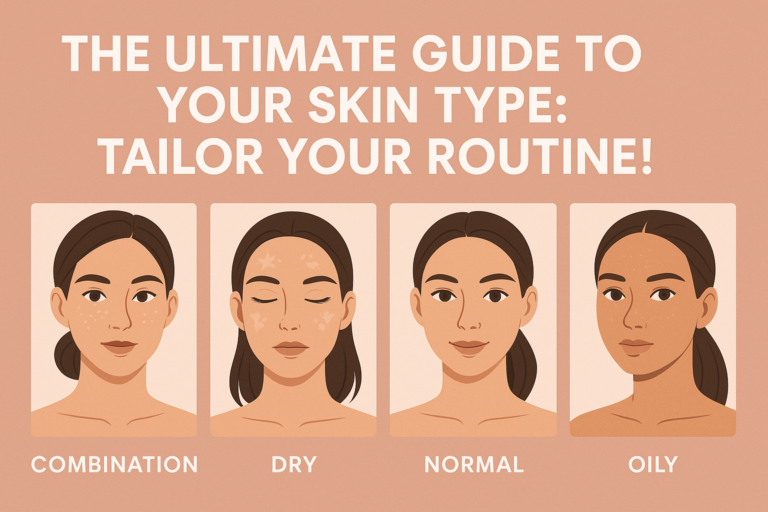
A simple way to identify your Skin type is to wash your face and wait for an hour without applying any products. The result—whether your Skin feels oily, dry, combination, or sensitive—will help you determine your Skin type.
3. Can I use natural oils on my Skin?
Yes, many natural oils are beneficial for Skin care. However, be cautious and perform a patch test first to ensure you do not have an adverse reaction, particularly if you have sensitive or acne-prone Skin.
4. Is it too late to start a skincare regimen?
It’s never too late to start a skincare routine. Implementing a good regimen can improve Skin health at any age, though the earlier you begin, the better the preventative effects.
5. How important is hydration for my Skin?
Hydration is crucial for overall Skin health. Proper hydration helps maintain elasticity, prevents dryness, and can minimize the appearance of fine lines and wrinkles. Aim to drink plenty of water and use moisturizers suitable for your Skin type.
By keeping these tips in mind and navigating the skincare landscape with knowledge, you can embark on your journey to achieving the flawless Skin you desire.