At Glowskinhub.com, we believe beauty isn’t just a look—it’s a feeling

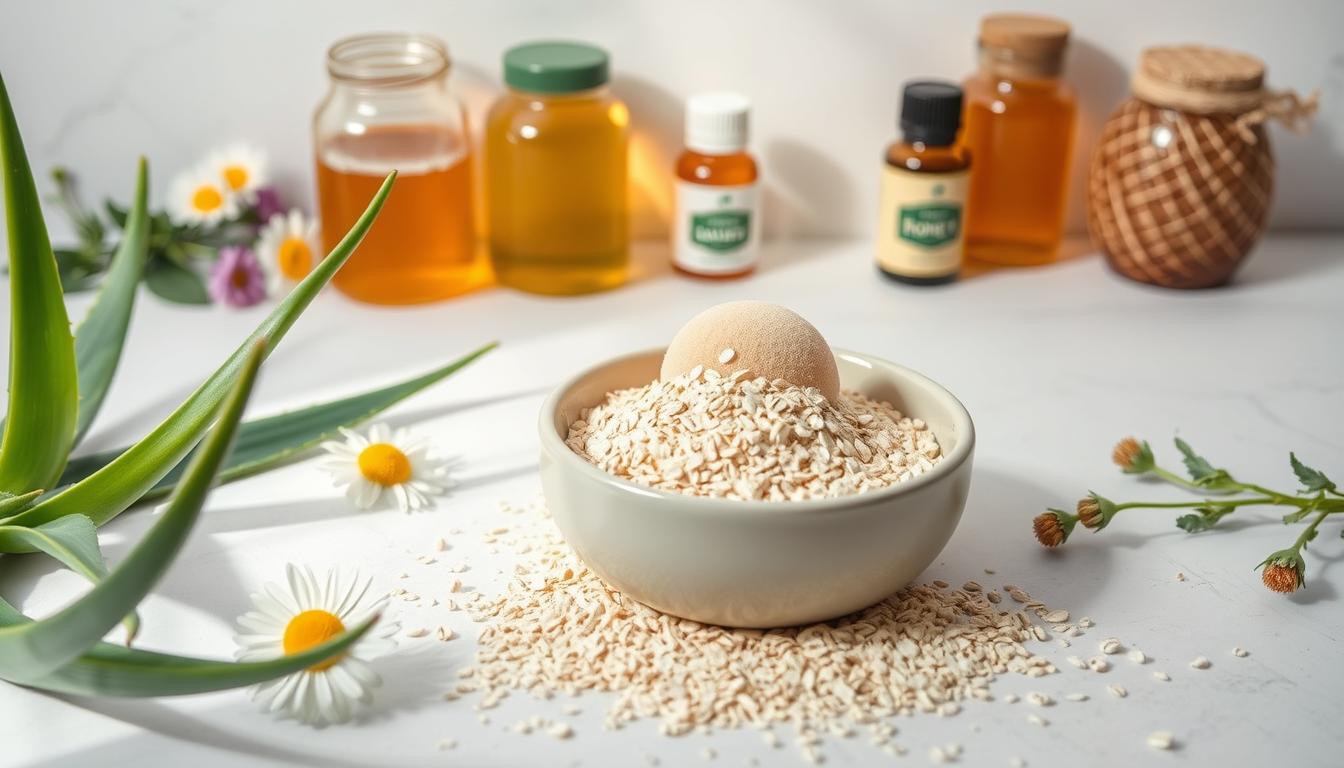
Unclog Pores Naturally: Easy Tips & Tricks
Achieving healthy, glowing Skin starts with natural pore care. Clogged pores can lead to acne, blackheads, and a dull complexion. Using natural methods to care for your Skin is a great way to avoid harsh chemicals and maintain a radiant appearance.
Unclogging pores is an essential step in any skincare routine. By incorporating simple, effective techniques into your daily regimen, you can enjoy a clearer, more even-toned complexion. In this article, we’ll explore the benefits of natural skincare and provide you with easy tips and tricks to get you started.
Key Takeaways
- Simple ways to incorporate natural skincare into your routine
- The benefits of using natural methods to care for your Skin
- Effective techniques for unclogging pores
- Tips for maintaining healthy, glowing Skin
- How to avoid harsh chemicals in your skincare routine
Understanding Your Skin’s Pores
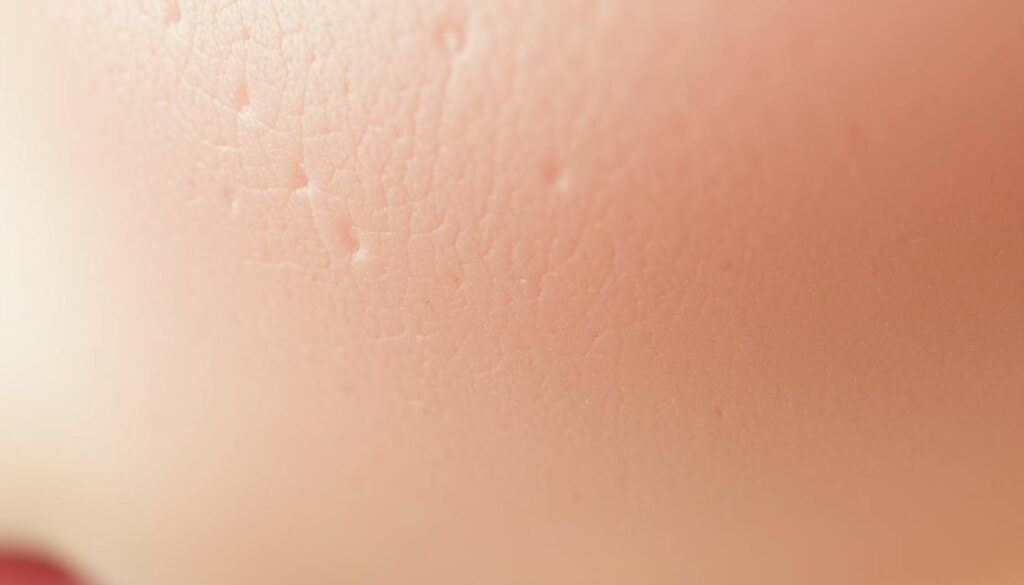
Understanding your Skin’s pores is crucial for maintaining healthy, clear Skin. Pores are small openings on the Skin’s surface that allow sweat and oil to escape. However, they can easily become clogged due to dirt, dead Skin cells, and excess oil.
What Are Pores and Why Do They Get Clogged?
Pores are essential for the Skin’s functioning, but when they get clogged, it can lead to acne, blackheads, and other Skin issues. Clogging occurs when dead Skin cells, oil, and dirt accumulate in the pores.
Different Types of Clogged Pores
There are several types of clogged pores, including blackheads, whiteheads, and acne. Each type requires a different approach for effective clearing.
How to Identify Your Pore Issues
To address pore issues, you first need to identify the type of clog you’re dealing with. Observing your Skin closely and understanding the causes can help you choose the right treatment.
| Pore Issue | Causes | Symptoms |
|---|---|---|
| Blackheads | Excess oil, dead Skin cells | Small, dark spots |
| Whiteheads | Clogged pores, bacteria | Small, white bumps |
| Acne | Bacteria, oil, stress | Inflamed, painful bumps |
The Science Behind Natural Pore Care
Understanding the science behind natural pore care is crucial for achieving healthy, clear Skin. Natural pore care involves using ingredients that work in harmony with the Skin’s natural functions to keep pores unclogged and minimized.
How Natural Ingredients Work on Pores
Natural ingredients such as tea tree oil, aloe vera, and green tea extract have been shown to have beneficial effects on the Skin. They work by reducing inflammation, fighting bacteria, and gently exfoliating the Skin to keep pores clear.
For instance, tea tree oil has antimicrobial properties that help control the growth of bacteria that can cause acne and clogged pores. Aloe vera, on the other hand, soothes the Skin and reduces inflammation, making it an excellent ingredient for sensitive Skin.

Common Harmful Ingredients in Commercial Products
Many commercial skincare products contain harsh ingredients that can strip the Skin of its natural oils, leading to more oil production and clogged pores. Ingredients like parabens, sulfates, and artificial fragrances can irritate the Skin and cause long-term damage.
“The use of harsh chemicals in skincare products can lead to a vicious cycle of irritation and oil production, exacerbating pore clogging.”
Benefits of Going Natural for Skin Health
Switching to a natural skincare routine can have numerous benefits for Skin health. Natural ingredients are generally gentler and less likely to cause irritation, making them suitable for all Skin types.
| Benefit | Description |
|---|---|
| Gentle on Skin | Natural ingredients reduce the risk of irritation and allergic reactions. |
| Environmentally Friendly | Natural skincare products often have eco-friendly packaging and ingredients. |
| Effective | Many natural ingredients have been proven to be as effective as their chemical counterparts. |
How to Unclog Pores Naturally: The Basics
Starting your journey to clear Skin begins with learning how to unclog pores naturally. Unclogging pores is a fundamental step in achieving healthier, clearer Skin. By adopting a natural approach, you can avoid harsh chemicals found in many commercial skincare products.
Creating a Consistent Natural Skincare Routine
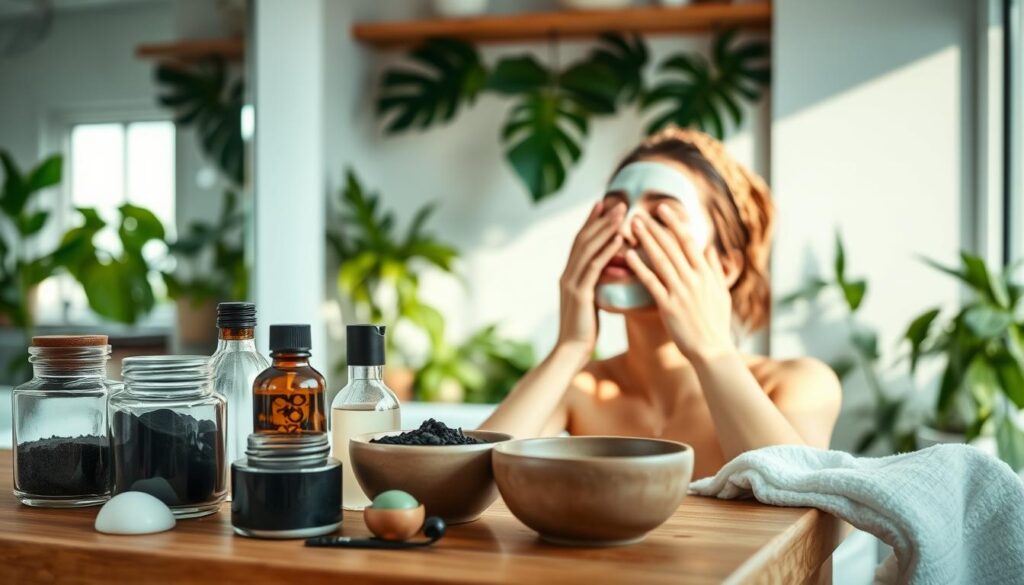
A consistent natural skincare routine is crucial for maintaining clear pores. This involves cleansing, toning, and moisturizing with products that are free from harsh chemicals. “A simple, consistent routine can make a significant difference in the health and appearance of your Skin,” as noted by skincare experts.
To create an effective routine, start by identifying your Skin type and selecting products that are suitable. For instance, if you have oily Skin, look for oil-free or non-comedogenic products that won’t clog your pores further.
Essential Steps for Daily Pore Maintenance
Daily maintenance is key to keeping pores unclogged. This includes:
- Cleansing your face twice a day with a gentle cleanser
- Exfoliating once or twice a week to remove dead Skin cells
- Using a toner to balance your Skin’s pH
- Applying a moisturizer that suits your Skin type
By following these steps, you can help prevent pores from becoming clogged and reduce the appearance of blackheads and whiteheads.
Adjusting Treatments for Different Skin Types
Different Skin types require different approaches. For example, if you have sensitive Skin, you’ll want to avoid harsh products that can cause irritation. On the other hand, if you have oily Skin, you may need products that help control oil production.
Understanding your Skin type and adjusting your treatments accordingly is vital for effective pore care. As skincare expert Dr. Joshua Zeichner notes, “Customizing your skincare routine based on your Skin type can significantly improve the health of your Skin.”
Steam Treatments for Deep Pore Cleansing
One of the most effective natural methods for cleansing pores is through steam treatment. Facial steaming involves exposing your face to warm vapor, which helps to loosen and clear out dirt, oil, and other impurities that can clog pores.

Step-by-Step Guide to Facial Steaming
To start facial steaming, you’ll need a few simple items: a large bowl, hot water, and a towel. Begin by boiling water and then carefully pouring it into the bowl. Lean over the bowl, covering your head with the towel to trap the steam. Stay in this position for 5-10 minutes, taking breaks if you feel discomfort. After steaming, rinse your face with cool water and pat dry.
Beneficial Herbs and Essential Oils to Add
Enhance your steaming experience by adding herbs or essential oils to the water. Herbs like chamomile and calendula can soothe the Skin, while oils such as lavender and tea tree oil have antibacterial properties that can help combat acne-causing bacteria. Always dilute essential oils appropriately to avoid Skin irritation.
Precautions and Best Practices
While facial steaming is generally safe, there are precautions to take. Be cautious with the water temperature to avoid burns, and keep your face at a safe distance from the steam. If you have sensitive Skin or certain Skin conditions, consult with a dermatologist before starting a steaming routine. Regular steaming can help maintain clear pores, but overdoing it can lead to dryness or irritation.
Natural Exfoliants to Remove Dead Skin Cells
Natural exfoliants offer a gentle yet effective way to remove dead Skin cells and promote healthier Skin. Exfoliation is a crucial step in any skincare routine as it helps to unclog pores, improve Skin texture, and enhance overall Skin health.
DIY Sugar and Salt Scrubs
One of the simplest ways to exfoliate naturally is by using sugar and salt scrubs. These ingredients are readily available and can be mixed with various oils to create a paste that gently removes dead Skin cells. Sugar scrubs are particularly beneficial for sensitive Skin due to their finer texture, while salt scrubs are more effective for tougher Skin areas like elbows and heels.
To make a basic sugar scrub, mix 1 cup of sugar with 1/2 cup of coconut oil and a few drops of your preferred essential oil. For a salt scrub, combine 1 cup of salt with 1/2 cup of olive oil and a few drops of essential oil. Gently massage the scrub onto your Skin in circular motions before rinsing off with warm water.
Fruit Enzymes and Acids for Gentle Exfoliation
Fruit enzymes and acids are another effective way to exfoliate the Skin gently. Ingredients like papain from papaya and bromelain from pineapple contain enzymes that break down dead Skin cells. Similarly, alpha-hydroxy acids (AHAs) derived from fruits like apples and berries help dissolve the “glue” that holds dead Skin cells together.
Using products or masks that contain these fruit-derived ingredients can help achieve smoother Skin without the harshness of physical exfoliants. Look for products with concentrations suitable for your Skin type to avoid irritation.
Exfoliation Frequency for Different Skin Types
The frequency of exfoliation depends on your Skin type.
For Oily Skin
Oily Skin can typically tolerate more frequent exfoliation, up to 3 times a week. This helps control sebum production and prevent clogged pores.
For Dry and Sensitive Skin
Dry and sensitive Skin, on the other hand, require gentler and less frequent exfoliation, about 1-2 times a week. It’s crucial to use mild exfoliants and follow up with moisturizing products to prevent dryness and irritation.
| Skin Type | Exfoliation Frequency | Recommended Exfoliant |
|---|---|---|
| Oily | Up to 3 times a week | Salt scrubs, fruit enzymes |
| Dry/Sensitive | 1-2 times a week | Sugar scrubs, gentle AHAs |
| Normal/Combination | 2-3 times a week | Sugar or salt scrubs, fruit enzymes |
By incorporating natural exfoliants into your skincare routine and adjusting the frequency based on your Skin type, you can achieve smoother, healthier-looking Skin.
DIY Face Masks for Unclogging Pores
DIY face masks are a simple and effective way to unclog pores without harsh chemicals. By using natural ingredients, you can create masks tailored to your Skin type, helping to maintain clear and healthy pores.
Clay-Based Masks for Deep Cleansing
Clay-based masks are renowned for their ability to draw out impurities and excess oil from the pores. Kaolin clay and bentonite clay are popular choices due to their gentle yet effective cleansing properties.
To make a clay mask, mix 1 tablespoon of clay powder with a few drops of water or apple cider vinegar to form a paste. Apply evenly across your face and let it dry for 10-15 minutes before rinsing off with warm water.

Honey and Oatmeal Masks for Sensitive Skin
For those with sensitive Skin, a honey and oatmeal mask can be incredibly soothing. Honey has antibacterial properties that help prevent breakouts, while oatmeal gently exfoliates and calms the Skin.
Mix 1 tablespoon of honey with 1 tablespoon of finely ground oatmeal. Add a few drops of water if necessary to achieve a spreadable consistency. Apply to the face and leave on for 15-20 minutes before rinsing.
Activated Charcoal Treatments for Stubborn Clogs
Activated charcoal is known for its ability to absorb toxins and impurities, making it ideal for treating stubborn clogs. Mix 1 teaspoon of activated charcoal powder with 1 tablespoon of aloe vera gel to create a detoxifying mask.
Apply the mask to areas prone to blackheads and leave on for 10-15 minutes. Rinse off thoroughly with warm water to reveal cleaner pores.
Application Techniques for Maximum Benefits
For maximum benefits, it’s essential to apply face masks correctly. Ensure your face is clean before application, and use a gentle exfoliating scrub beforehand to enhance penetration.
| Mask Type | Skin Type | Frequency |
|---|---|---|
| Clay-Based | Oily/Combination | 1-2 times a week |
| Honey & Oatmeal | Sensitive/Normal | 1-2 times a week |
| Activated Charcoal | All Types | Once a week |
By incorporating these DIY face masks into your skincare routine, you can effectively unclog pores and maintain healthier, clearer Skin.
Natural Oils That Help Dissolve Sebum
The power of natural oils in skincare lies in their ability to effectively dissolve sebum. Using the right oils can help unclog pores and improve Skin health.
The Oil Cleansing Method Step-by-Step
The oil cleansing method is a gentle and effective way to remove dirt and excess sebum from the Skin. To start:
- Choose a suitable carrier oil based on your Skin type.
- Massage the oil onto your dry face.
- Add a little water to emulsify the oil, then rinse with warm water.
- Repeat if necessary, or follow up with a gentle cleanser.
Best Carrier Oils for Different Skin Types
Different Skin types benefit from different carrier oils. For example:
- Oily Skin: Lightweight oils like jojoba oil or grape seed oil are ideal.
- Dry Skin: Richer oils such as coconut oil or olive oil provide intense hydration.
- Sensitive Skin: Gentle oils like sweet almond oil can be soothing.
Essential Oils That Combat Bacteria and Inflammation
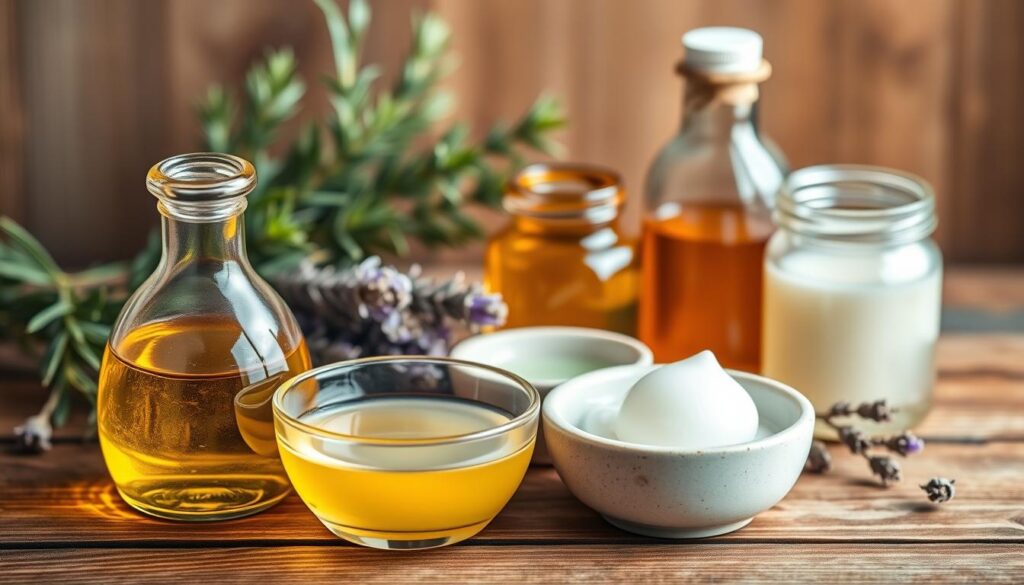
Essential oils can enhance the benefits of carrier oils by combating bacteria and reducing inflammation.
Tea Tree Oil Applications
Tea tree oil is renowned for its antibacterial properties, making it effective against acne-causing bacteria. Use it sparingly, diluted in a carrier oil, to avoid irritation.
Lavender and Other Soothing Options
Lavender oil is another excellent choice for its calming and anti-inflammatory properties. Other soothing essential oils include chamomile and calendula.
By incorporating these natural oils into your skincare routine, you can effectively dissolve sebum and promote healthier Skin.
Diet and Lifestyle Changes for Healthier Pores
A well-balanced diet and healthy lifestyle are foundational to maintaining clear, unclogged pores. The food you eat and your daily habits can significantly impact your Skin’s health.
Foods That Reduce Inflammation and Sebum Production
Incorporating foods rich in omega-3 fatty acids, such as salmon and walnuts, can help reduce inflammation. Antioxidant-rich foods like berries and leafy greens combat free radicals that can exacerbate Skin issues.
Green tea, rich in antioxidants, can also be beneficial when consumed regularly. Additionally, foods high in fiber help in detoxifying the body, which can reflect positively on your Skin.
The Connection Between Hydration and Pore Health
Drinking enough water is crucial for maintaining Skin hydration. Proper hydration helps in flushing out toxins and keeping your Skin supple, reducing the likelihood of clogged pores.
Stress Management for Clearer Skin
High stress levels can lead to hormonal imbalances that may affect your Skin. Practicing stress-reducing techniques like meditation or yoga can help maintain hormonal balance.
Exercise Benefits for Circulation and Detoxification
Regular physical activity enhances blood circulation, which is vital for healthy Skin. Exercise also promotes detoxification through sweating, helping to clear pores.

Preventative Measures and Daily Habits
Maintaining clear pores requires a combination of preventative measures and consistent daily habits. By incorporating these practices into your skincare routine, you can significantly reduce the occurrence of clogged pores and maintain healthier Skin.
Proper Face Washing Techniques
Washing your face is a fundamental step in any skincare routine. To do it effectively, use a gentle cleanser suitable for your Skin type, and wash your face twice a day. Massage the cleanser onto your damp face in circular motions, then rinse with lukewarm water. Avoid using hot water, which can strip your Skin of its natural oils.
The Importance of Clean Pillowcases and Makeup Brushes
Dirty pillowcases and makeup brushes can harbor bacteria and oils that can clog your pores. Change your pillowcase at least once a week and wash your makeup brushes regularly to prevent the buildup of bacteria and product residue.
Sunscreen and Environmental Protection
Protecting your Skin from the sun and environmental stressors is crucial. Use a broad-spectrum sunscreen with at least SPF 30 daily, even on cloudy days. Reapply every two hours or immediately after swimming or sweating. This helps prevent UV damage that can lead to premature aging and Skin issues.
When to See a Dermatologist
If you notice persistent pore clogs, severe acne, or Skin conditions that don’t improve with your current skincare routine, it may be time to consult a dermatologist. They can provide personalized advice and treatments tailored to your Skin’s specific needs.
| Daily Habit | Benefit |
|---|---|
| Proper Face Washing | Removes dirt and oil |
| Using Clean Pillowcases and Makeup Brushes | Reduces bacteria and oil buildup |
| Applying Sunscreen | Protects against UV damage |
Conclusion: Your Path to Naturally Clear Pores
Embracing natural pore care is a journey that transforms your Skin, revealing a clearer, healthier complexion. By understanding your pores and incorporating simple, effective techniques into your daily routine, you can achieve the clear Skin you’ve always desired.
From steam treatments and natural exfoliants to dietary changes and stress management, every step you take brings you closer to your skincare goals. Start your natural skincare journey today and discover the benefits of a balanced, gentle approach to Skin care.
With consistent care and attention, your Skin will respond positively, and you’ll be on your way to naturally clear pores and a radiant complexion. Make the commitment to natural pore care and enjoy the confidence that comes with healthy, glowing Skin.
FAQ
What are the best natural ingredients for unclogging pores?
Some of the best natural ingredients for unclogging pores include clay, tea tree oil, and activated charcoal, which are known for their ability to absorb excess oil and reduce inflammation.
How often should I exfoliate my Skin to unclog pores?
The frequency of exfoliation depends on your Skin type. For oily Skin, exfoliating 2-3 times a week can be beneficial, while dry or sensitive Skin may require less frequent exfoliation, about 1-2 times a week.
Can steam treatments help to unclog pores?
Yes, steam treatments can be very effective in unclogging pores by opening up the pores and allowing for a deeper cleanse. Adding herbs or essential oils like chamomile or lavender can enhance the benefits.
Are natural oils effective in dissolving sebum and unclogging pores?
Yes, certain natural oils, such as jojoba oil and grapeseed oil, can help dissolve sebum and unclog pores. The oil cleansing method, which involves massaging oil into the Skin before rinsing, can be particularly effective.
How does diet affect pore health?
Diet plays a significant role in pore health. Consuming foods high in sugar, dairy, and processed ingredients can lead to inflammation and increase sebum production, potentially clogging pores. A balanced diet rich in fruits, vegetables, and whole grains can help maintain healthier pores.
Can stress affect my Skin and pore health?
Yes, high stress levels can negatively impact Skin health, including pore health, by increasing the production of hormones like cortisol, which can lead to increased sebum production and potentially clogged pores. Practicing stress management techniques, such as meditation or yoga, can help mitigate this effect.
How can I prevent pore clogs on a daily basis?
Preventing pore clogs involves maintaining a consistent skincare routine that includes gentle cleansing, regular exfoliation, and using non-comedogenic products. Additionally, keeping your pillowcases and makeup brushes clean, and protecting your Skin from the sun can help.
When should I see a dermatologist about my pore issues?
If you experience persistent or severe pore clogs, blackheads, or acne, it may be beneficial to consult a dermatologist. They can provide personalized advice, treatments, and products tailored to your specific Skin concerns and needs.