At Glowskinhub.com, we believe beauty isn’t just a look—it’s a feeling

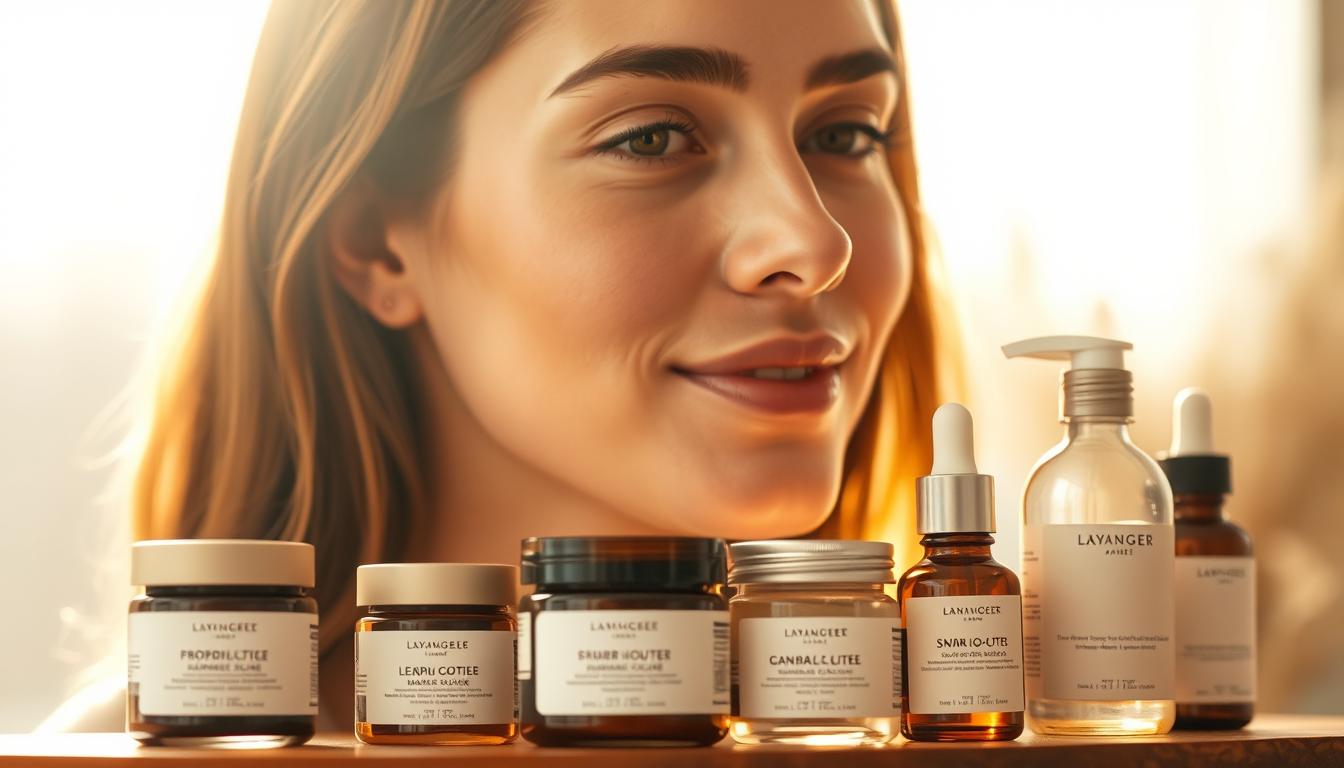
Probiotic Skincare: The Secret to Glowing, Healthy Skin
Achieving glowing Skin is a universal desire, and a well-crafted skincare routine is essential to making it a reality.
Recent advancements in dermatology have highlighted the importance of the Skin microbiome in maintaining healthy Skin. Probiotic skincare has emerged as a game-changer, leveraging the power of beneficial bacteria to foster a balanced Skin ecosystem.
By incorporating probiotics into your skincare routine, you can potentially enhance your Skin’s natural barrier function, reduce inflammation, and achieve a more radiant complexion.
Key Takeaways
- Probiotic skincare supports a balanced Skin microbiome.
- A healthy Skin microbiome is crucial for achieving glowing Skin.
- Incorporating probiotics can enhance your Skin’s natural barrier function.
- Probiotic skincare can help reduce inflammation.
- A well-crafted skincare routine is essential for healthy Skin.
Understanding the Skin Microbiome
The human Skin is home to a diverse range of microorganisms, collectively known as the Skin microbiome. This complex ecosystem plays a vital role in maintaining the health and integrity of our Skin.
What Is the Skin Microbiome?
The Skin microbiome consists of trillions of microorganisms, including bacteria, viruses, and fungi, that live on the Skin’s surface and within its layers. These microorganisms work together to create a delicate balance that is essential for healthy Skin.
How the Microbiome Affects Skin Health
A balanced Skin microbiome helps to strengthen the Skin’s barrier function, reducing the risk of irritation and infection. It also plays a role in regulating inflammation and supporting the Skin’s natural repair processes.
Factors That Disrupt Your Skin’s Microbiome
Several factors can disrupt the balance of the Skin microbiome, including environmental factors and skincare products/habits.
Environmental Factors
Exposure to pollution, UV radiation, and extreme temperatures can all impact the Skin microbiome. These stressors can lead to an imbalance, making the Skin more susceptible to issues like acne and sensitivity.
Skincare Products and Habits
Using harsh skincare products or over-washing can strip the Skin of its natural oils, disrupting the microbiome. It’s essential to choose gentle, balanced products that support the Skin’s natural ecosystem. 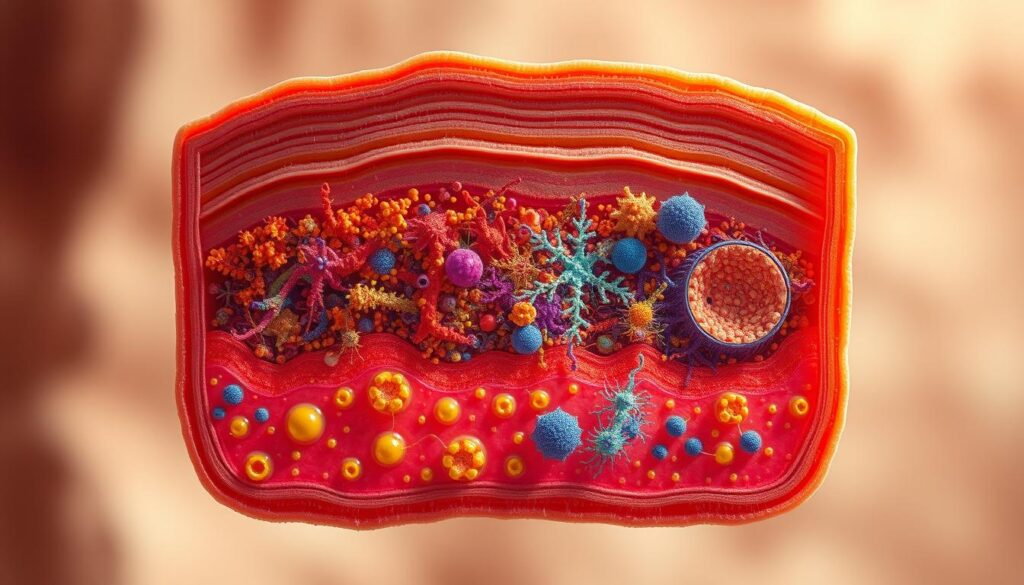
By understanding the factors that affect the Skin microbiome, we can take steps to protect and support it, paving the way for healthier, more resilient Skin.
What Is Probiotic Skincare?
As our understanding of the Skin microbiome deepens, probiotic skincare is becoming increasingly recognized for its potential to transform Skin health. This emerging field in dermatology focuses on leveraging beneficial bacteria to foster a healthier Skin environment.
Definition and Basic Concepts
Probiotic skincare involves the application of live, beneficial microorganisms to the Skin, aiming to restore balance to the Skin’s microbiome. This balance is crucial for maintaining healthy Skin, as it helps to strengthen the Skin’s barrier function and reduce the presence of harmful bacteria.
The concept is borrowed from the probiotic approach used in gastrointestinal health, where beneficial bacteria are introduced to support gut flora. Similarly, in skincare, probiotics are used to support the Skin’s ecosystem.
Prebiotics vs. Probiotics vs. Postbiotics in Skincare
Understanding the differences between prebiotics, probiotics, and postbiotics is essential for grasping the nuances of probiotic skincare.
| Term | Definition | Role in Skincare |
|---|---|---|
| Probiotics | Live, beneficial microorganisms | Directly introduce beneficial bacteria to the Skin, enhancing its microbiome. |
| Prebiotics | Non-digestible ingredients that feed beneficial microorganisms | Nourish the existing beneficial bacteria, promoting their growth and activity. |
| Postbiotics | Metabolic byproducts of probiotics | Provide the benefits of probiotics without introducing live bacteria, often used for their anti-inflammatory properties. |
The Evolution of Probiotic Skincare Products
The development of probiotic skincare products has been rapid, driven by consumer demand for innovative, effective skincare solutions. Initially, products focused on incorporating live probiotic cultures. However, the industry has evolved to include a broader range of formulations, such as prebiotic and postbiotic products, offering a more comprehensive approach to microbiome skincare.
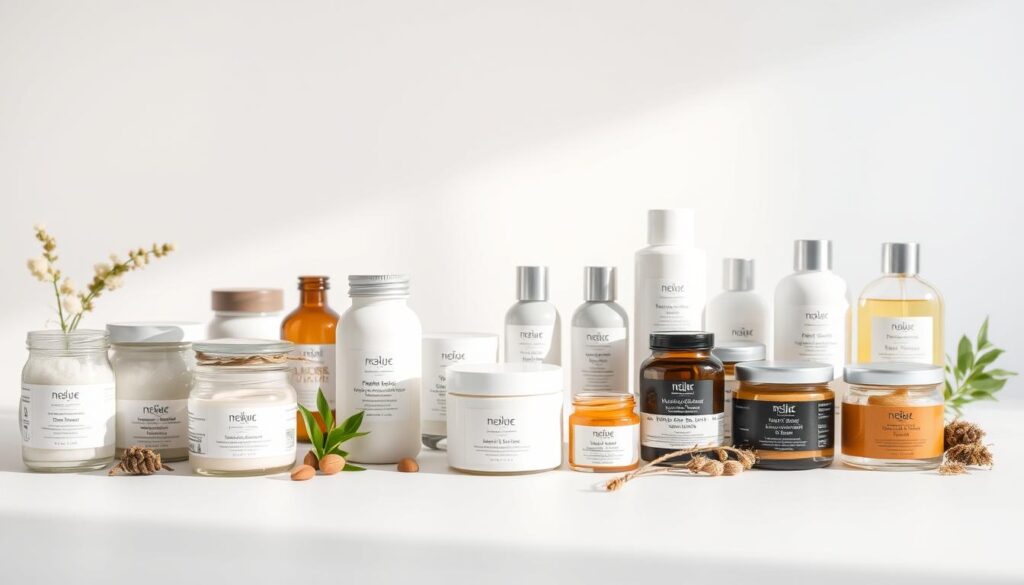
As research continues to uncover the complexities of the Skin microbiome, we can expect probiotic skincare to become even more sophisticated, potentially leading to personalized skincare solutions based on an individual’s unique Skin microbiome.
The Science Behind Probiotic Skincare
The science behind probiotic skincare is rooted in the complex relationship between probiotics and the Skin microbiome. Probiotics, live microorganisms that confer health benefits when administered in adequate amounts, have been increasingly recognized for their potential in skincare.

How Probiotics Work on the Skin
Probiotics work on the Skin by enhancing the Skin barrier function, reducing inflammation, and improving hydration. They achieve this by:
- Colonizing the Skin with beneficial bacteria
- Producing antimicrobial peptides that fight harmful bacteria
- Modulating the immune system to reduce inflammation
This multifaceted approach helps in maintaining a healthy Skin microbiome, which is crucial for overall Skin health.
Research and Clinical Studies
Numerous studies have investigated the efficacy of probiotics in skincare. Clinical trials have shown that probiotic skincare products can improve Skin hydration, reduce redness, and alleviate symptoms of conditions like acne and rosace.
“The use of probiotics in skincare represents a promising avenue for improving Skin health. By modulating the Skin microbiome, probiotics can help mitigate various Skin issues.”
Expert Opinions on Probiotic Skincare
Experts in dermatology acknowledge the potential of probiotics in skincare but emphasize the need for more comprehensive research. They highlight the importance of:
- Strain specificity: Different probiotic strains have different effects.
- Product formulation: The formulation of probiotic skincare products affects their efficacy.
- Individual Skin types: Responses to probiotics can vary based on Skin type and condition.
By understanding these factors, consumers can make informed decisions about incorporating probiotics into their skincare routines.
Probiotic Skincare Benefits
Probiotic skincare has revolutionized the way we approach Skin health, offering numerous benefits for a radiant complexion. The integration of probiotics into skincare routines has shown significant promise in addressing various Skin concerns.
Balancing and Strengthening the Skin Barrier
One of the primary probiotic skincare benefits is the balancing and strengthening of the Skin barrier. A healthy Skin microbiome helps to fortify the Skin’s natural barrier, making it more resilient to environmental stressors and less prone to irritation.
The Skin barrier plays a crucial role in maintaining overall Skin health. By supporting this barrier, probiotic skincare products can help to reduce sensitivity and improve the Skin’s ability to retain moisture.
Reducing Inflammation and Redness
Probiotics have been shown to possess anti-inflammatory properties, which can help to reduce redness and soothe irritated Skin. This is particularly beneficial for individuals with conditions such as rosacea or eczema.
By calming the Skin and reducing inflammation, probiotic skincare can contribute to a more even-toned complexion, enhancing overall Skin appearance.

Fighting Acne-Causing Bacteria
Certain strains of probiotics have been found to inhibit the growth of acne-causing bacteria, making them an effective ingredient in acne-fighting skincare products.
By controlling the growth of harmful bacteria, probiotic skincare can help to reduce the occurrence of acne and prevent future breakouts.
Improving Hydration and Moisture Retention
Probiotic skincare can also enhance the Skin’s ability to retain moisture, leading to improved hydration levels and a more supple complexion.
By supporting the Skin’s natural barrier function, probiotics help to lock in moisture, reducing the appearance of fine lines and wrinkles associated with dry Skin.
Anti-Aging and Skin Rejuvenation Effects
The anti-aging benefits of probiotic skincare are another significant advantage. Probiotics can help to promote Skin rejuvenation, improving Skin elasticity and reducing the visible signs of aging.
Through their ability to enhance collagen production and improve Skin texture, probiotics contribute to a more youthful and radiant appearance.
Common Ingredients in Probiotic Skincare Products
The effectiveness of probiotic skincare lies in its formulation, which often includes a blend of probiotic strains and supporting ingredients. These components work together to enhance Skin health and address various Skin concerns.
Key Probiotic Strains Used in Skincare
Probiotic skincare products often feature specific strains known for their beneficial effects on the Skin. These include:
Lactobacillus
Lactobacillus is a genus of probiotic bacteria that can help in soothing and calming the Skin, reducing inflammation, and improving the Skin’s barrier function.
Bifidobacterium
Bifidobacterium strains are known for their ability to enhance the Skin’s natural defense mechanisms, improve hydration, and reduce the appearance of fine lines and wrinkles.
Streptococcus
Streptococcus strains, another type of probiotic bacteria, can contribute to improving Skin elasticity and firmness, giving the Skin a more youthful appearance.

Supporting Ingredients That Enhance Probiotic Effects
In addition to probiotic strains, skincare products often include other ingredients that support and enhance the effects of probiotics. These may include prebiotics, which nourish the probiotic bacteria, and hyaluronic acid, known for its moisturizing properties.
Ingredients to Avoid in Probiotic Formulations
While probiotic skincare products are generally beneficial, it’s essential to be aware of ingredients that might counteract their effects. Harsh chemicals, artificial fragrances, and alcohol can disrupt the Skin’s microbiome and reduce the efficacy of probiotics.
By understanding the ingredients in probiotic skincare products, consumers can make informed choices that cater to their Skin needs and enhance their skincare routine.
Types of Probiotic Skincare Products
From cleansers to moisturizers, probiotic skincare products are revolutionizing the way we care for our Skin. The diverse range of formulations available today caters to various Skin types and concerns, making it easier for individuals to incorporate probiotics into their skincare routines.

Cleansers and Face Washes
Probiotic cleansers and face washes are designed to gently clean the Skin while maintaining its natural microbiome. These products often contain live probiotic cultures or prebiotic ingredients that support the Skin’s barrier function. By using a probiotic cleanser, individuals can help remove dirt and impurities without stripping the Skin of its beneficial bacteria.
Serums and Treatments
Serums and treatments infused with probiotics are formulated to target specific Skin concerns such as acne, aging, or hyperpigmentation. These products typically contain high concentrations of probiotic extracts or postbiotics, which can help to reduce inflammation and promote Skin rejuvenation.
Moisturizers and Creams
Probiotic moisturizers and creams are designed to hydrate and nourish the Skin while supporting its natural barrier function. These products often combine probiotics with other beneficial ingredients like hyaluronic acid and ceramides to provide long-lasting hydration and protection against environmental stressors.
Masks and Specialized Treatments
Probiotic masks and specialized treatments offer an intense dose of beneficial bacteria and nutrients to the Skin. These products can be used periodically to provide an extra boost to the Skin’s microbiome, helping to address specific Skin concerns or maintain overall Skin health.
By understanding the different types of probiotic skincare products available, individuals can make informed decisions about how to best incorporate these products into their daily skincare routines, potentially leading to healthier, more resilient Skin.
How to Incorporate Probiotics Into Your Skincare Routine
To reap the benefits of probiotic skincare, it’s essential to understand how to integrate it effectively into your daily regimen. Building a probiotic-friendly skincare routine involves selecting the right products and using them at the optimal time.
Building a Probiotic-Friendly Regimen
Start by introducing a probiotic product into your routine, such as a cleanser or Serum. Look for products containing well-researched probiotic strains like Lactobacillus or Bifidobacterium. It’s also crucial to patch test new products to ensure you don’t have any adverse reactions.
Morning vs. Evening Application
The timing of your probiotic skincare application can impact its effectiveness. Using a probiotic Serum in the evening can help support the Skin’s natural repair process overnight. In contrast, a probiotic moisturizer can be used both morning and night to maintain hydration.
Combining Probiotics with Other Active Ingredients
Probiotics can be combined with other skincare ingredients to enhance their benefits. For example, pairing probiotics with hyaluronic acid can boost hydration, while combining them with vitamin C can enhance brightening effects.
DIY Probiotic Skincare Options
For those interested in a more natural approach, DIY probiotic skincare can be a fun and effective way to incorporate probiotics into your routine.
Yogurt-Based Masks
A simple yogurt face mask can provide a probiotic boost. Apply plain, unflavored yogurt to your face and leave it on for 10-15 minutes before rinsing.
Fermented Ingredients in Homemade Products
You can also use fermented ingredients like kimchi or sauerkraut in homemade skincare products. Ensure proper sanitation to avoid contamination.
Common Mistakes to Avoid
One common mistake is over-exfoliating or using too many active ingredients, which can disrupt the Skin’s microbiome. Start with a simple routine and gradually introduce new products.
Considerations and Limitations of Probiotic Skincare
As with any skincare regimen, understanding the considerations and limitations of probiotic skincare is crucial. While these products have shown promise, there are several factors to consider before incorporating them into your routine.
Who Should Exercise Caution
Individuals with sensitive Skin or compromised Skin barriers should exercise caution when using probiotic skincare products. It’s also advisable for those with allergies to certain probiotic strains or other ingredients commonly found in these products to be cautious.
Shelf Life and Product Stability
The stability of probiotic skincare products is a critical factor, as the viability of probiotics can decrease over time. Consumers should check the product’s expiration date and follow storage instructions to maintain potency.

Realistic Expectations and Timeframes
Understanding that probiotic skincare is not a quick fix is essential. It may take several weeks to notice improvements in Skin health. Managing expectations and being patient is key to benefiting from these products.
Cost Considerations
Probiotic skincare products can be more expensive than traditional skincare products. Consumers should weigh the potential benefits against the cost and consider whether these products fit within their budget.
| Consideration | Description | Impact |
|---|---|---|
| Sensitive Skin | Potential irritation or reaction | High |
| Product Stability | Decreased probiotic viability over time | Medium |
| Cost | Higher price point compared to non-probiotic products | Medium |
Conclusion: The Future of Probiotic Skincare
The future of probiotic skincare is bright, with emerging trends pointing to a more personalized and effective approach to Skin health. As research continues to uncover the complex relationships between the Skin microbiome and overall well-being, we can expect to see even more innovative products and treatments.
Probiotic skincare trends are shifting towards more targeted solutions, with brands incorporating specific strains of probiotics to address particular Skin concerns. This move towards precision skincare is likely to drive growth in the industry, as consumers increasingly seek out products that are tailored to their individual needs.
As the field continues to evolve, we can expect to see new technologies and ingredients emerge, further enhancing the effectiveness of probiotic skincare products. With its potential to transform the way we approach Skin health, the future of probiotic skincare is certainly exciting.
FAQ
What is probiotic skincare and how does it work?
Probiotic skincare utilizes live microorganisms or their byproducts to promote a healthy Skin microbiome, enhancing Skin barrier function, reducing inflammation, and improving overall Skin health.
Are probiotic skincare products suitable for all Skin types?
Generally, probiotic skincare products are beneficial for various Skin types, including sensitive Skin. However, individuals with specific Skin conditions or allergies should consult a dermatologist before using new products.
How do I choose the right probiotic skincare product for my Skin concerns?
To select a suitable probiotic skincare product, consider your Skin type, specific Skin concerns (e.g., acne, aging, hydration), and look for products containing strains like Lactobacillus or Bifidobacterium, which are commonly used in skincare.
Can I use probiotic skincare products if I have sensitive Skin?
Yes, many probiotic skincare products are designed for sensitive Skin. Look for products labeled as hypoallergenic or Fragrance-free to minimize the risk of irritation.
How long does it take to see results from probiotic skincare?
The timeframe for noticing improvements varies depending on individual Skin concerns and product efficacy. Generally, consistent use over several weeks can lead to noticeable benefits.
Can I combine probiotic skincare with other active ingredients?
Yes, but it’s essential to be cautious when combining products. Start with a small patch test to ensure compatibility, and consider consulting a dermatologist for personalized advice on layering products.
Are there any potential side effects of using probiotic skincare products?
While rare, some individuals may experience initial Skin reactions such as redness or irritation. If such reactions persist, discontinue use and consult a dermatologist.
How should I store probiotic skincare products to maintain their effectiveness?
To preserve the potency of probiotic skincare products, store them in a cool, dry place, away from direct sunlight, and follow the manufacturer’s instructions for any specific storage requirements.