At Glowskinhub.com, we believe beauty isn’t just a look—it’s a feeling

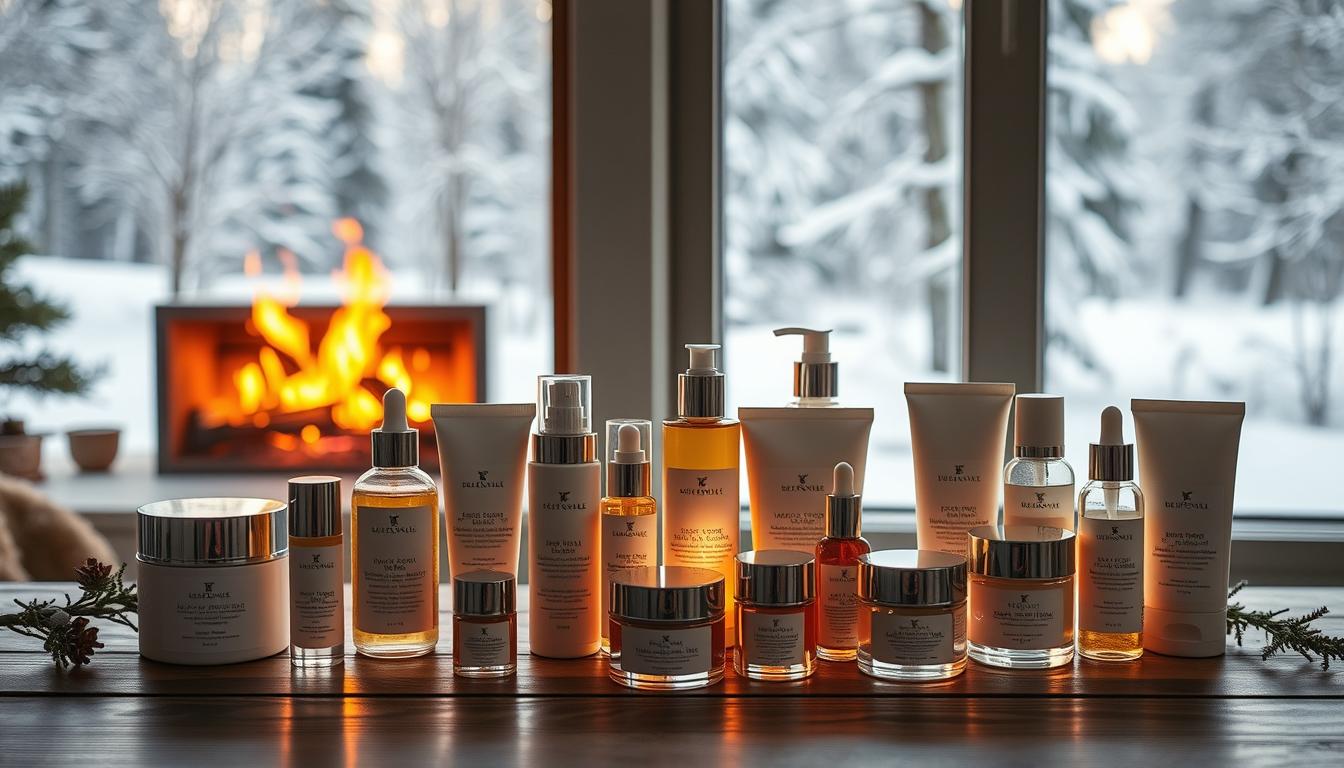
Winter Skin Care: Banish Dryness Now
As the temperature drops, our Skin faces a new set of challenges. The cold weather, combined with dry air, can strip our Skin of its natural moisture, leading to dryness and irritation. Effective winter Skin care is crucial to maintaining healthy, glowing Skin throughout the season.
During the winter months, it’s essential to adjust our Skin care routine to combat dryness. This includes using gentle cleansers, moisturizing regularly, and protecting our Skin from harsh winds and cold temperatures. By following a comprehensive guide to dry Skin care in winter, you can banish dryness and keep your Skin looking its best.
Key Takeaways
- Adjust your Skin care routine to combat dryness
- Use gentle cleansers and moisturize regularly
- Protect your Skin from harsh winds and cold temperatures
- Stay hydrated to keep your Skin healthy
- Consider using winter dry Skin remedies to soothe and nourish your Skin
Why Winter Wreaks Havoc on Your Skin
The onset of winter is often accompanied by a significant change in Skin condition, typically for the worse. As the cold weather sets in, the Skin’s natural ability to retain moisture is disrupted.
The Science Behind Winter Dryness
Cold weather has a profound effect on the Skin, stripping it of its natural moisture barrier. The effects of cold weather on Skin include reduced humidity and lower temperatures, leading to dryness and irritation. This is because the Skin’s natural lipid layer is disrupted, causing moisture loss.

How Indoor Heating Compounds the Problem
Indoor heating dry Skin is another significant factor contributing to winter dryness. Heating systems dry out the air, further reducing the Skin’s moisture levels. To combat this, it’s essential to adjust your Skin care routine to include more hydrating products and practices that help lock in moisture.
Signs Your Skin is Crying Out for Help
The cold, dry air of winter can leave your Skin feeling parched and irritated. As the season progresses, it’s essential to recognize the signs that your Skin is suffering.
Common Symptoms of Winter-Damaged Skin
Winter-damaged Skin often exhibits a range of symptoms, including tightness, flakiness, and irritation. You might notice that your Skin feels rough to the touch or appears dull and lackluster. In more severe cases, dry Skin can lead to redness and itchiness, making everyday activities uncomfortable.
Some common issues associated with dry Skin in winter include:
- Tightness and a feeling of Skin being pulled taut
- Flakiness, with visible Skin cells shedding
- Irritation, including redness and itchiness
- Dull appearance, lacking the usual glow
When Dryness Becomes a Medical Concern
While dry Skin is common in winter, there are instances where it can become a more serious medical concern. Conditions like eczema can be exacerbated by dry air, leading to more severe symptoms. If you experience persistent or severe dryness, it’s crucial to consult a healthcare professional.
Some signs that your dry Skin may require medical attention include:
| Symptom | Description |
|---|---|
| Severe Itching | Itching that is persistent and interferes with daily activities |
| Open Sores | Sores or cracks in the Skin that can be painful and potentially infected |
| Redness and Inflammation | Significant redness or inflammation that doesn’t improve with moisturizing |
As dermatologist Dr. Jane Smith notes, “Dry Skin in winter is not just a cosmetic issue; it can sometimes be a sign of an underlying condition that needs medical attention.”
“The best way to manage dry Skin is to prevent it from becoming a severe issue. Moisturizing regularly and avoiding harsh soaps can make a significant difference.”

Essential Winter Routine for Dry Skin
To counteract the drying effects of winter, it’s essential to establish a consistent Skin care regimen that addresses both daytime protection and nighttime repair.
Morning Routine Steps for Protection
Starting your day with the right Skin care steps can significantly impact how your Skin withstands the harsh winter conditions.
- Cleansing: Begin with a gentle, hydrating cleanser that doesn’t strip your Skin of its natural oils.
- Toning: Use a toner that helps balance your Skin’s pH and prepares it for subsequent products.
- Moisturizing: Apply a rich moisturizer that provides a barrier against the cold, dry air. Look for ingredients like hyaluronic acid and ceramides.
- Sun Protection: Even on cloudy days, UV rays can still affect your Skin. Use a broad-spectrum sunscreen with at least SPF 30.

Evening Routine Steps for Repair
The evening routine is crucial for repairing the damage incurred during the day and preparing your Skin for the night ahead.
- Double Cleansing: Start with an oil-based cleanser to remove makeup and sunscreen, followed by a gentle water-based cleanser to clean the Skin.
- Exfoliation: 1-2 times a week, incorporate a gentle exfoliant to remove dead Skin cells and enhance product absorption.
- Serums and Treatments: Apply serums or treatment products containing active ingredients like retinol, peptides, or vitamin C to address specific Skin concerns.
- Moisturizing and Locking in Hydration: Seal everything in with a nourishing moisturizer or night cream, and consider layering with a hydrating face oil for extra protection.
By following these morning and evening routines, you can effectively protect and repair your Skin, combating the dryness and damage associated with winter.
Gentle Cleansing: Washing Without the Drought
The key to banishing dryness lies in gentle cleansing methods that preserve moisture. When winter dries out your Skin, it’s essential to cleanse without stripping away the natural oils that keep your Skin healthy and supple.
Cream and Oil Cleansers That Preserve Moisture
Cream and oil cleansers are excellent choices for dry winter Skin because they clean without drying. These cleansers dissolve dirt and makeup while maintaining the Skin’s natural barrier. Look for cleansers containing ingredients like glycerin, olive oil, or jojoba oil, which are known for their moisturizing properties.
Some popular cream and oil cleansers include those from brands that specialize in dry Skin care. When selecting a cleanser, consider your Skin type and look for products labeled as suitable for dry or sensitive Skin.
The Right Water Temperature and Techniques
Using the right water temperature and washing technique can make a significant difference in preserving your Skin’s moisture. Warm water is preferable to hot water, as it helps to open the pores without stripping the Skin of its natural oils. Avoid using hot water, which can exacerbate dryness.
Gentle washing techniques involve massaging the cleanser onto the Skin with your fingertips in a circular motion, followed by a thorough rinse with lukewarm water. Pat dry with a towel instead of rubbing vigorously, which can irritate dry Skin.
Hydration Heroes: Moisturizers That Actually Work
As winter sets in, the quest for the perfect moisturizer becomes a top priority for those seeking to combat dry, parched Skin. The right moisturizer can make all the difference, providing long-lasting hydration and helping to repair the Skin’s natural barrier.

Powerhouse Ingredients for Winter Skin
The effectiveness of a moisturizer largely depends on its ingredients. Hydrating ingredients such as hyaluronic acid, glycerin, and ceramides are particularly beneficial during the winter months. Hyaluronic acid, for instance, can hold up to 1000 times its weight in water, making it an excellent humectant that helps retain moisture in the Skin.
Glycerin is another powerful ingredient that helps attract and retain moisture, leaving the Skin feeling soft and supple. Ceramides, on the other hand, play a crucial role in repairing the Skin’s barrier function, which is often compromised during the winter due to harsh weather conditions and indoor heating.
Layering Products for Maximum Hydration
Layering skincare products is a strategic approach to achieving maximum hydration. Starting with a hydrating Serum or essence, followed by a moisturizer, and finishing with a facial oil can help lock in moisture and protect the Skin from environmental stressors. When layering products, it’s essential to apply them in the right order and allow each product to absorb fully before applying the next.
Using a layering technique not only enhances the effectiveness of each product but also helps to customize your skincare routine according to your Skin’s specific needs. For instance, during extremely dry conditions, adding an extra layer of moisturizer or using a hydrating mask can provide an intense dose of hydration.
SOS Treatments for Extremely Parched Skin
Extremely dry Skin requires more than just regular moisturizing; it demands intensive care and targeted treatments. When the dryness becomes too much to handle, it’s time to bring in the rescue treatments.
Weekly Masks and Exfoliation Treatments
Weekly masks can provide an intense dose of moisture to parched Skin. Look for masks containing hyaluronic acid, glycerin, or ceramides. Exfoliation is also crucial as it helps remove dead Skin cells, allowing moisturizers to penetrate more effectively. However, be gentle; over-exfoliation can further dry out the Skin.
Key ingredients to look for in exfoliating treatments include:
- Glycolic acid
- Lactic acid
- Physical exfoliants like jojoba beads or rice powder

Overnight Intensive Repair Strategies
Overnight treatments can be a game-changer for dry Skin. Applying a thick layer of a moisturizing product or an overnight mask before bed can help lock in moisture. Products containing shea butter, coconut oil, or honey are particularly beneficial.
| Product Type | Key Ingredients | Benefits |
|---|---|---|
| Overnight Masks | Honey, Shea Butter | Intensive hydration, Skin repair |
| Moisturizing Creams | Ceramides, Hyaluronic Acid | Long-lasting moisture, Skin barrier repair |
| Exfoliating Treatments | Glycolic Acid, Lactic Acid | Removes dead Skin cells, improves Skin texture |
By incorporating these SOS treatments into your winter Skin care routine, you can provide your Skin with the extra care it needs to stay healthy and hydrated throughout the cold winter months.
Customizing Your Winter Skin Care Approach
Winter Skin care isn’t one-size-fits-all; customizing your approach based on your Skin type is key to maintaining healthy, glowing Skin. Different Skin types face unique challenges during the cold winter months, and understanding these differences is crucial for developing an effective Skin care routine.

Solutions for Dry and Sensitive Skin Types
For those with dry and sensitive Skin, the focus should be on intense hydration and protection. Using a cream-based cleanser that preserves the Skin’s natural moisture barrier is essential. Follow up with a rich moisturizer containing ingredients like hyaluronic acid and ceramides to lock in moisture. Avoid products with fragrances or dyes that can irritate sensitive Skin.
Strategies for Combination and Oily Skin
Even if you have oily Skin, winter can still bring dryness, especially in areas like the cheeks. For combination Skin, use a lightweight, oil-free moisturizer on oily areas while applying a richer moisturizer on drier patches. For oily Skin, consider a gel-based moisturizer that hydrates without clogging pores. Exfoliating once or twice a week can help remove dead Skin cells and improve Skin texture.
Special Considerations for Mature Skin
Mature Skin tends to be drier and may show more pronounced signs of aging during winter. To combat this, incorporate anti-aging products containing retinol or peptides into your routine. These ingredients help stimulate collagen production and improve Skin elasticity. Additionally, using a hydrating Serum under your moisturizer can provide an extra layer of moisture.
By tailoring your winter Skin care routine to your specific Skin type, you can effectively combat dryness, irritation, and other seasonal Skin challenges. Whether you have dry, sensitive, combination, oily, or mature Skin, there’s a customized approach that can help you achieve healthier, more resilient Skin throughout the winter months.
Natural Remedies from Your Kitchen to Your Face
Discover how everyday kitchen ingredients can become your Skin’s best friend during winter. The cold weather often leaves our Skin dry and irritated, but nature has provided us with an array of remedies that can be found right in our own kitchens.
Food-Based Ingredients That Heal Winter Skin
Certain foods are not just good for eating; they’re also great for your Skin. Oatmeal is known for its soothing properties and can be used to calm irritated Skin. Honey is another ingredient that’s rich in antioxidants and has antibacterial properties, making it perfect for locking in moisture.
Coconut oil is a versatile ingredient that can be used as a moisturizer, a makeup remover, or even as a hair mask. Its hydrating properties help to combat dryness and leave your Skin feeling soft and supple.
DIY Masks and Treatments You Can Make Today
Creating your own DIY masks can be a fun and effective way to pamper your Skin. For instance, a simple avocado and banana mask can provide intense hydration. Mash ripe avocado and banana together, apply to your face, and leave on for 15-20 minutes before rinsing off with warm water.
Another effective treatment is a sugar and olive oil scrub. Mix equal parts sugar and olive oil to create a paste, then gently massage onto your Skin in circular motions. Rinse with warm water to reveal smooth, exfoliated Skin.

Beyond Products: Lifestyle Factors for Healthy Winter Skin
As we navigate the challenges of winter Skin care, it’s essential to look beyond products and consider lifestyle factors that significantly impact Skin health. While a good skincare routine is crucial, certain lifestyle adjustments can further enhance Skin resilience during the harsh winter months.
Nutrition and Hydration for Skin Health
A well-balanced diet rich in omega-3 fatty acids, vitamins A, C, and E, and antioxidants plays a pivotal role in maintaining healthy Skin. Foods like salmon, walnuts, and berries are not only delicious but also beneficial for Skin health. Additionally, staying hydrated by drinking plenty of water helps to keep the Skin hydrated from the inside out.
The Impact of Sleep and Stress
Adequate sleep is vital for Skin regeneration and repair. During sleep, the body repairs and regenerates damaged cells, builds bone and muscle, and strengthens the immune system. On the other hand, stress can trigger Skin issues like acne and eczema. Practicing stress-reducing techniques such as meditation and yoga can help mitigate these effects.
Humidifiers and Environmental Controls
Using a humidifier can add much-needed moisture back into the air, helping to prevent dryness and irritation. It’s also beneficial to maintain a comfortable indoor temperature and avoid extreme heating, which can dry out the Skin further.
By incorporating these lifestyle changes, individuals can better protect their Skin against the harsh conditions of winter, leading to healthier and more resilient Skin throughout the season.
Winter Skin Saboteurs: Mistakes to Avoid
Many people struggle with dry Skin during the winter months, often due to avoidable mistakes in their Skin care routine. Understanding these common pitfalls can help you maintain healthy, hydrated Skin throughout the cold season.
Daily Habits That Worsen Dryness
Certain daily habits can significantly dry out your Skin. Avoid taking long, hot showers, as they strip your Skin of its natural oils. Instead, opt for warm water and limit your shower time. Additionally, be gentle when drying off; rough towel-drying can irritate and dry out your Skin further.
- Reduce the frequency of exfoliating to prevent stripping your Skin of its natural barrier.
- Wear gloves when going outside or washing dishes to protect your hands from harsh winds and hot water.
Product Ingredients to Avoid Until Spring
Some ingredients in Skin care products can be too harsh for winter Skin. Products containing alcohol can dry out your Skin, so it’s best to avoid them until warmer months. Similarly, products with alpha-hydroxy acids (AHAs) or beta-hydroxy acids (BHAs) can be too exfoliating for dry winter Skin.
| Ingredient | Effect on Winter Skin |
|---|---|
| Alcohol | Dries out the Skin |
| AHAs/BHAs | Exfoliates, potentially too harsh for dry Skin |
| Fragrances | Can irritate dry, sensitive Skin |
Conclusion: Maintaining Glowing Skin All Winter Long
As the winter months come to a close, it’s essential to maintain the habits you’ve developed to keep your Skin healthy and glowing. By following a tailored winter Skin care routine, making lifestyle adjustments, and using the right products, you can enjoy radiant Skin throughout the season.
Key to maintaining healthy Skin in winter is consistency. Continue to use gentle cleansers, rich moisturizers, and protective products to shield your Skin from harsh weather conditions. Don’t forget to stay hydrated, get enough sleep, and manage stress to support Skin health from the inside out.
By incorporating these winter Skin care tips into your daily routine, you’ll be on your way to achieving and maintaining glowing Skin. Whether you’re dealing with dryness, sensitivity, or other Skin concerns, a little care and attention can make all the difference. With the right approach, you can enjoy healthy, vibrant Skin all winter long.
FAQ
What are the best moisturizers for dry winter Skin?
Look for moisturizers rich in emollients and humectants, such as Cetaphil Moisturizing Cream or CeraVe Moisturizing Cream, which help lock in moisture and support the Skin’s barrier function.
How often should I exfoliate my Skin during winter?
Exfoliating once or twice a week can help remove dead Skin cells and improve Skin texture. Use a gentle exfoliant containing ingredients like glycolic acid or hyaluronic acid to avoid stripping the Skin of its natural oils.
Can I use the same Skin care products year-round?
While some products can be used year-round, winter Skin often requires more intense moisturizing. Consider switching to a richer moisturizer or adding a hydrating Serum to your routine to combat dryness.
How can I prevent dry Skin when using indoor heating?
To combat dry Skin caused by indoor heating, use a humidifier to add moisture back into the air, and apply a rich moisturizer to lock in hydration.
Are there any natural remedies for dry winter Skin?
Yes, natural ingredients like honey, coconut oil, and avocado can provide intense hydration. Try making a DIY face mask using these ingredients to nourish and moisturize your Skin.
Can dry winter Skin be a sign of an underlying medical condition?
In some cases, dry Skin can be a symptom of an underlying condition like eczema or psoriasis. If you experience persistent or severe dryness, consult a dermatologist for proper diagnosis and treatment.
How does diet impact winter Skin health?
A diet rich in omega-3 fatty acids, vitamin C, and antioxidants can help support Skin health. Include foods like salmon, berries, and leafy greens in your diet to promote healthy, glowing Skin.
What are some common mistakes to avoid when caring for dry winter Skin?
Avoid using harsh cleansers, exfoliating too frequently, and neglecting to apply a broad-spectrum sunscreen even on cloudy days.