At Glowskinhub.com, we believe beauty isn’t just a look—it’s a feeling

Glycolic Toner Timing: The Key to Radiant, Youthful Skin
Achieving radiant and youthful Skin is a top priority for many. One effective way to get closer to this goal is by incorporating a glycolic toner into your skincare routine. This powerful exfoliant helps remove dead Skin cells, revealing brighter and smoother Skin.
Using a glycolic toner at the right time can make a significant difference in its effectiveness. By understanding the importance of glycolic toner timing, you can maximize its benefits and achieve the glowing complexion you desire.
Key Takeaways
- Incorporating a glycolic toner into your skincare routine can help achieve radiant and youthful Skin.
- The timing of glycolic toner application is crucial for its effectiveness.
- Using glycolic toner correctly can lead to brighter and smoother Skin.
- A consistent skincare routine is essential for maximizing the benefits of glycolic toner.
- Understanding the importance of glycolic toner timing can help you achieve your skincare goals.
Understanding Glycolic Acid: The Powerhouse Exfoliant
Glycolic acid, an alpha-hydroxy acid, is renowned for its ability to gently exfoliate and rejuvenate the Skin. As the smallest alpha-hydroxy acid, it can penetrate the Skin more easily, making it highly effective.
What Makes Glycolic Acid Special
Glycolic acid is derived from sugarcane and is known for its ability to remove dead Skin cells, unclog pores, and stimulate collagen production. This results in smoother, brighter, and more youthful-looking Skin.
How It Works on Your Skin
Glycolic acid works by breaking down the bonds between dead Skin cells, allowing for a gentle yet effective exfoliation. This process not only reveals brighter Skin but also helps to reduce the appearance of fine lines and wrinkles.
| Benefits | Description |
|---|---|
| Exfoliation | Removes dead Skin cells, revealing smoother Skin |
| Collagen Production | Stimulates collagen, reducing fine lines and wrinkles |
| Brightening | Helps to reduce hyperpigmentation and brighten Skin tone |
By understanding how glycolic acid works, you can better appreciate its benefits and incorporate it effectively into your skincare routine.
The Science Behind Glycolic Toners
Understanding the science behind glycolic toners is crucial for maximizing their benefits. Glycolic toners are formulated with specific compositions and concentration levels that determine their effectiveness.
Composition and Concentration Levels
Glycolic toners typically contain glycolic acid as the primary active ingredient, with concentrations ranging from 5% to 10%. The concentration level is critical, as it determines the product’s exfoliating power and potential for irritation. Higher concentrations are more effective but may also increase the risk of irritation.
pH Levels and Their Importance
The pH level of a glycolic toner is another crucial factor. A lower pH level indicates a more acidic product, which can be more effective but also more irritating. It’s essential to find a balance between efficacy and Skin compatibility. A pH level between 3.5 and 4.5 is generally considered optimal for most Skin types.
By understanding the composition, concentration levels, and pH levels of glycolic toners, you can make informed decisions about which product to choose and how to use it effectively in your skincare routine.
Benefits of Incorporating Glycolic Toner in Your Routine
The benefits of using glycolic toner are multifaceted, ranging from exfoliation and cell turnover to addressing acne and hyperpigmentation. By incorporating this product into your skincare regimen, you can experience significant improvements in the overall health and appearance of your Skin.
Exfoliation and Cell Turnover
Glycolic toner plays a crucial role in exfoliating the Skin, removing dead Skin cells, and promoting cell turnover. This process reveals brighter, smoother Skin and can help reduce the appearance of fine lines and wrinkles. Regular exfoliation with glycolic toner can also improve Skin texture, making it feel softer and more radiant.
Anti-Aging Properties
The anti-aging properties of glycolic toner are another significant benefit. By stimulating collagen production and promoting cell turnover, glycolic toner can help reduce the visible signs of aging, such as fine lines, wrinkles, and age spots. This results in a more youthful and vibrant complexion.
Acne and Hyperpigmentation Treatment
Glycolic toner is also effective in treating acne and hyperpigmentation. Its exfoliating properties help unclog pores, reducing acne breakouts, while its brightening effects can fade hyperpigmentation and dark spots. This makes glycolic toner an excellent addition to skincare routines for those dealing with acne-prone Skin or uneven Skin tone.
By understanding the benefits of glycolic toner, you can make informed decisions about incorporating it into your skincare routine, potentially leading to healthier, more radiant Skin.
Morning vs. Evening: When Is the Best Time to Apply?
The timing of glycolic toner application can significantly impact its effectiveness. When deciding whether to incorporate this product into your morning or evening routine, it’s essential to consider your Skin type, concerns, and the overall structure of your skincare regimen.
The Case for Morning Application
Applying glycolic toner in the morning can help brighten your complexion and prepare your Skin for the day ahead. The exfoliating properties can remove dead Skin cells, revealing a smoother and more radiant appearance. Additionally, using it in the morning can help balance your Skin’s pH and enhance the absorption of subsequent products, such as sunscreen and moisturizer.
The Benefits of Nighttime Use
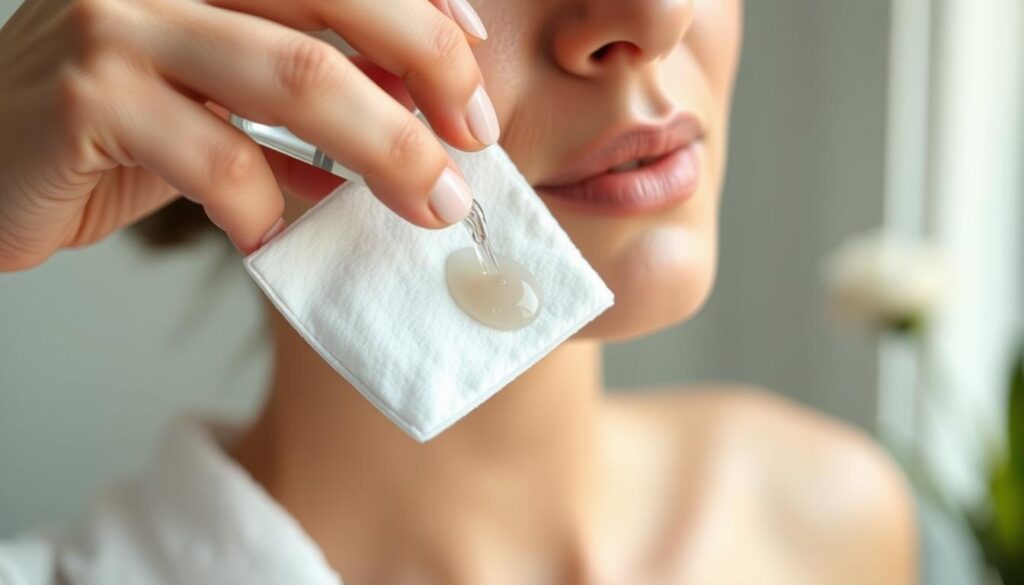
On the other hand, applying glycolic toner in the evening can aid in Skin repair and renewal while you sleep. During the night, your Skin is more receptive to active ingredients, allowing the glycolic acid to penetrate deeper and work more effectively. This can lead to improved Skin texture and a reduction in fine lines and wrinkles over time.
Considerations for Both Approaches
Ultimately, the best time to apply glycolic toner depends on your individual Skin needs and preferences. If you have sensitive Skin, you may want to start with a nighttime application to minimize potential daytime sensitivity. Conversely, if you’re looking to brighten your complexion, a morning application might be more beneficial. It’s also worth considering a combination of both morning and evening use, depending on your Skin’s tolerance and response.
By understanding the benefits and considerations of different application times, you can make an informed decision that aligns with your skincare goals and enhances the overall effectiveness of your routine.
Essential Glycolic Toner Timing Tips for Maximum Effectiveness
Maximizing the effectiveness of glycolic toner requires understanding the importance of timing. The right timing can make all the difference in achieving radiant, youthful Skin.
Optimal Waiting Times Between Products
When incorporating glycolic toner into your skincare routine, it’s crucial to allow optimal waiting times between products. Generally, you should wait 30 seconds to 1 minute after cleansing before applying the toner. This allows your Skin to adjust to the next product. After toning, wait another minute or until your Skin feels dry before applying serums or moisturizers.
Frequency Recommendations by Skin Type
The frequency of using glycolic toner depends on your Skin type. For sensitive Skin, start with once or twice a week and gradually increase to every other day if your Skin tolerates it. For normal to oily Skin, you can typically use glycolic toner 2-3 times a week. However, if you have resistant Skin, you might be able to use it daily, but be cautious of over-exfoliation.
Seasonal Adjustments for Your Routine
Your Skin’s needs can change with the seasons, so it’s essential to adjust your glycolic toner usage accordingly. In the summer, when Skin can be oilier, you might be able to tolerate more frequent use. In contrast, during the winter, when Skin tends to be drier, you may need to reduce the frequency to avoid irritation.
By following these glycolic toner timing tips, you can maximize its benefits and achieve the best results for your Skin.
Creating the Perfect Skincare Sequence
The key to maximizing the benefits of glycolic toner lies in incorporating it correctly into your skincare sequence. A well-structured routine ensures that glycolic toner works in harmony with other products to achieve optimal results.
Where Glycolic Toner Fits in Your AM Routine
In the morning, glycolic toner can help prepare your Skin for the day by removing any residual impurities and balancing your Skin’s pH. It should be applied after cleansing and before any serums or moisturizers. This allows the toner to effectively penetrate the Skin and enhance the absorption of subsequent products.
Incorporating Glycolic Toner in Your PM Regimen
In the evening, glycolic toner can be used to gently exfoliate and remove dirt and makeup residue. It is essential to follow the toner with a Serum or treatment product that addresses specific Skin concerns, such as acne or hyperpigmentation, and then seal with a moisturizer to lock in the benefits.
Layering Products Correctly
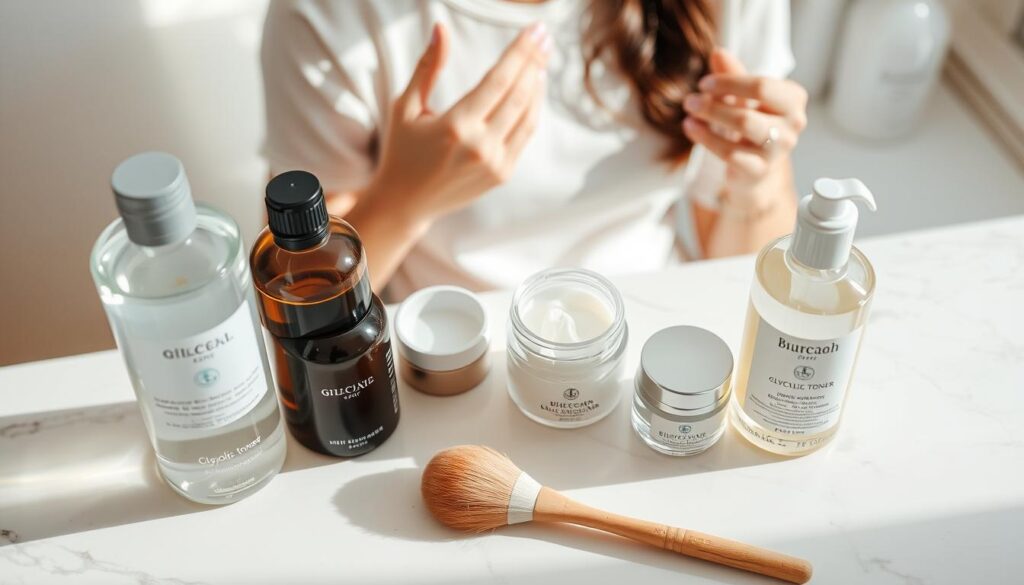
Layering products correctly is crucial for maximizing their effectiveness. The general rule is to apply products from thinnest to thickest consistency. Here’s a simple guide:
| Product | Consistency | Order |
|---|---|---|
| Cleanser | Thin | 1st |
| Glycolic Toner | Light | 2nd |
| Serum | Medium | 3rd |
| Moisturizer | Thick | 4th |
By following this sequence, you can ensure that your glycolic toner and other skincare products work effectively together.
Tailoring Glycolic Toner Use to Your Skin Type
To maximize the benefits of glycolic toner, it’s essential to consider your individual Skin type. Glycolic toner can be highly effective across various Skin types, but a tailored approach yields the best results.
Dry and Sensitive Skin Considerations
For dry and sensitive Skin, it’s crucial to start with a lower concentration of glycolic acid, typically around 5-7%. This helps minimize potential irritation. Begin with a patch test to ensure you don’t have any adverse reactions. Gradually increase the frequency of use based on your Skin’s tolerance. It’s also beneficial to follow up with a moisturizer to help soothe and hydrate the Skin.
Oily and Acne-Prone Skin Approaches
Oily and acne-prone Skin can benefit from a higher concentration of glycolic acid, usually between 8-10%. This helps to deep clean pores and reduce acne. Using glycolic toner in the evening can be particularly effective, as it helps to remove dirt and oil accumulated throughout the day. However, be cautious not to over-exfoliate, as this can lead to increased oil production.
Combination and Mature Skin Strategies
For combination Skin, a balanced approach is key. You can use a glycolic toner with a moderate concentration (around 7-8%) and apply it in the evening. For mature Skin, glycolic toner can help reduce the appearance of fine lines and wrinkles. Start with a lower concentration and focus on hydrating products post-toner to combat dryness. Consistency is key to seeing improvements in Skin texture and appearance.
By tailoring your glycolic toner use to your specific Skin type, you can enjoy the benefits of exfoliated, radiant Skin while minimizing potential drawbacks.
Common Mistakes to Avoid When Using Glycolic Toners
To maximize the benefits of glycolic toners, it’s essential to steer clear of common pitfalls. Glycolic toners can be a powerful addition to your skincare routine, but their effectiveness depends on proper use.
One of the most significant advantages of glycolic toners is their ability to exfoliate and brighten the Skin. However, certain mistakes can undermine their benefits.
Overuse and Overexfoliation
Using glycolic toners too frequently can lead to overexfoliation, causing irritation, dryness, and even post-inflammatory hyperpigmentation (PIH). To avoid this, start with a lower concentration and gradually increase as your Skin becomes more tolerant.
Improper Product Combinations
Combining glycolic toners with other exfoliating products, such as alpha-hydroxy acid (AHA) or beta-hydroxy acid (BHA) products, can increase the risk of irritation. Be cautious when layering products, and consider consulting a dermatologist for personalized advice.
Neglecting Sun Protection
Glycolic toners can make your Skin more sensitive to the sun, increasing the risk of sun damage and Skin cancer. Always follow up with a broad-spectrum sunscreen with at least SPF 30 during the day, and reapply every two hours or immediately after swimming or sweating.
By being aware of these common mistakes, you can use glycolic toners safely and effectively, achieving the best results for your Skin. Here are some key takeaways:
- Start with a lower concentration and gradually increase frequency.
- Avoid combining glycolic toners with other exfoliating products.
- Use broad-spectrum sunscreen daily to protect your Skin.

Special Considerations for Different Skin Concerns
When it comes to addressing specific Skin concerns, glycolic toner can be a game-changer in your skincare routine. By understanding how to tailor its use to your particular Skin issues, you can maximize its benefits and achieve healthier, more radiant Skin.
Addressing Hyperpigmentation
For hyperpigmentation, it’s crucial to use glycolic toner consistently to help exfoliate the Skin and promote cell turnover. This can help reduce the appearance of dark spots and even out your Skin tone. Look for a glycolic toner with a concentration of around 7% to start, and gradually increase as your Skin becomes more tolerant.
Tackling Fine Lines and Wrinkles
To target fine lines and wrinkles, combine glycolic toner with other anti-aging products. The exfoliating properties of glycolic acid can help smooth out the Skin’s surface, making fine lines less noticeable. Additionally, its ability to stimulate collagen production can lead to plumper, more youthful-looking Skin over time.
Managing Acne and Breakouts
For acne-prone Skin, glycolic toner can be particularly beneficial. It helps to unclog pores by removing dead Skin cells and excess oil, reducing the occurrence of breakouts. However, be cautious not to over-exfoliate, as this can lead to irritation and potentially worsen acne. Start with a lower concentration and gradually increase frequency or strength as your Skin becomes more tolerant.
By tailoring your glycolic toner use to your specific Skin concerns, you can enjoy the benefits of improved Skin texture, reduced appearance of fine lines and hyperpigmentation, and better management of acne.
Top Glycolic Toners and How to Choose the Right One
Glycolic toners vary widely, making it crucial to know what to look for. With the numerous options available, selecting the right product can be daunting. Understanding the different types of glycolic toners and their benefits is key to making an informed decision.
Beginner-Friendly Options
For those new to glycolic toners, starting with a lower concentration (around 5-7%) is advisable. Products like The Ordinary Glycolic Acid 7% Toning Solution are popular among beginners due to their gentle yet effective formulation.
Professional-Strength Formulations
For those seeking more intense exfoliation, professional-strength glycolic toners with higher concentrations (up to 10% or more) are available. These products, such as Dermalogica Daily Microfoliant, offer deeper exfoliation and are often used by skincare professionals.
Budget vs. Luxury Comparisons
| Product | Concentration | Price |
|---|---|---|
| The Ordinary Glycolic Acid 7% Toning Solution | 7% | $9 |
| Dermalogica Daily Microfoliant | Not specified | $45 |
| Pixi Glow Tonic | 5% | $15 |
When choosing a glycolic toner, consider your Skin type, concerns, and budget. Whether you opt for a budget-friendly or luxury product, the key is finding a formulation that works for you.
Safety First: Potential Side Effects and Precautions
To maximize the benefits of glycolic toner while minimizing risks, it’s vital to understand its potential side effects. While generally considered safe, glycolic toner can cause adverse reactions in some individuals, particularly if not used correctly.
Recognizing Irritation vs. Purging
One of the challenges of using glycolic toner is distinguishing between irritation and purging. Irritation occurs when the Skin reacts negatively to a product, often resulting in redness, itching, or burning. On the other hand, purging is a temporary reaction where the Skin appears to worsen before it improves, often due to the increased cell turnover rate.
If you experience persistent discomfort or severe reactions, it’s crucial to adjust your usage or consult a professional.
When to Consult a Dermatologist
If you notice any of the following, it’s advisable to seek professional advice: severe redness, intense itching, or burning sensations that don’t subside. A dermatologist can provide personalized guidance on whether to continue using glycolic toner and how to mitigate any adverse effects.
Consulting a dermatologist is particularly important if you’re new to glycolic toners or have sensitive Skin. They can help you determine the best concentration and usage frequency for your Skin type.
Pregnancy and Medical Considerations
Pregnant or breastfeeding women should exercise caution when using glycolic toners. While generally considered safe, it’s always best to consult with a healthcare provider before introducing new skincare products, especially those containing active ingredients like glycolic acid.
Additionally, individuals with certain medical conditions or those taking specific medications should also consult their healthcare provider to ensure glycolic toner is safe for their use.
Conclusion: Achieving Your Skin Goals with Proper Glycolic Toner Timing
Proper glycolic toner timing is crucial in achieving your Skin goals. By understanding how to effectively incorporate glycolic toner into your skincare routine, you can maximize its benefits and enjoy healthier, more radiant Skin.
The key to successful glycolic toner use lies in timing. Whether you choose to apply it in the morning or evening, being consistent and patient is essential. By following the tips and guidelines outlined in this article, you can optimize your glycolic toner timing and enhance your skincare routine.
To achieve your Skin goals, it’s essential to be mindful of your glycolic toner timing and adjust it according to your Skin type and concerns. By doing so, you can unlock the full potential of glycolic toner and enjoy a more youthful, glowing complexion. With the right glycolic toner timing, you can take your skincare routine to the next level and achieve the radiant, healthy-looking Skin you desire.
FAQ
What is glycolic toner and how does it work?
Glycolic toner is a skincare product that contains glycolic acid, an alpha-hydroxy acid that exfoliates the Skin, removing dead Skin cells and promoting cell turnover. It works by penetrating the Skin, stimulating collagen production, and revealing brighter, smoother Skin.
What are the benefits of using glycolic toner?
The benefits of using glycolic toner include improved Skin texture, reduced appearance of fine lines and wrinkles, and a brighter, more even-toned complexion. It can also help to unclog pores, reduce acne, and fade hyperpigmentation.
How often should I use glycolic toner?
The frequency of use depends on your Skin type and concerns. For most Skin types, using glycolic toner 1-3 times a week is recommended. However, if you have sensitive Skin, you may want to start with a lower frequency and gradually increase as your Skin becomes more tolerant.
Can I use glycolic toner in the morning and at night?
Yes, you can use glycolic toner at any time of day, but it’s generally recommended to use it at night, as it can make your Skin more sensitive to the sun. If you do use it in the morning, be sure to follow up with a broad-spectrum sunscreen with at least SPF 30.
How do I choose the right glycolic toner for my Skin type?
When choosing a glycolic toner, consider your Skin type and concerns. Look for a product that contains a concentration of glycolic acid suitable for your Skin type, and be aware of any additional ingredients that may be beneficial or irritating to your Skin.
Can I use glycolic toner if I have sensitive Skin?
Yes, but with caution. If you have sensitive Skin, start with a lower concentration of glycolic acid and gradually increase as your Skin becomes more tolerant. You may also want to consider a product that is labeled as “gentle” or “sensitive Skin-friendly.”
What are the potential side effects of using glycolic toner?
Potential side effects of using glycolic toner include irritation, redness, and dryness. To minimize these risks, start with a lower concentration and gradually increase, and be sure to follow the product instructions and patch test before using it on your face.
Can I use glycolic toner during pregnancy or while breastfeeding?
It’s generally recommended to consult with a healthcare professional or dermatologist before using glycolic toner during pregnancy or while breastfeeding, as some ingredients may be contraindicated.